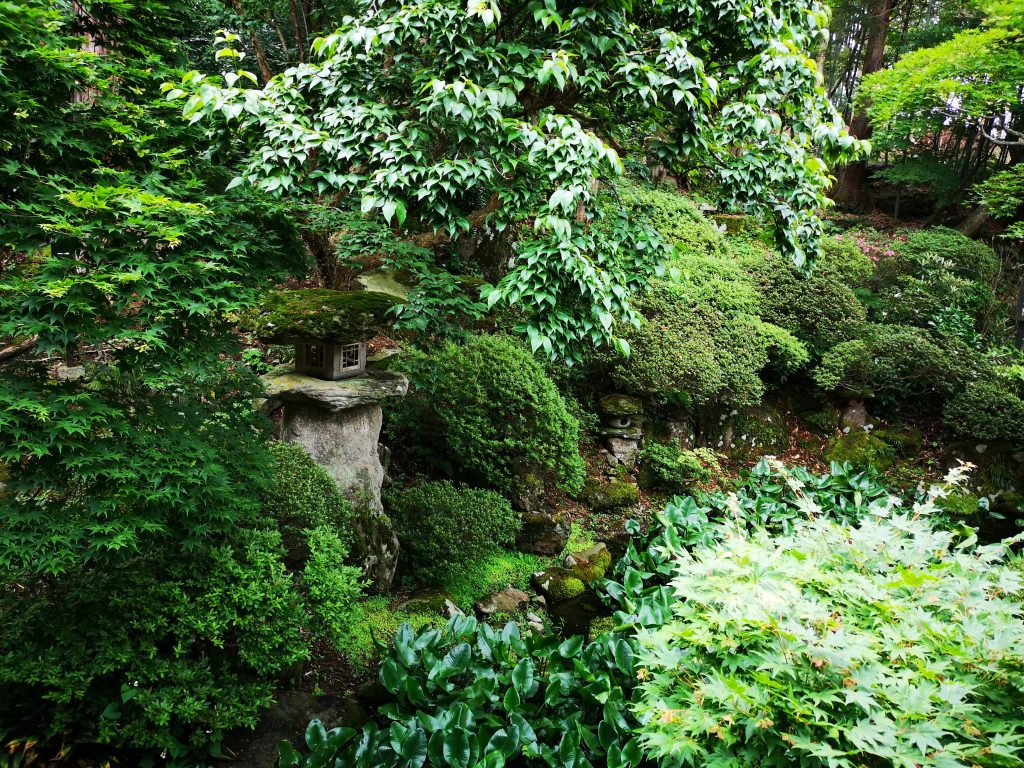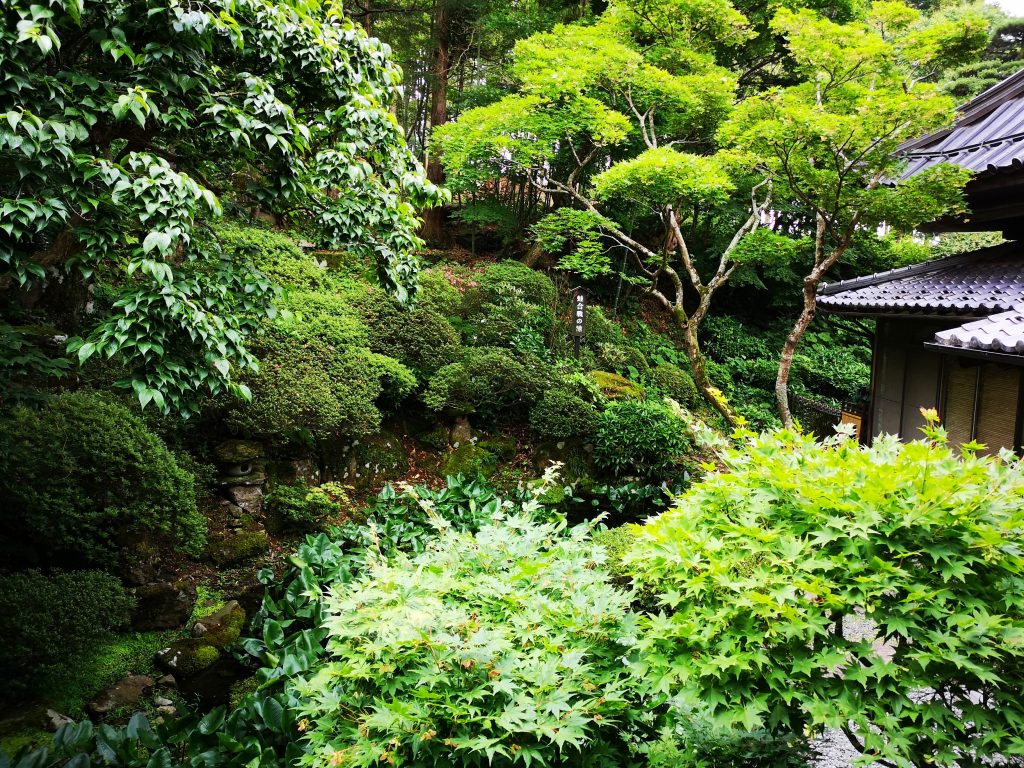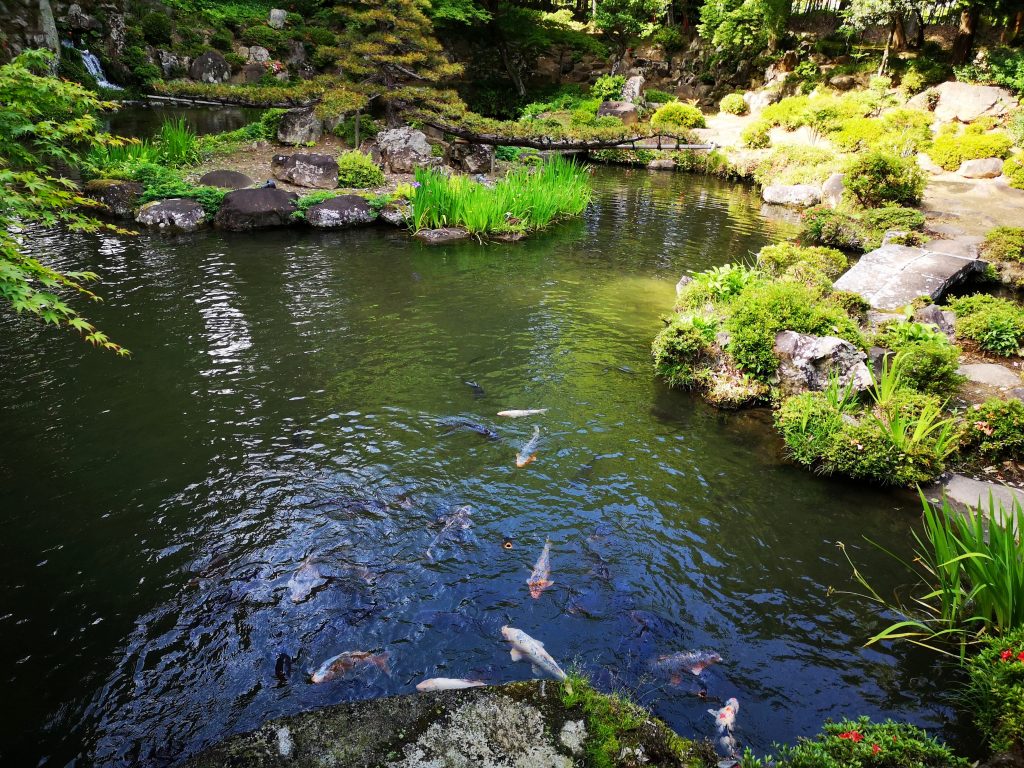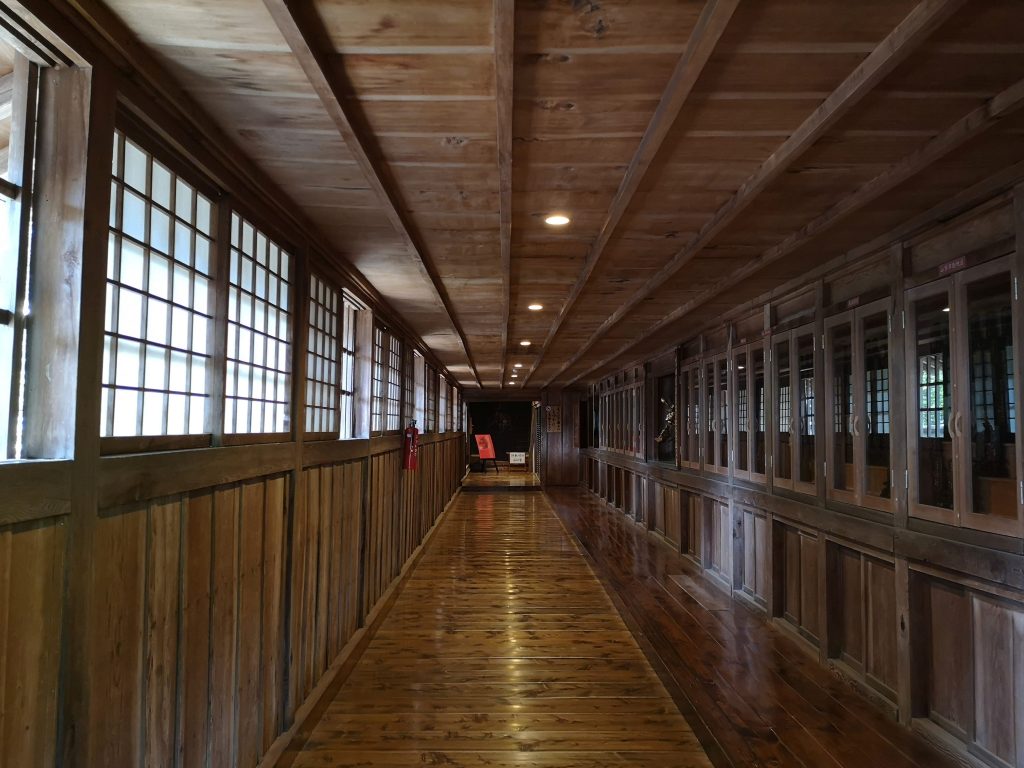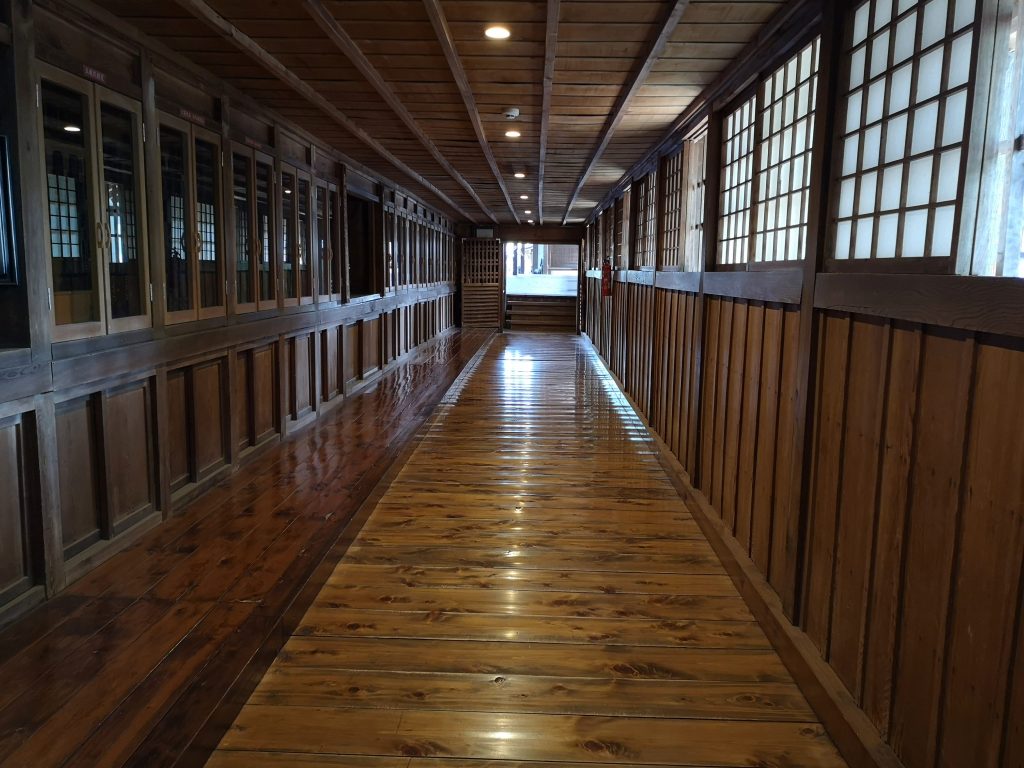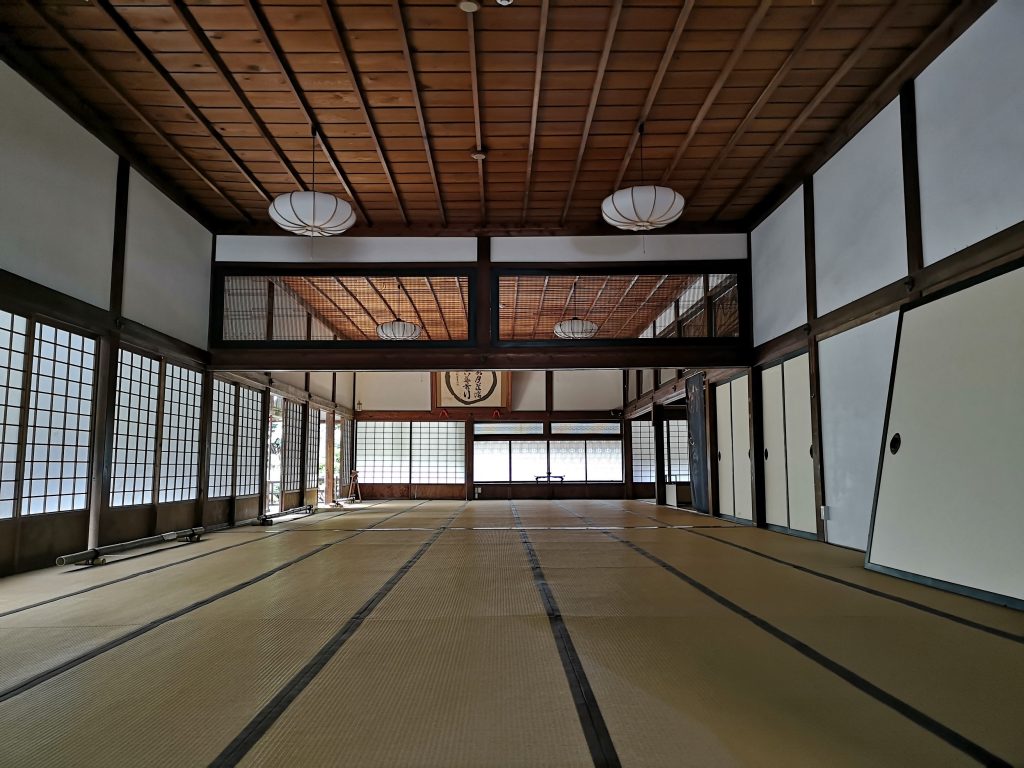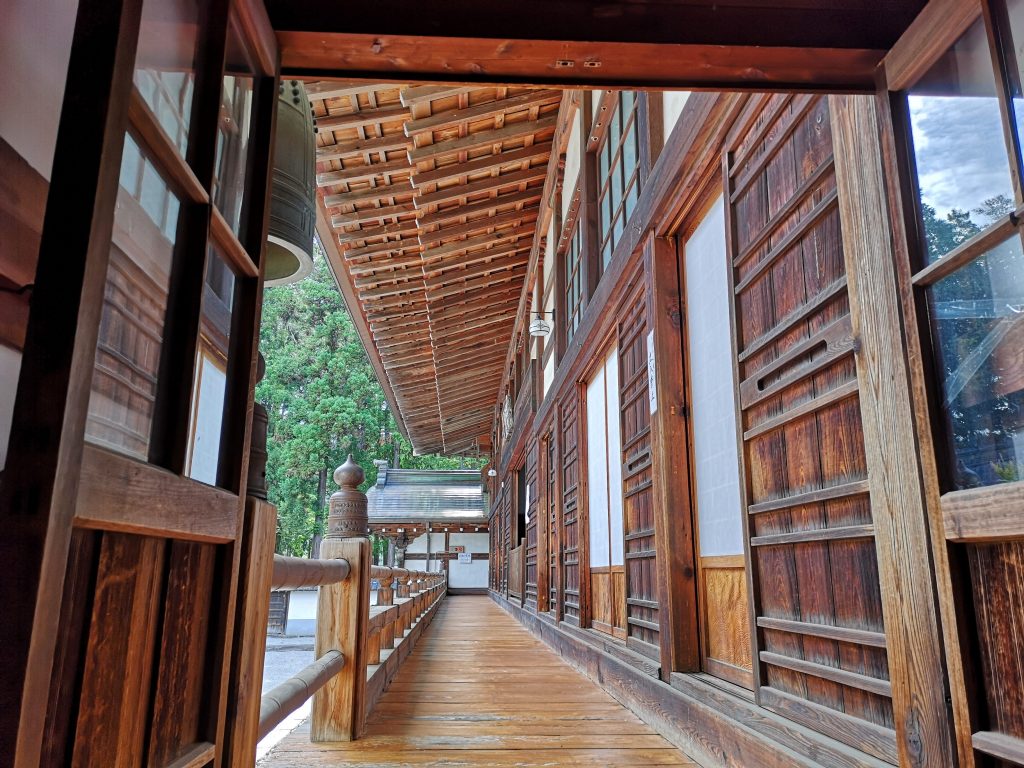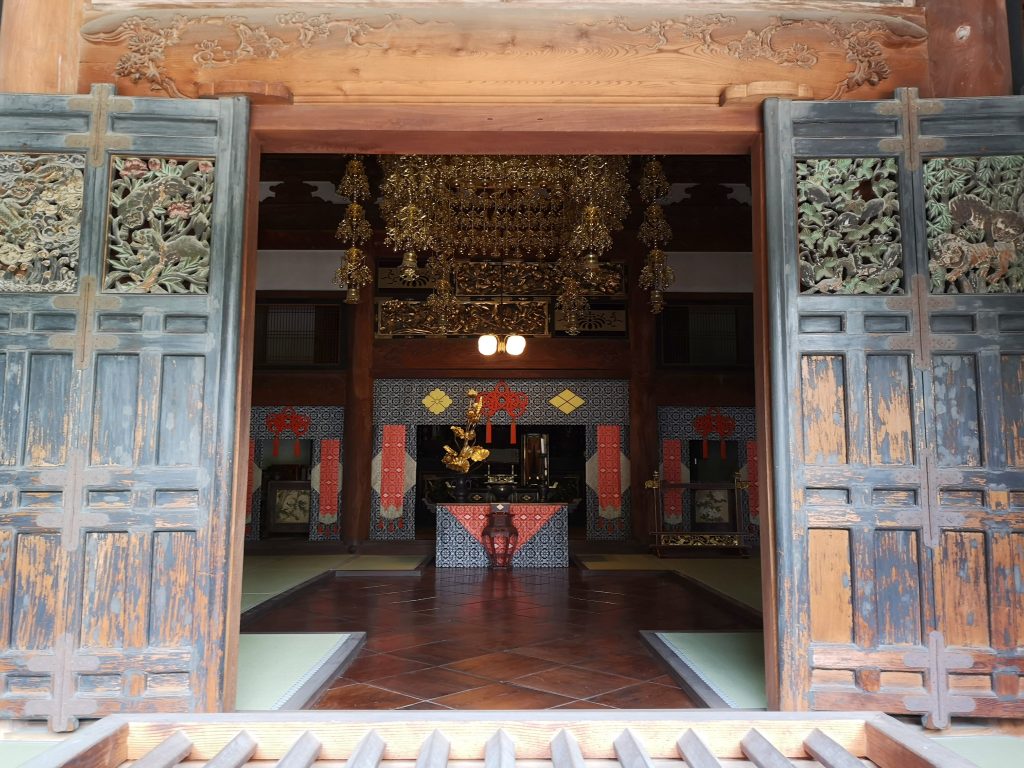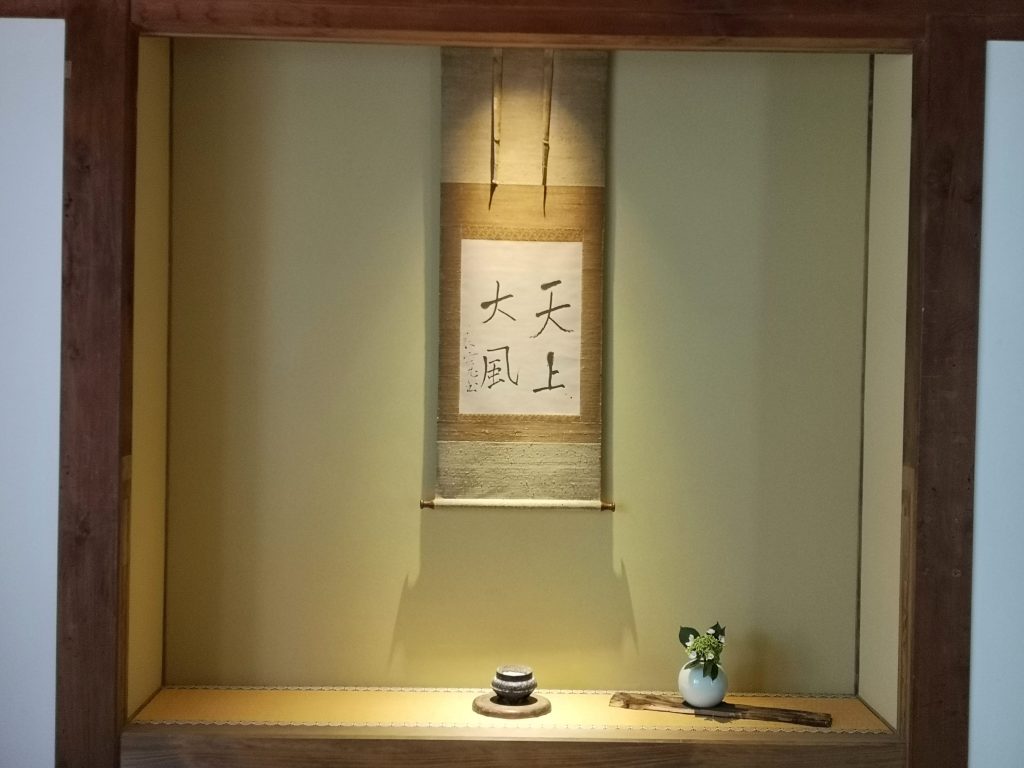
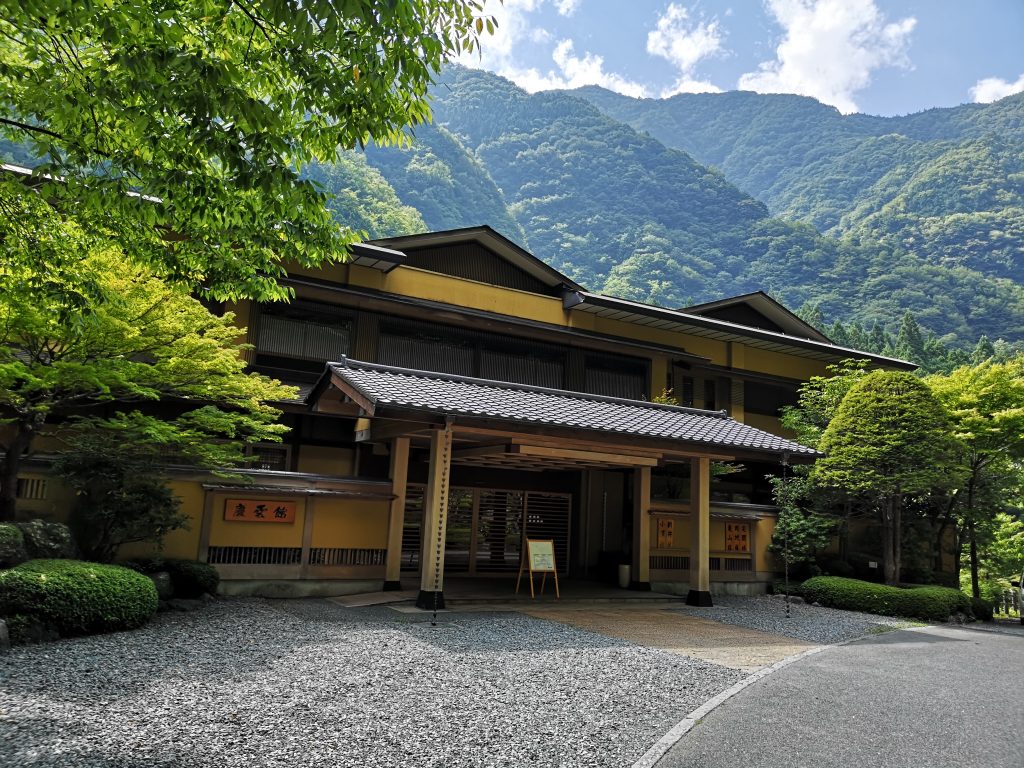
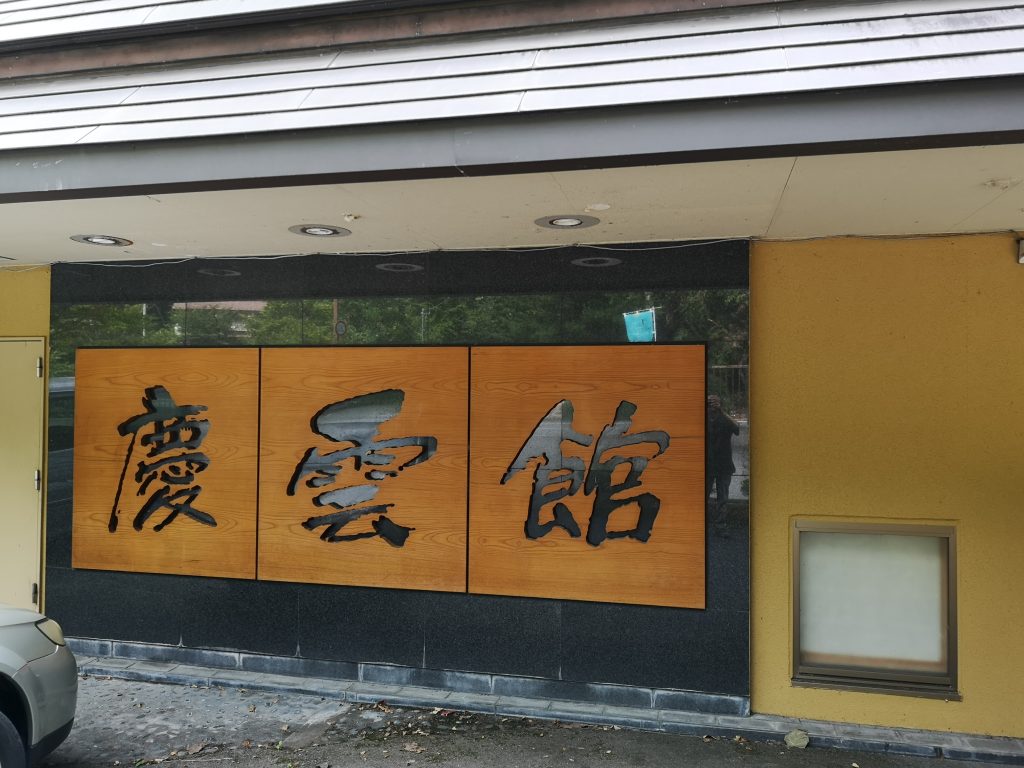
The Oldest Inn in the World Keiunkan

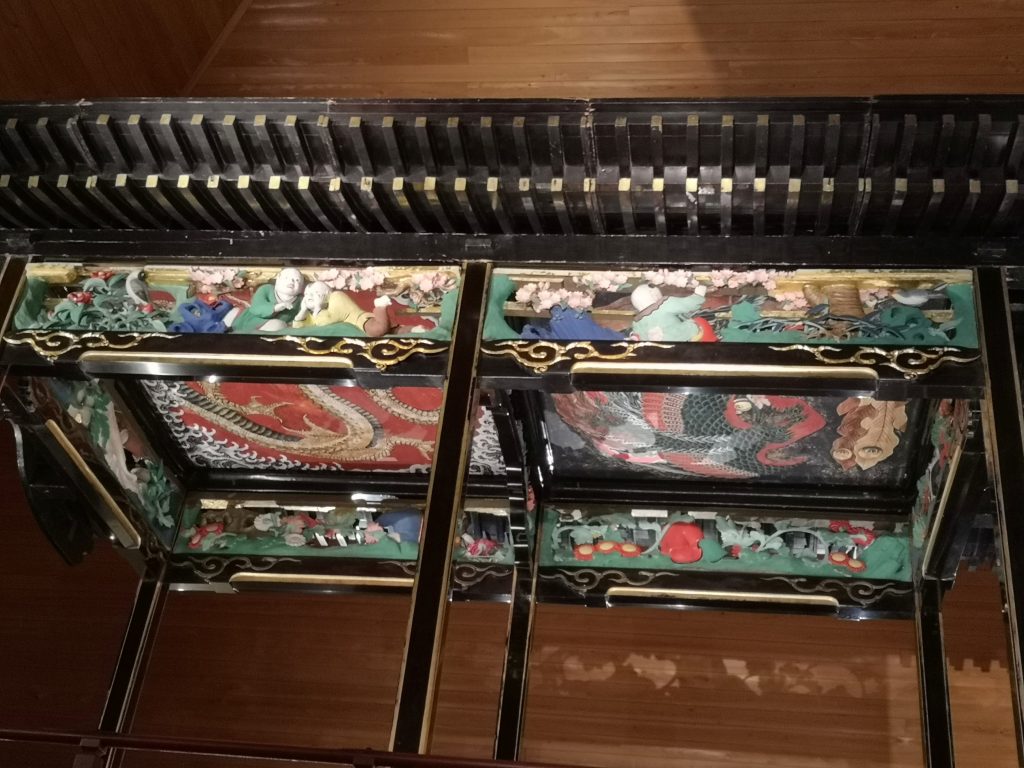
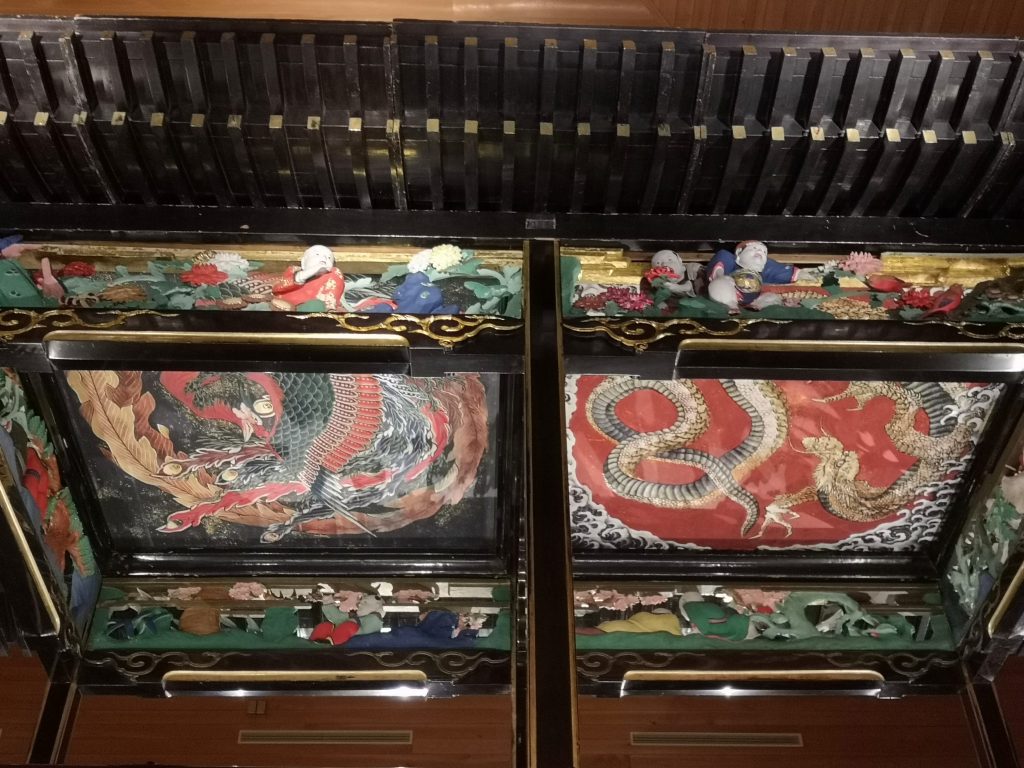
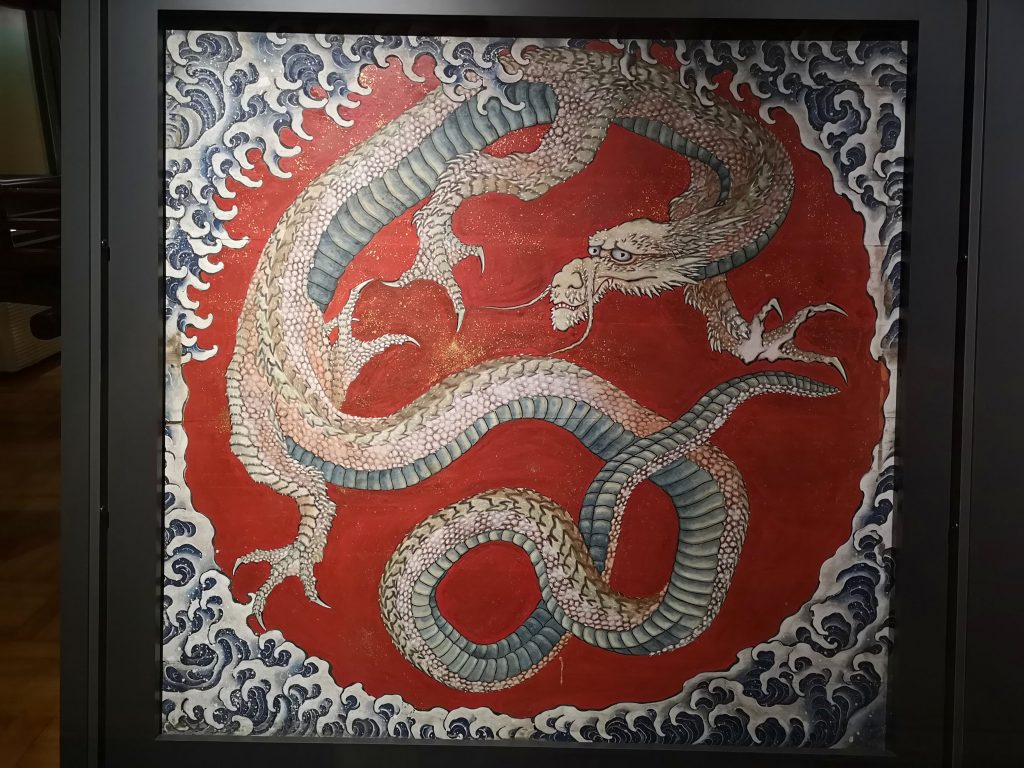
It is hard to believe that there is an inn which is certified as the world’s most historical inn in the Guinness Book of World Records in a faraway land from anywhere so remote. Keiunkan is the oldest inn (hotel) in the world founded in 705AD. (https://keiunkan.co.jp/en/; https://www.keiunkan.co.jp/overview/)
The town of Hayakawa in Yamanashi Prefecture has the smallest population of any township (cho or machi) in Japan. (https://hayakawakankou.jp/english/)

Once bustled with the Ko pilgrims for Nichiren Sect from all over Japan from the Edo period through the early Showa period, the Akasawa area of the town located in the middle of the pilgrimage route from Mount Minobu to Mount Shichimen, providing hostels has been forgotten and left quietly. Although the area is a designated Important Preservation Districts for Groups of Traditional Buildings, the winding narrow road and geological location have been avoiding visitors and the area is dying out. (https://www.town.hayakawa.yamanashi.jp/tour/spot/cultural/kenzoubutu.html)
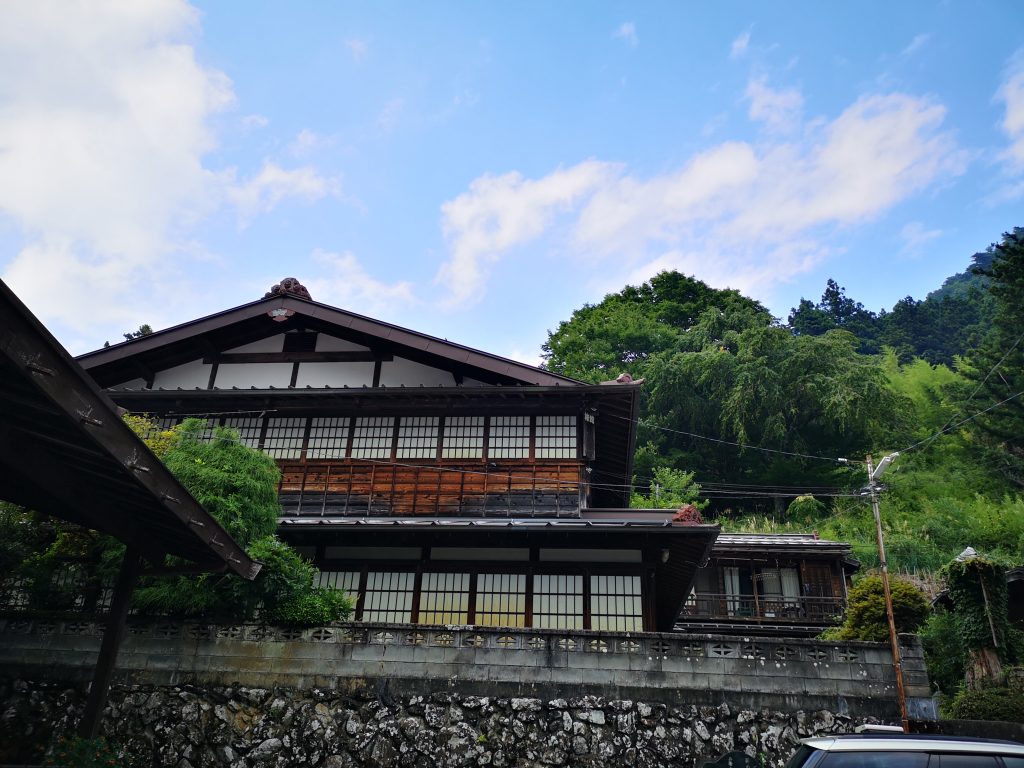
Akasawa-shuku Area, Hayakawa-cho, Yamanashi, 8/29/2021
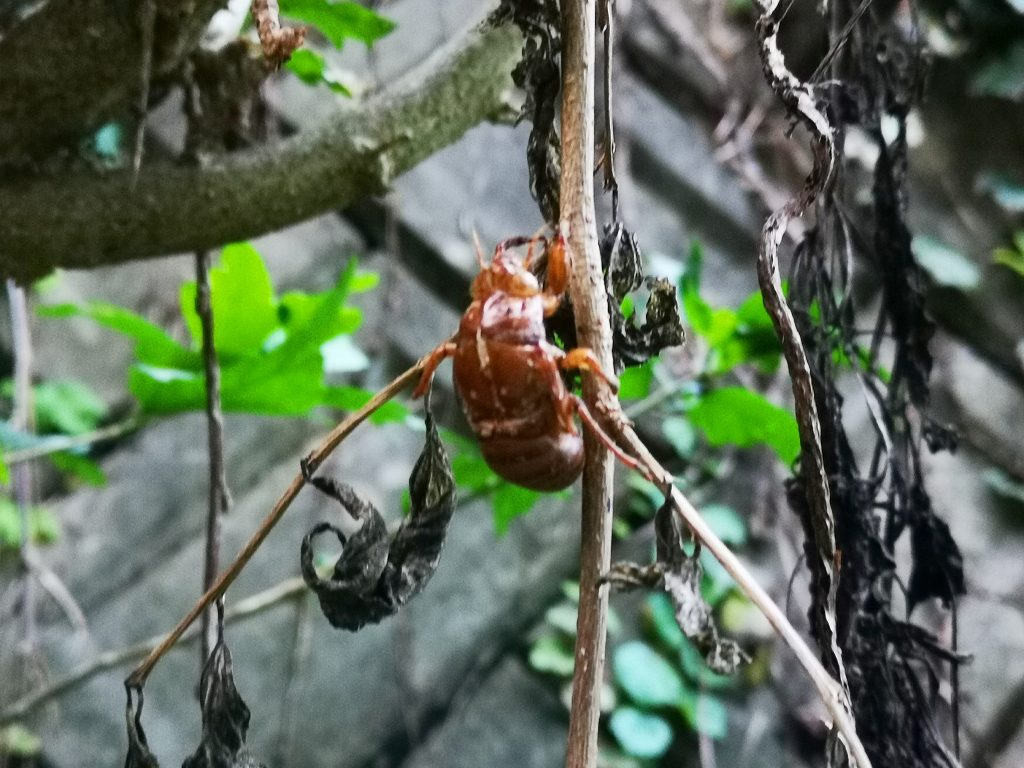
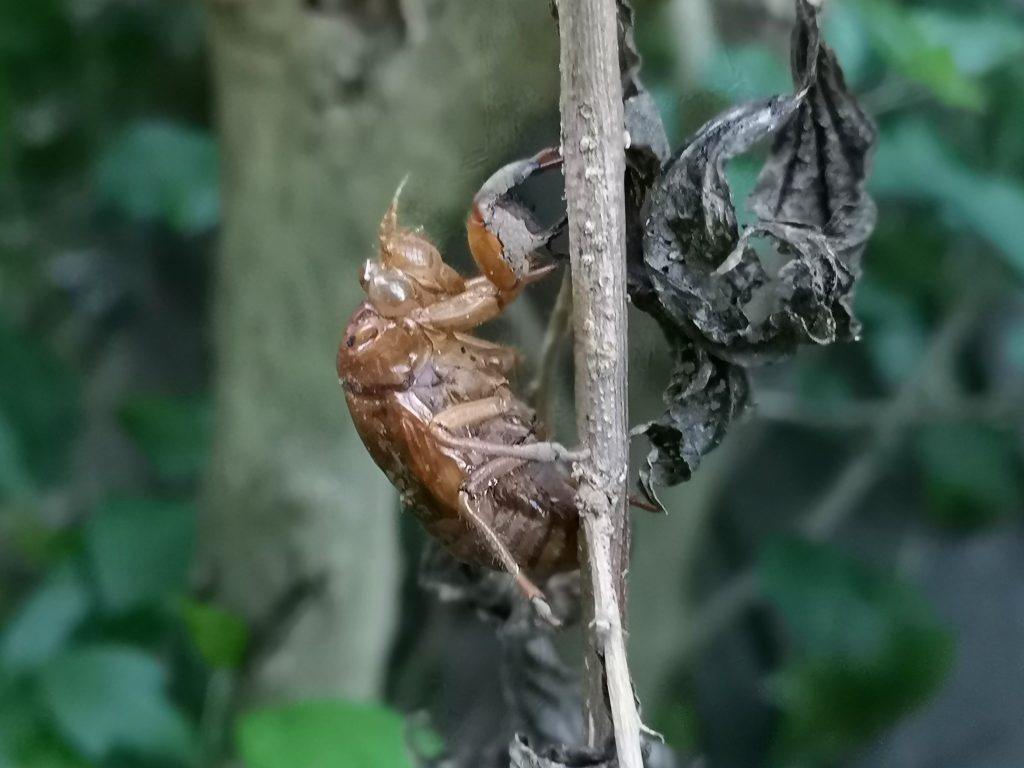
Autumn is Just Around the Corner

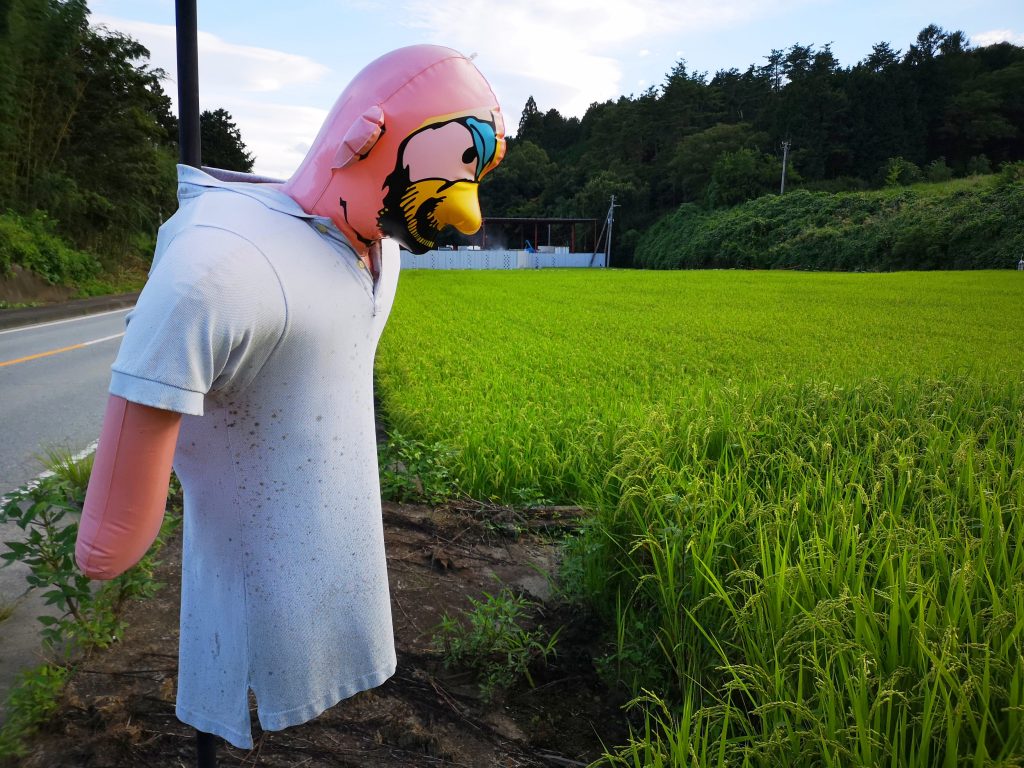
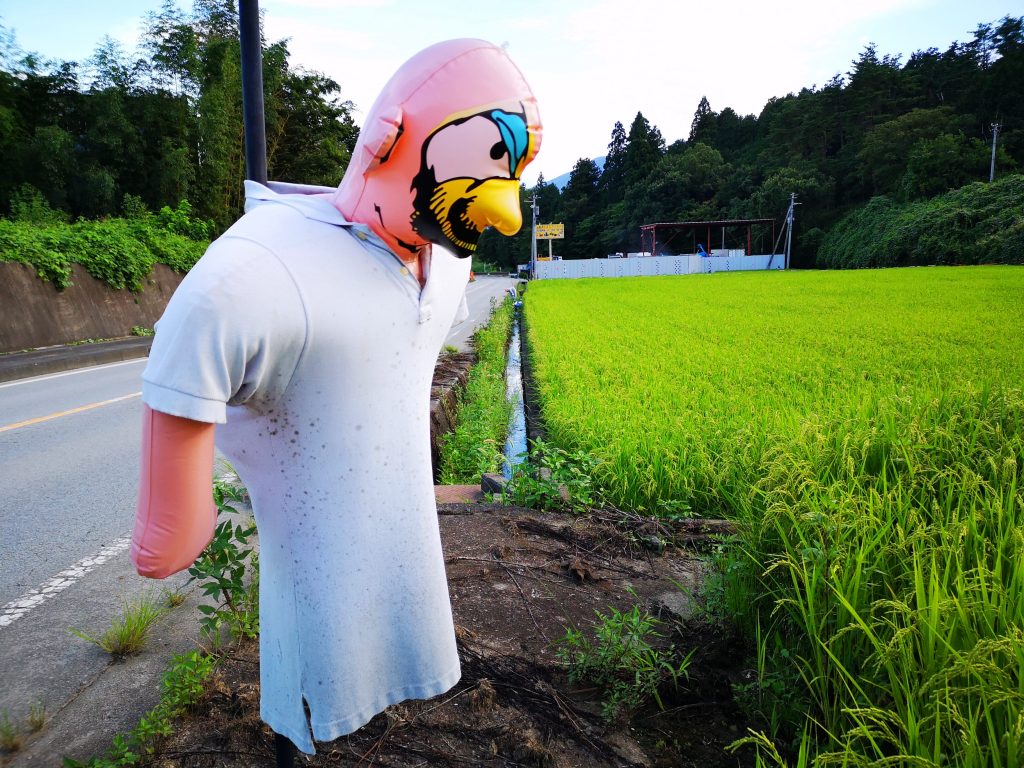
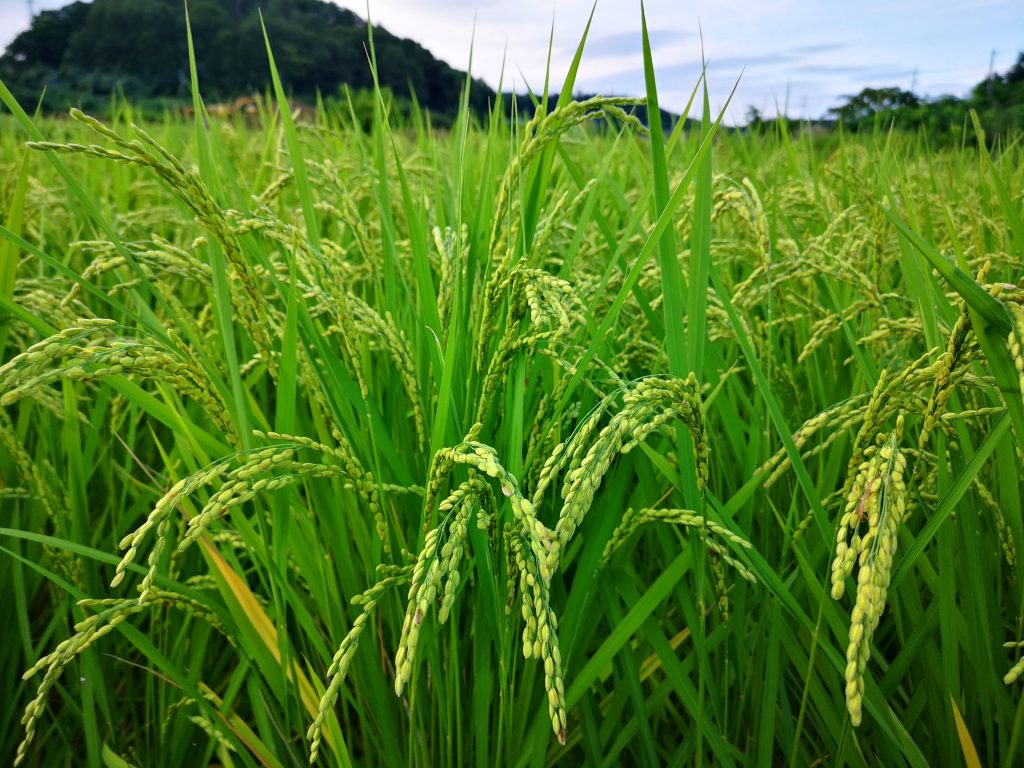
Cicadas are almost gone and dragonflies are here now. At night, crickets chirp. Rice is at the heading stage in the paddy fields. Autumn is just around the corner.

This area is known for its scarecrow festival in the summer in a normal year, but because of the COVID-19 pandemic, the festival was canceled for the last two years. (https://translation2.j-server.com/LUCNRSKC/ns/tl.cgi/https://www.nirasaki-kankou.jp/index.html?SLANG=ja&TLANG=en&XMODE=0&XJSID=0)

In Yamanashi, the Mukawa rice produced in the Mukawa and Nirasaki areas is well-known for its quality and taste. Originally it derived from the cultivar Norin 48, which is very rare nowadays, and the cultivar Koshihikari is usually produced. This region gets the longest daylight hours in Japan and the large temperature difference in the day. These growth conditions and clear mountain water are suitable for rice production and also fruit and vegetable production.

Summer is Here

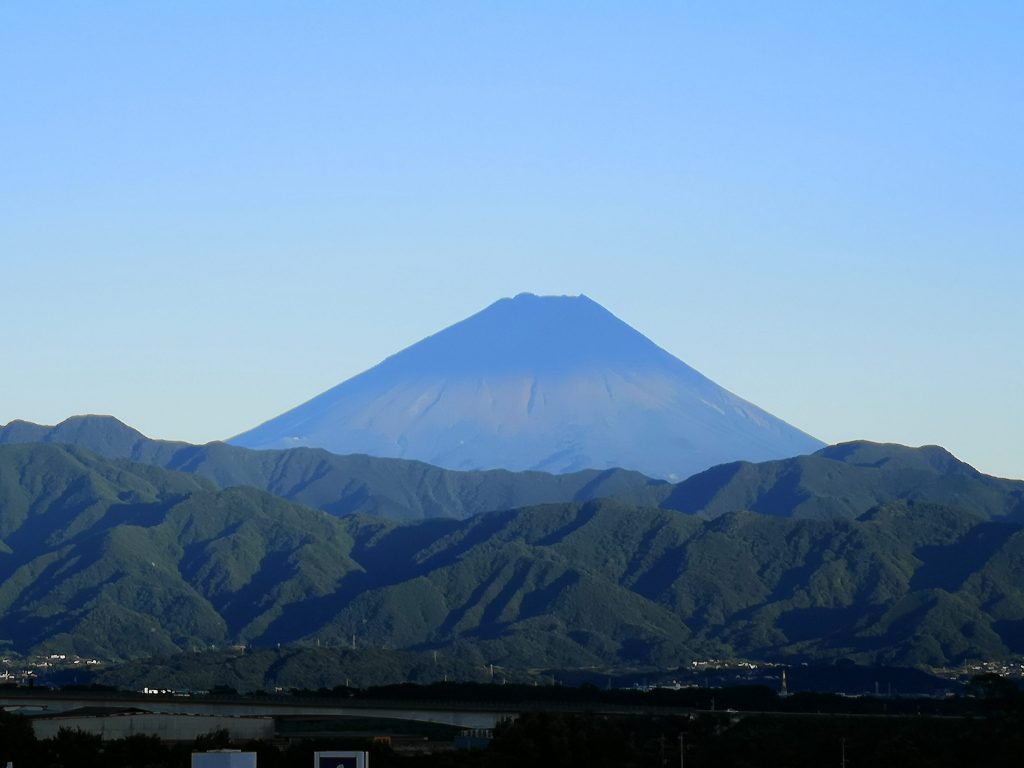
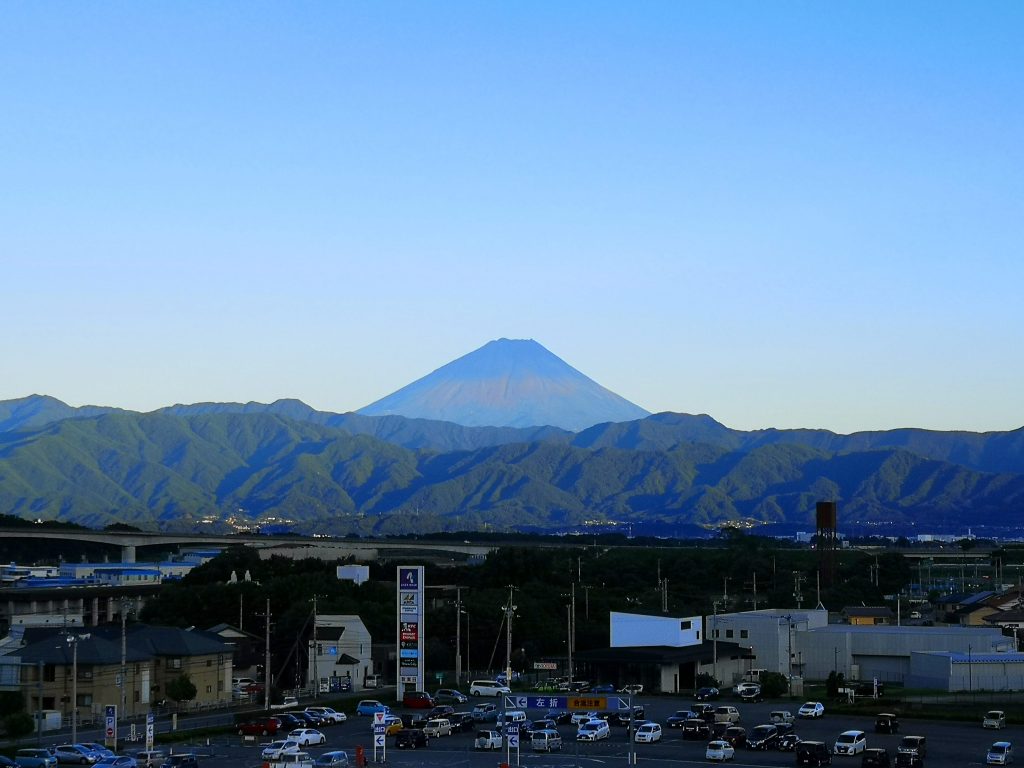
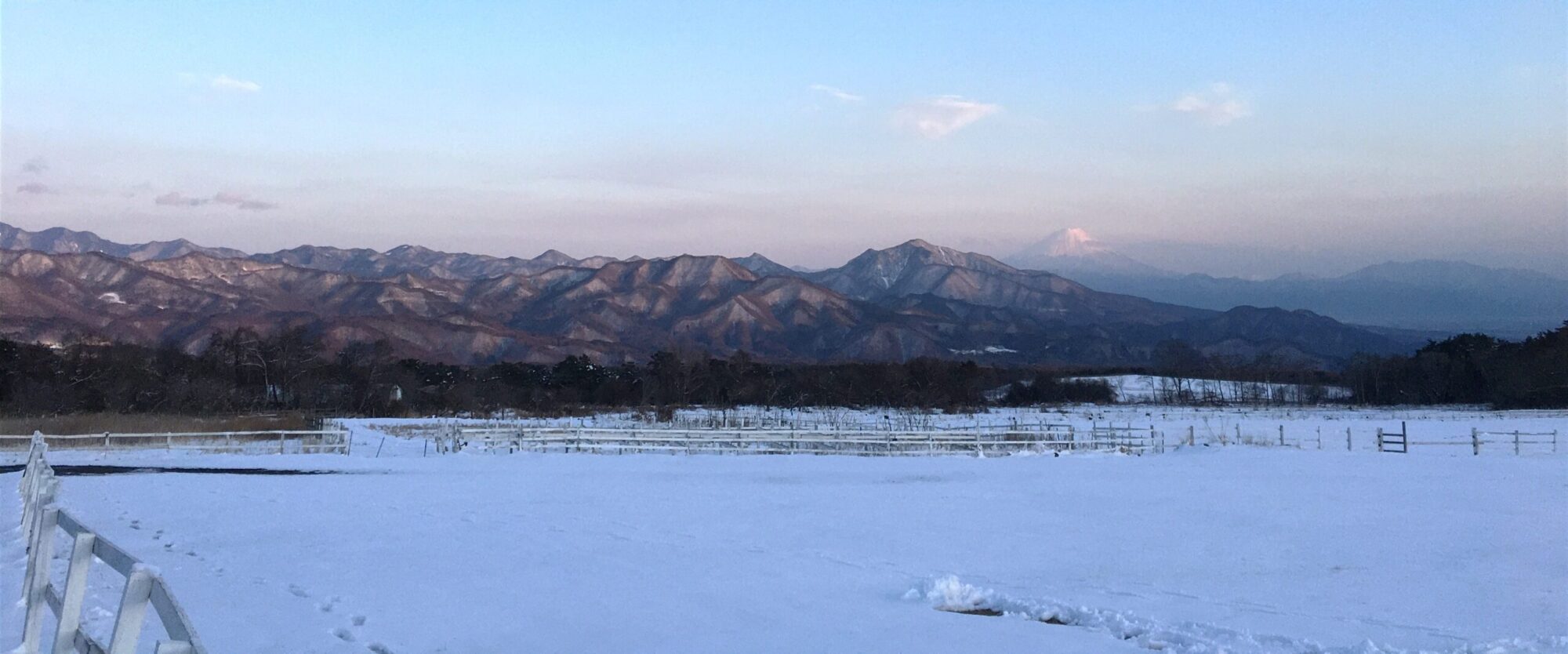
After Typhoon No. 9 is gone and because of its weather front, it was windy yet clear in the early evening. The mountains have been getting green including Mount Fuji.

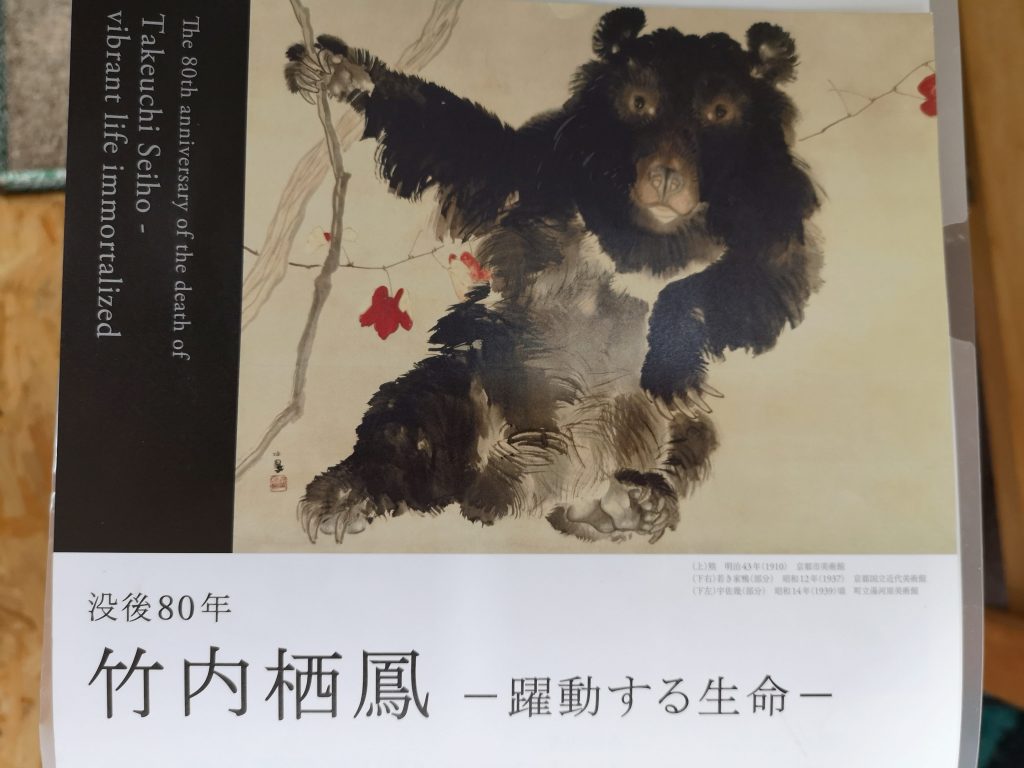
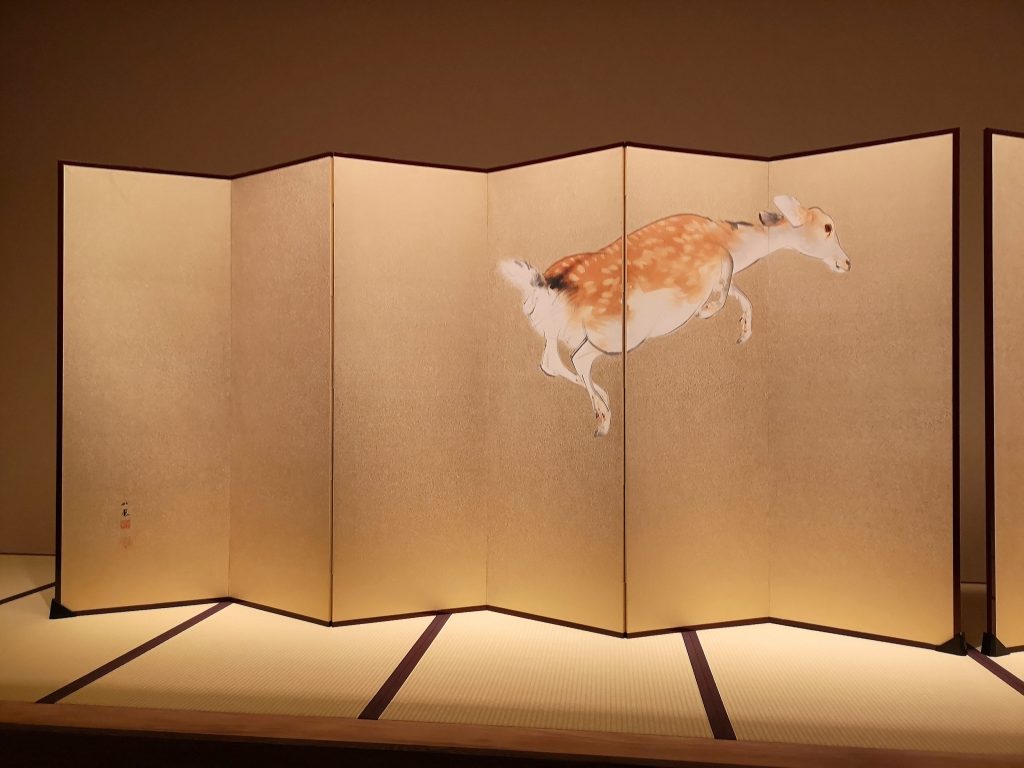
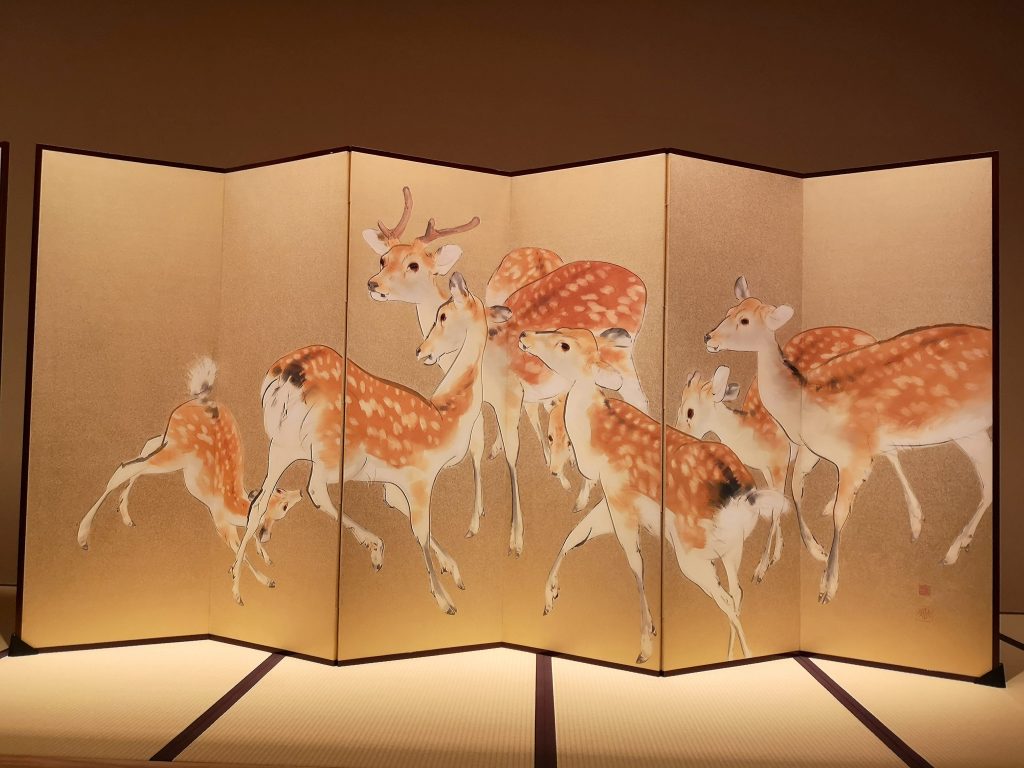
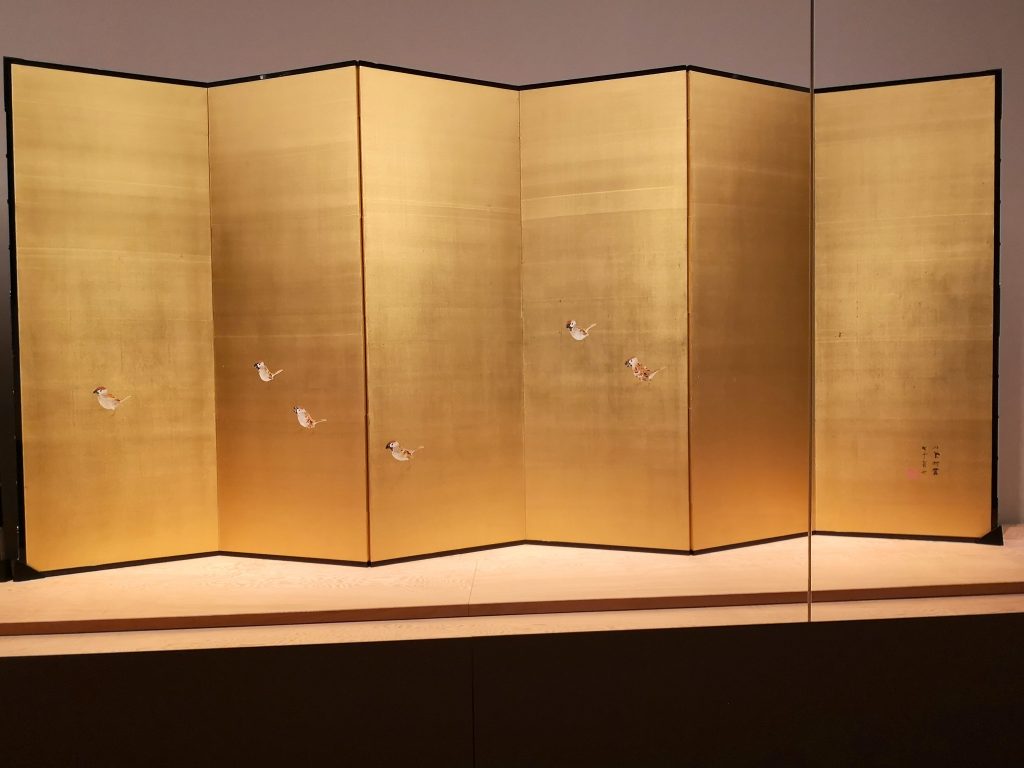
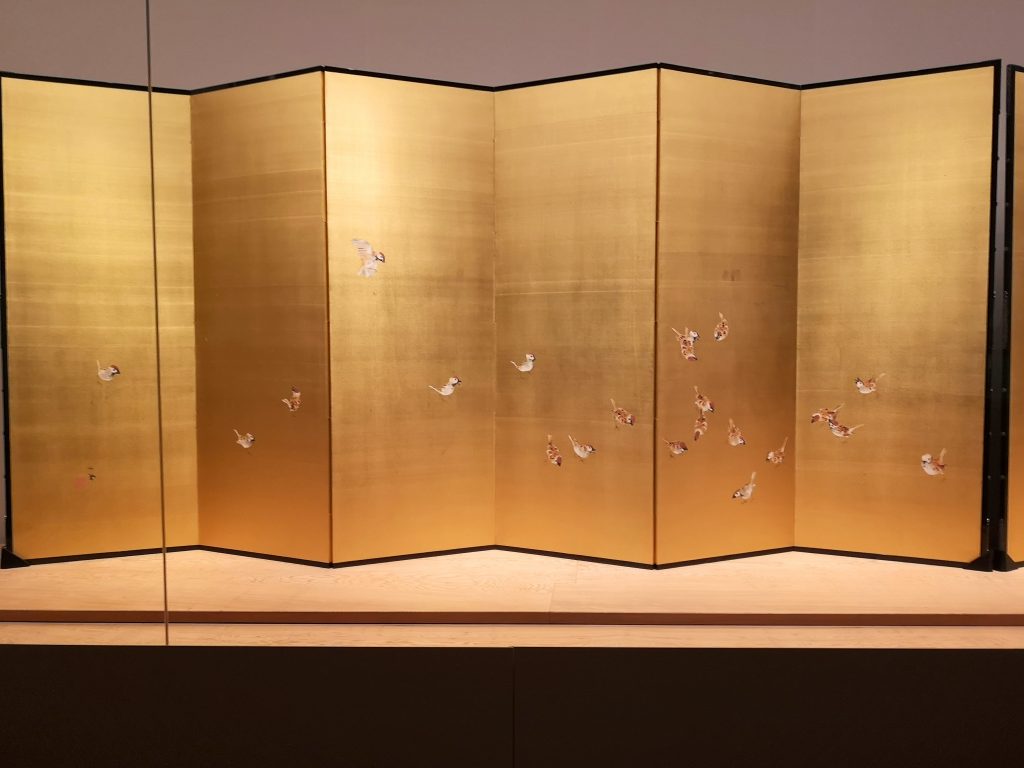
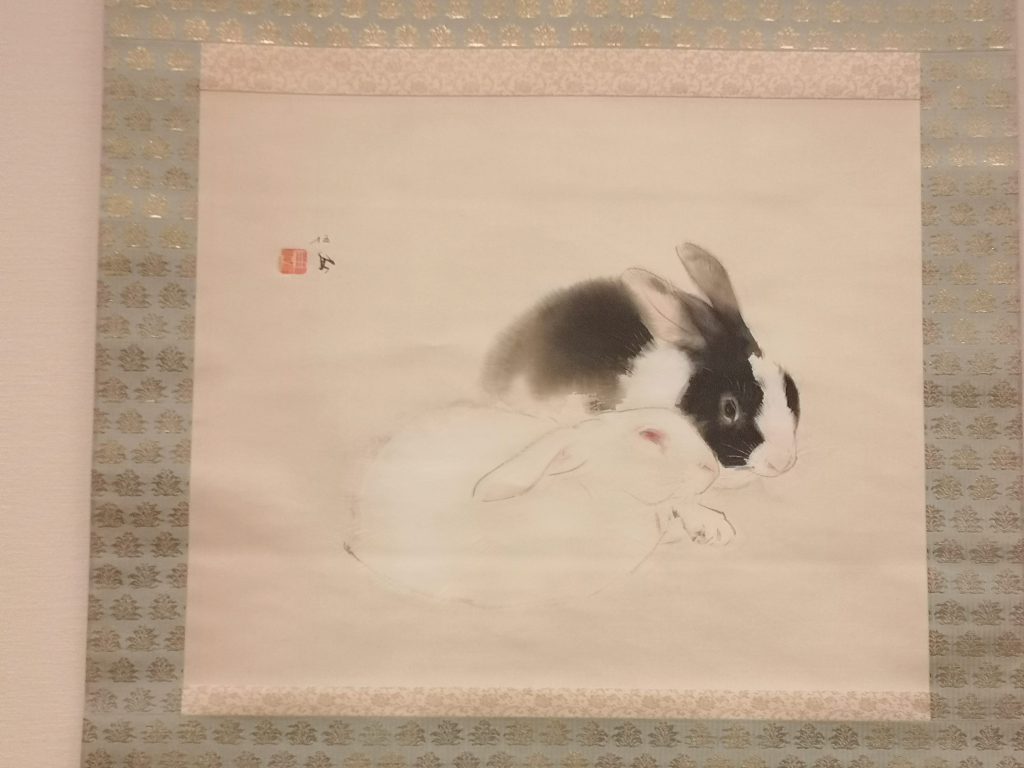
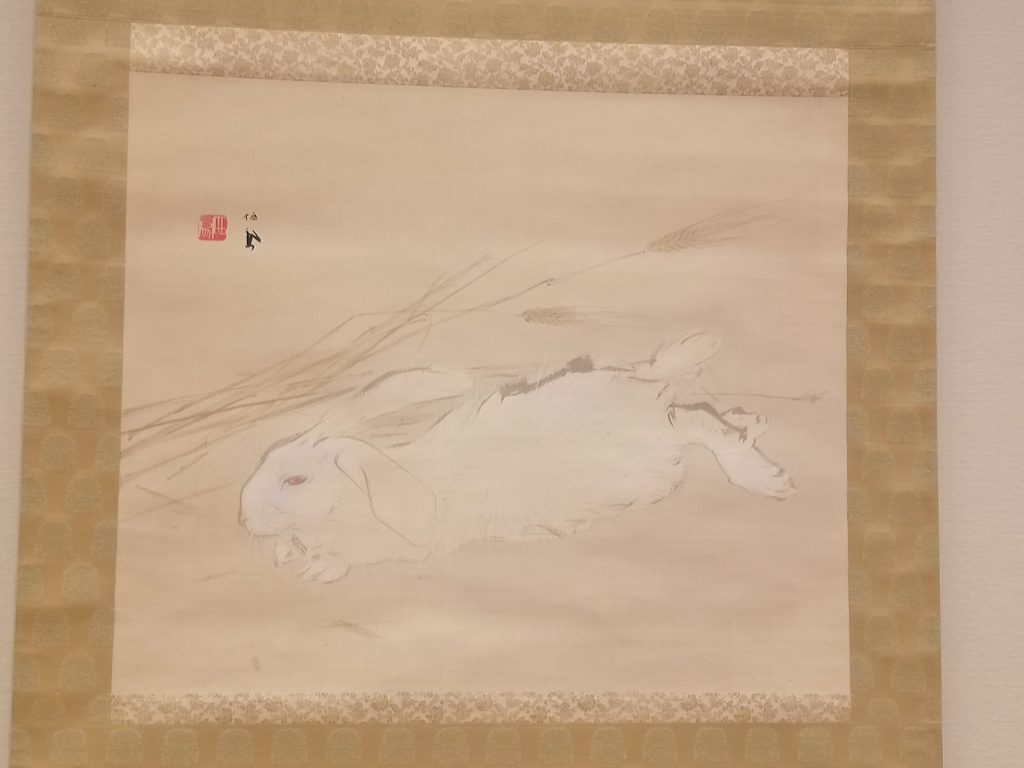
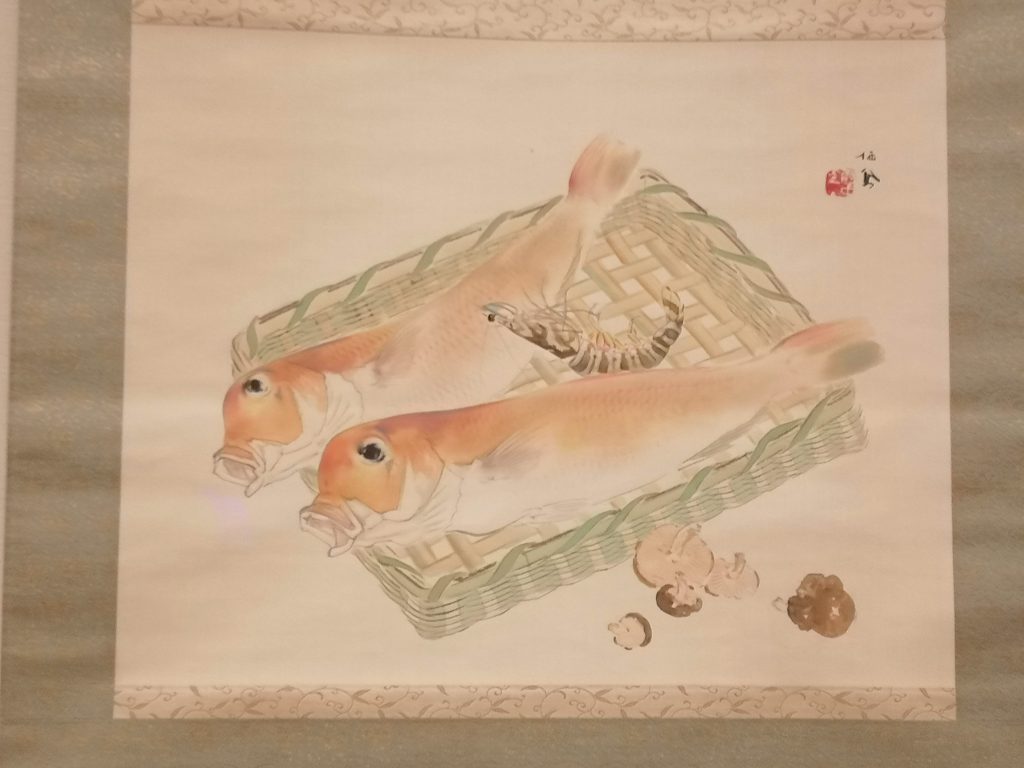
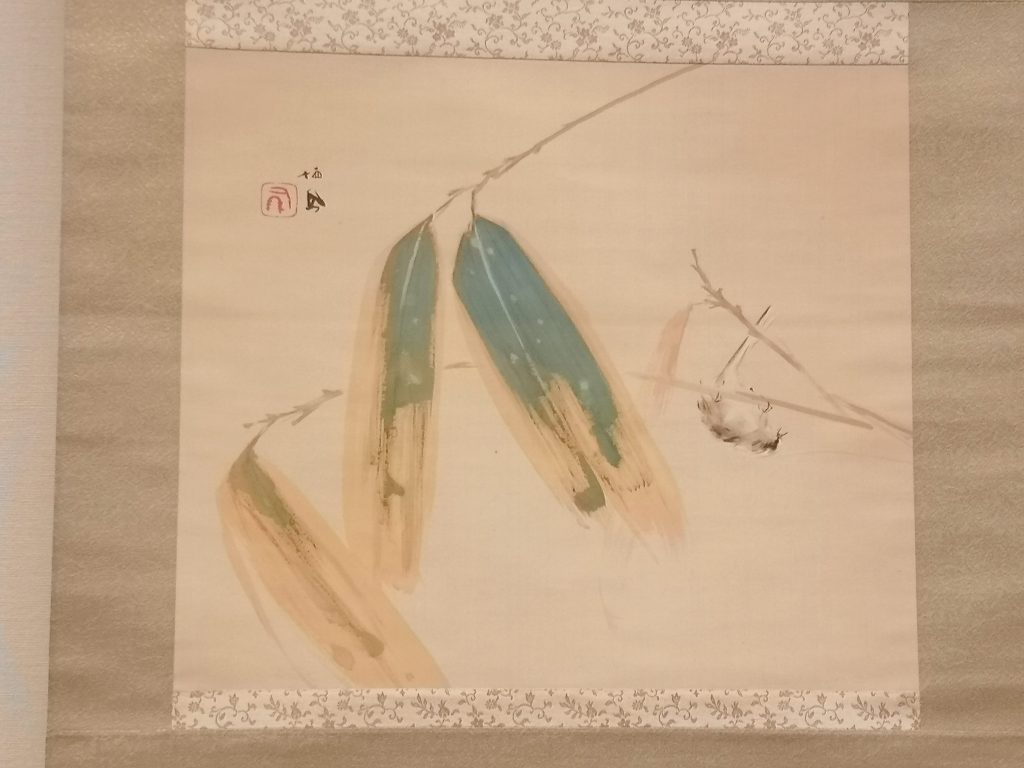
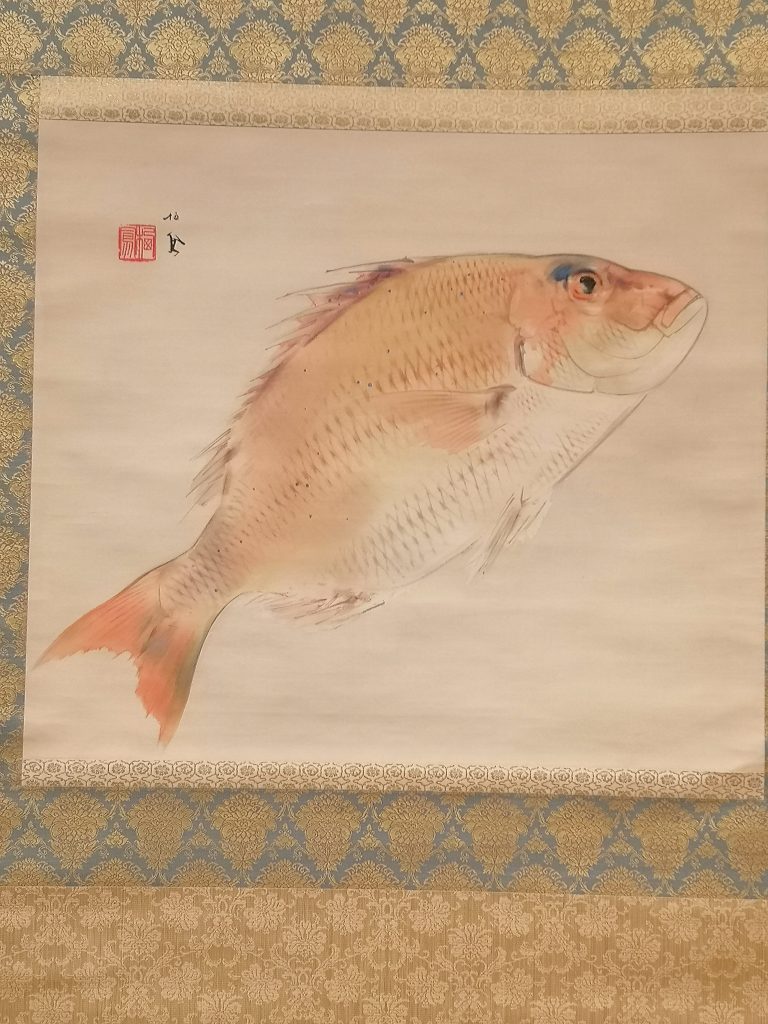
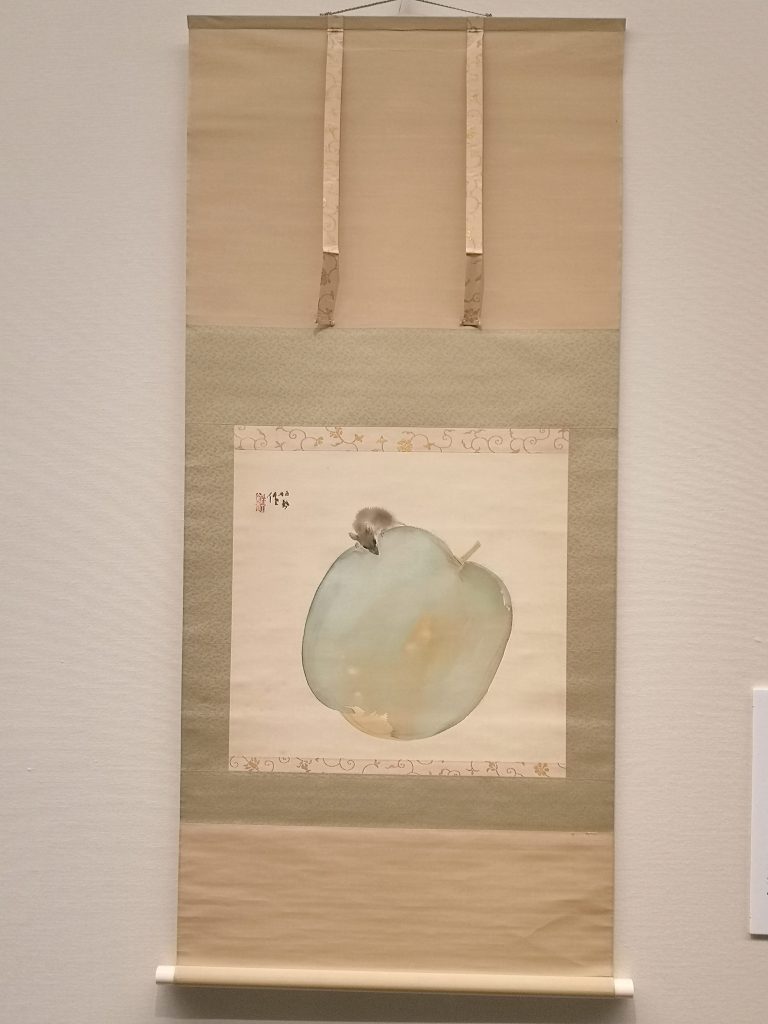
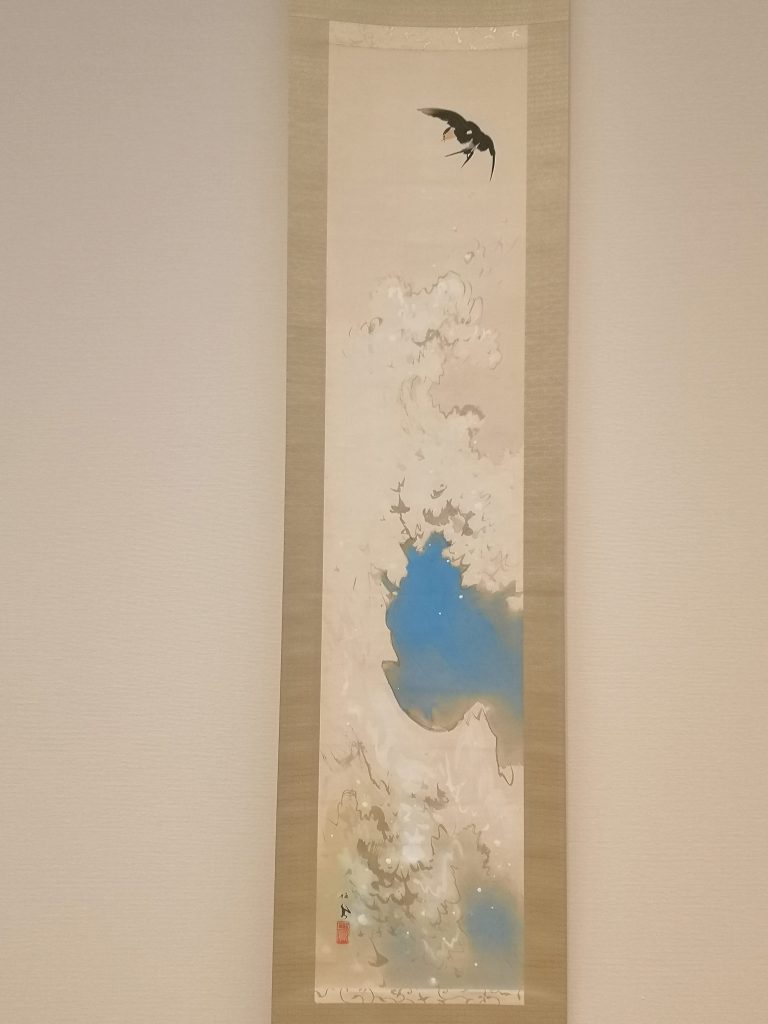
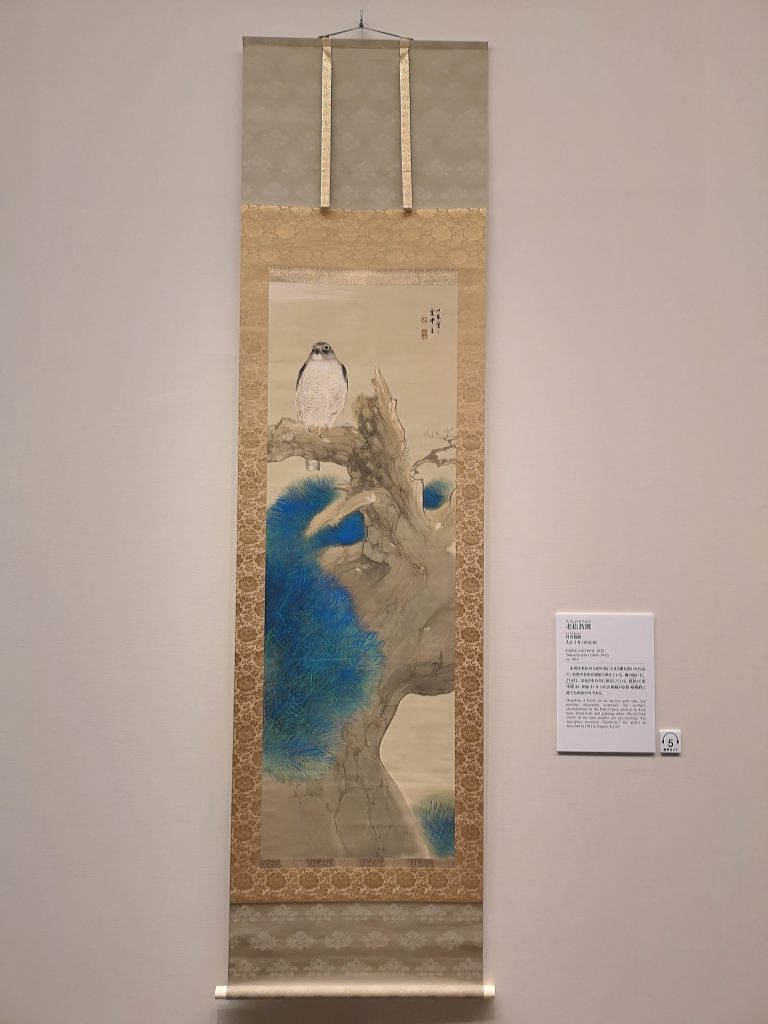
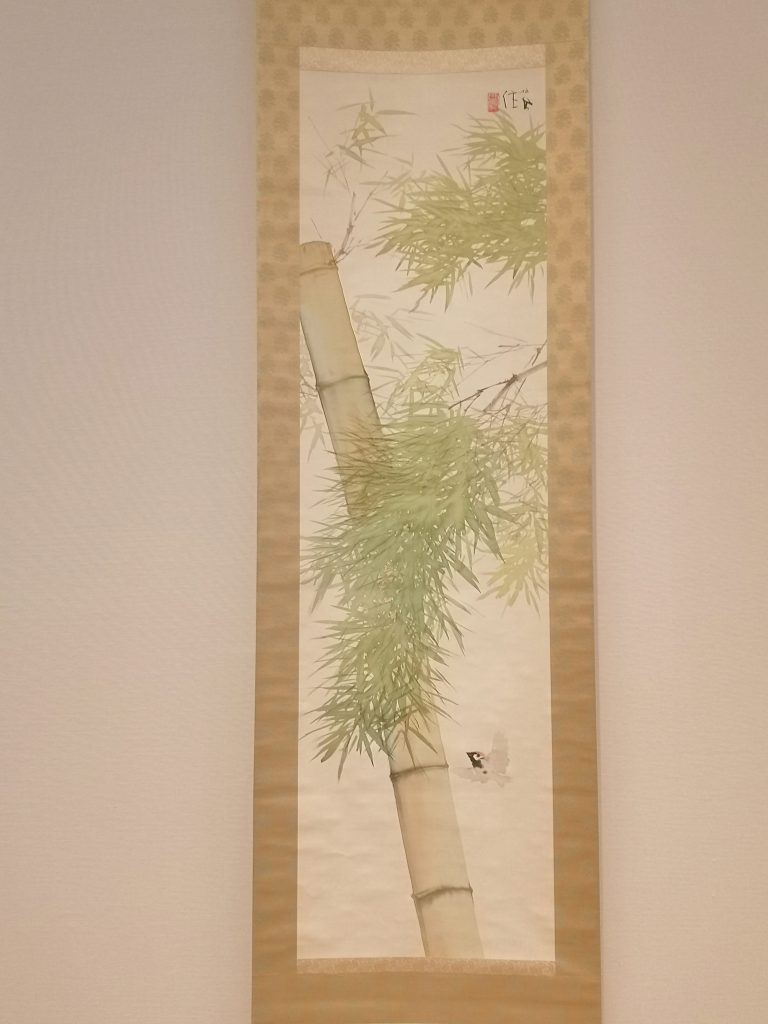
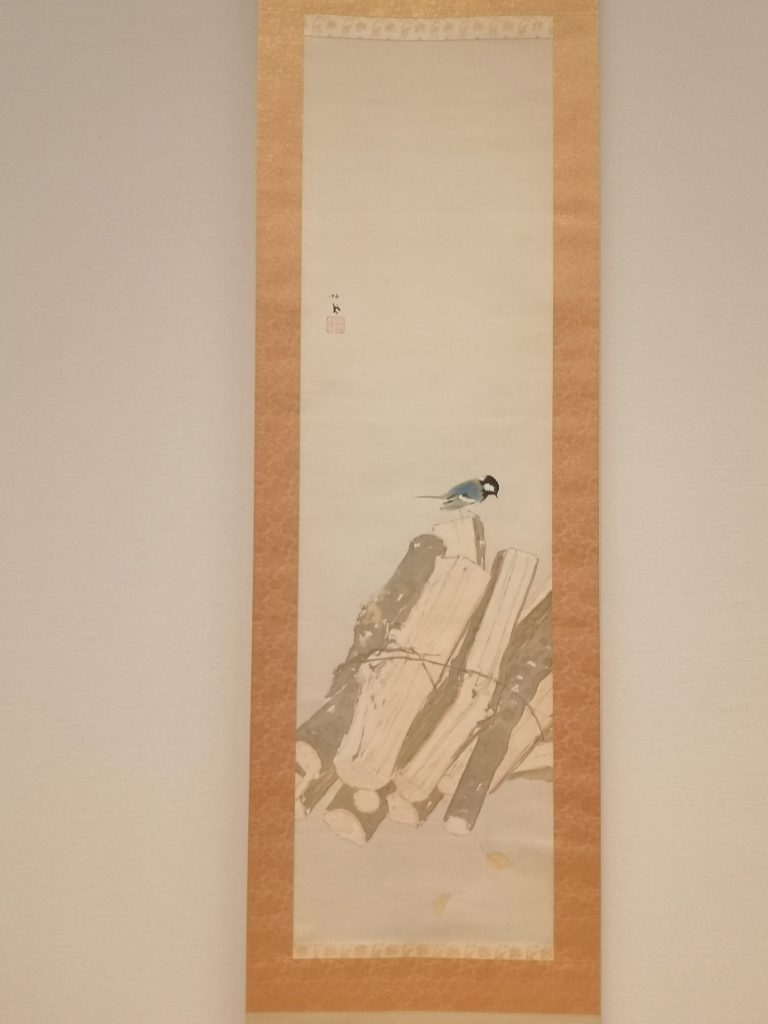
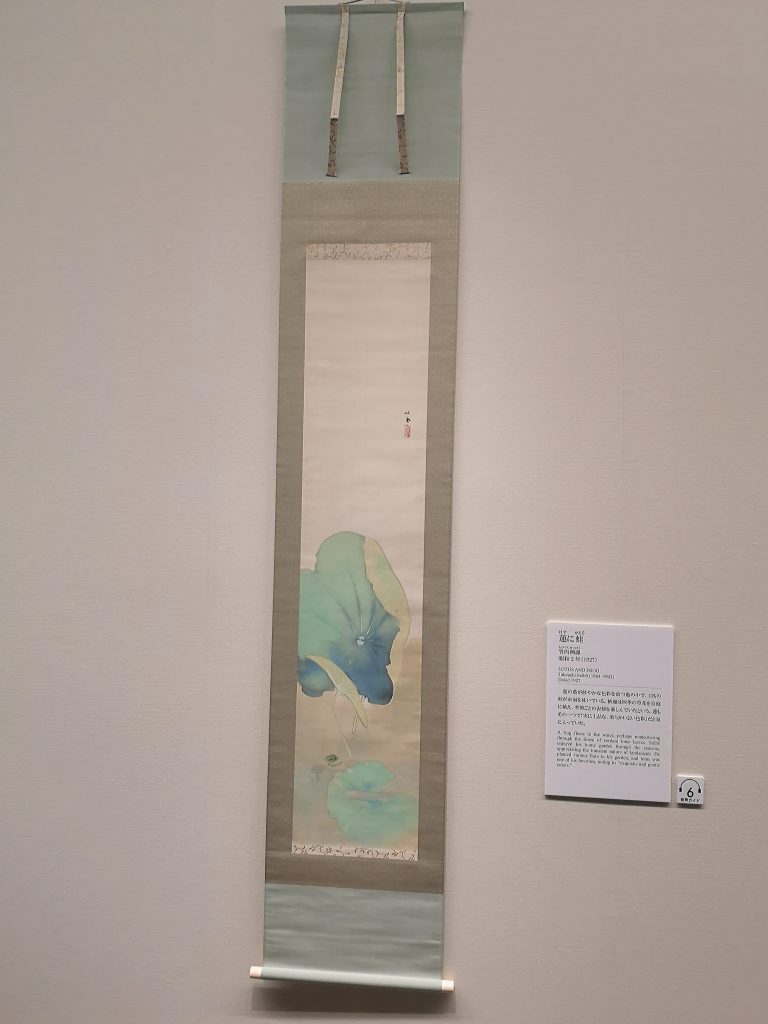
Vibrant Animals Depicted by Takeuchi Seiho

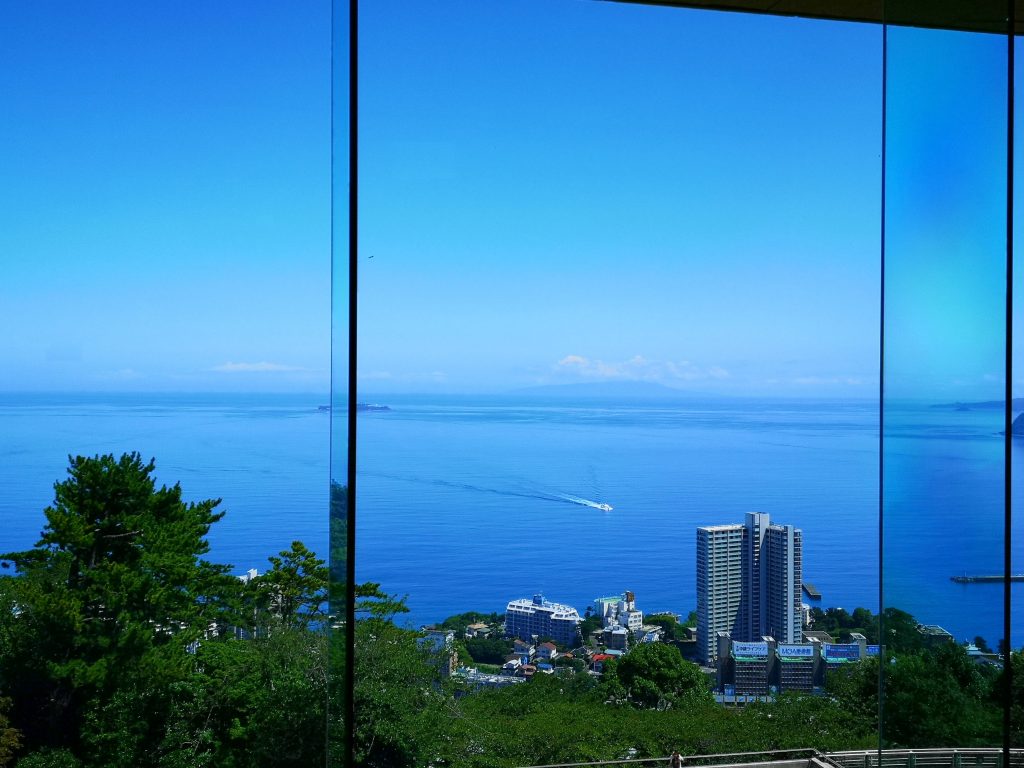
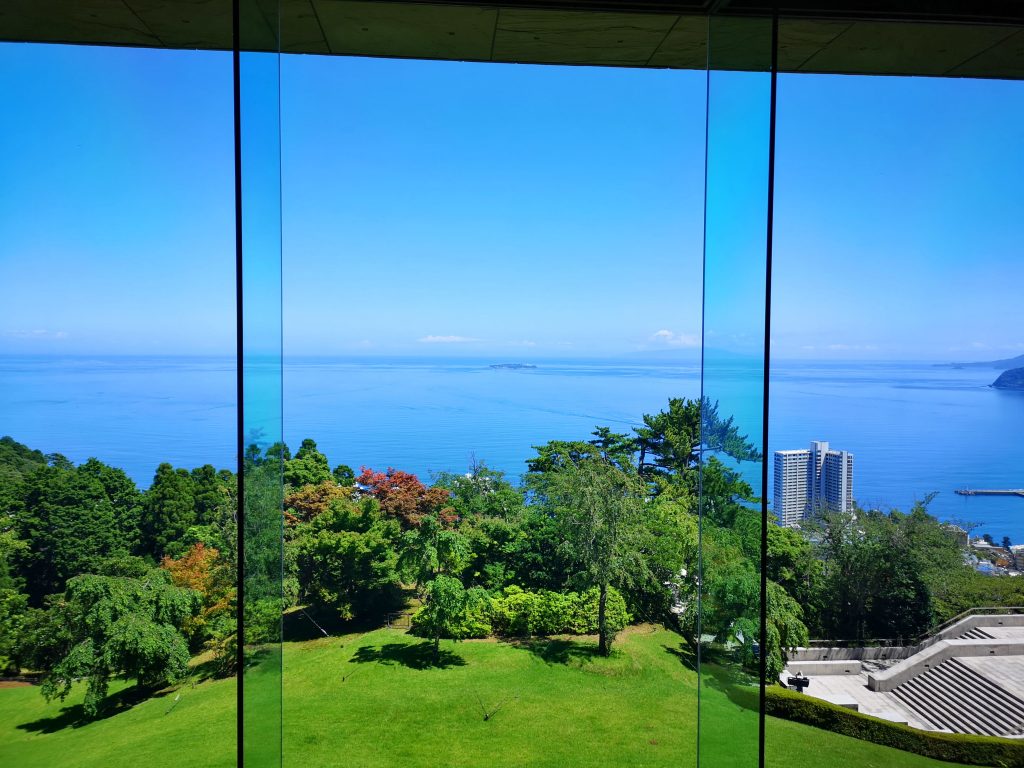
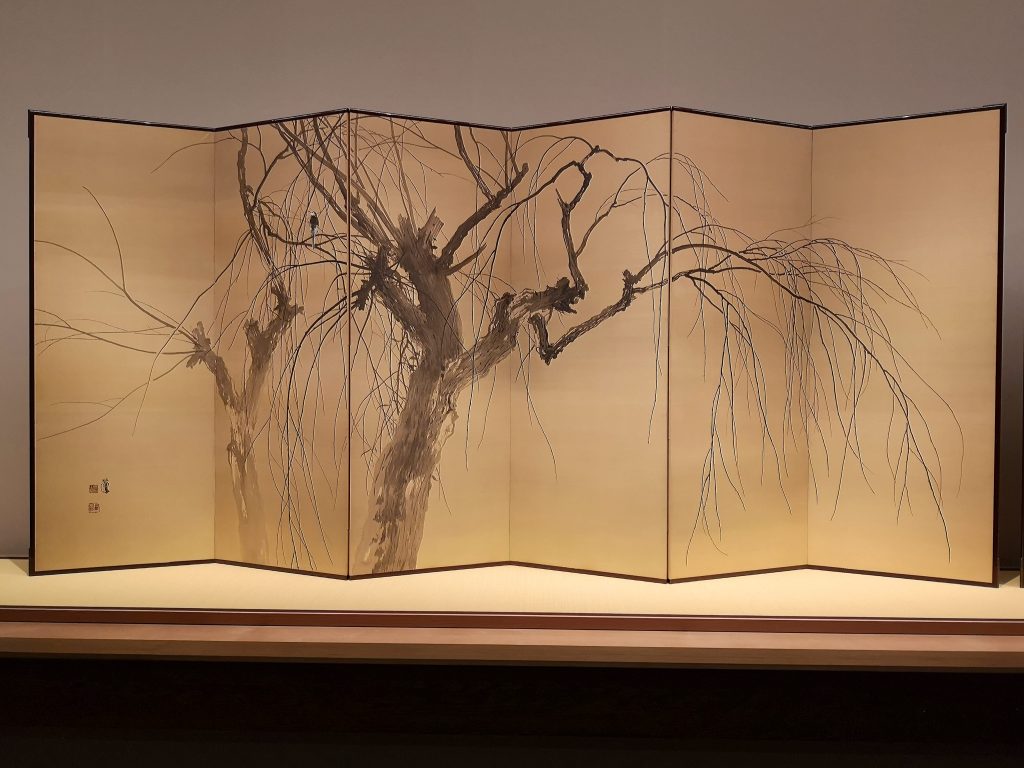
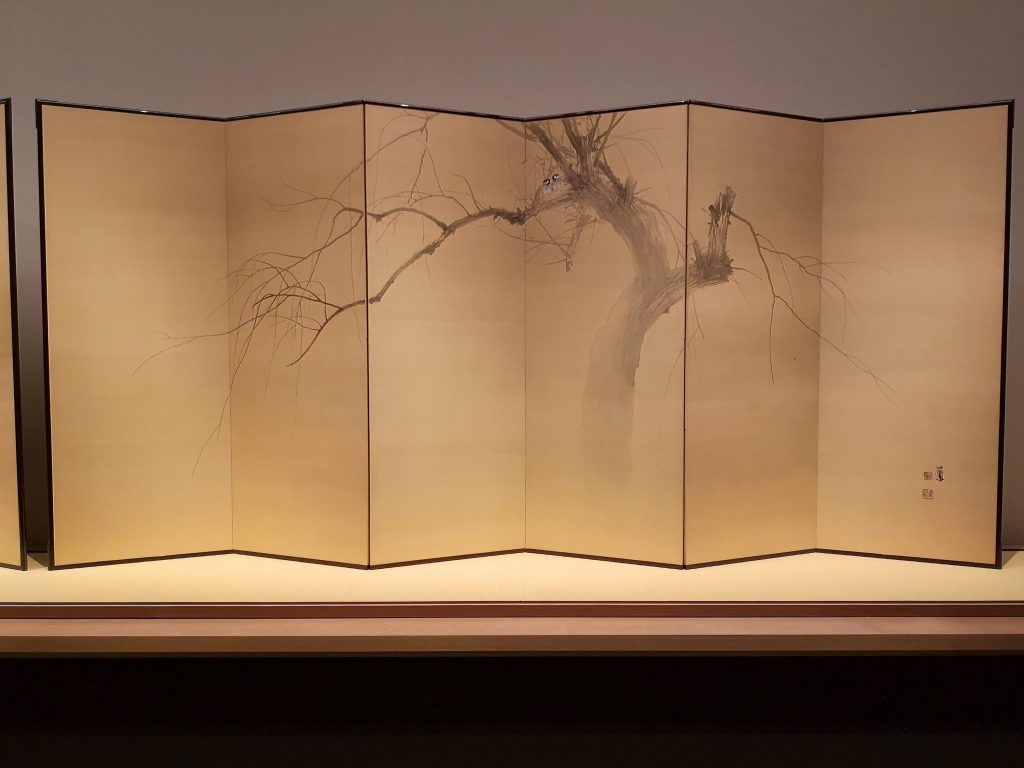
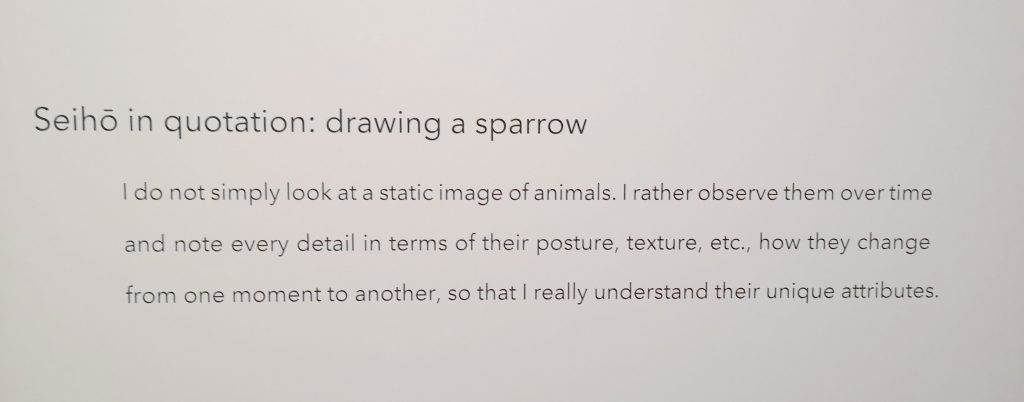
Takeuchi Seiho drew animals based on his minute observations. His dedicated brushwork breathes life into his deer, rabbits, sparrows, swallows, bears, tigers, hawks, frogs, fish, and other animals. His depictions were so authentic that you would feel as if they were about to come alive. Celebrating the 80-year anniversary of his death, VOA Museum of Art presents his masterpieces that capture the vibrant life of nature. VOA Museum is located on a hillside overlooking Sagami Bay, near the Atami hot spring area. Early this month, a devastating landslide hit the district in the mountainside and a lot of people and buildings were affected.

(http://www.moaart.or.jp/en/?event=tennrannkai2) (https://en.wikipedia.org/wiki/Takeuchi_Seih%C5%8D)

The 80-year anniversary of the death of TAKEUCHI SEIHO ― the vibrant life of nature

2021.06.11 – 2021.07.27

MOA MUSEUM OF ART, Atami, Shizuoka, Japan

Gansho Temple, Katsushika Hokusai 2

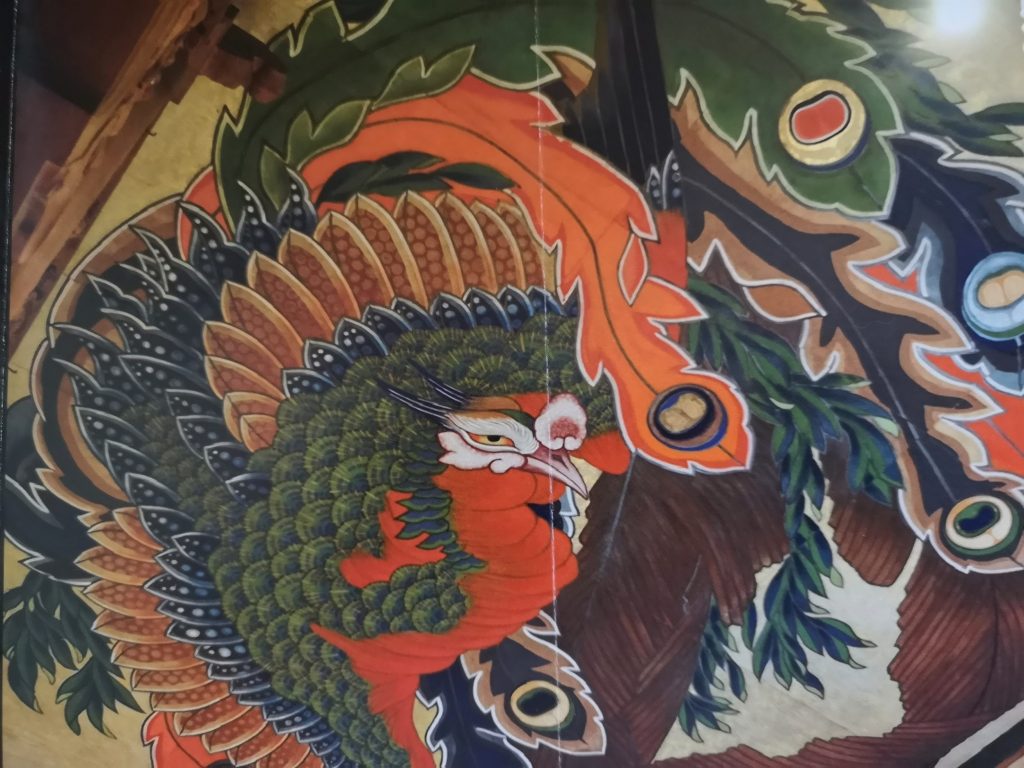
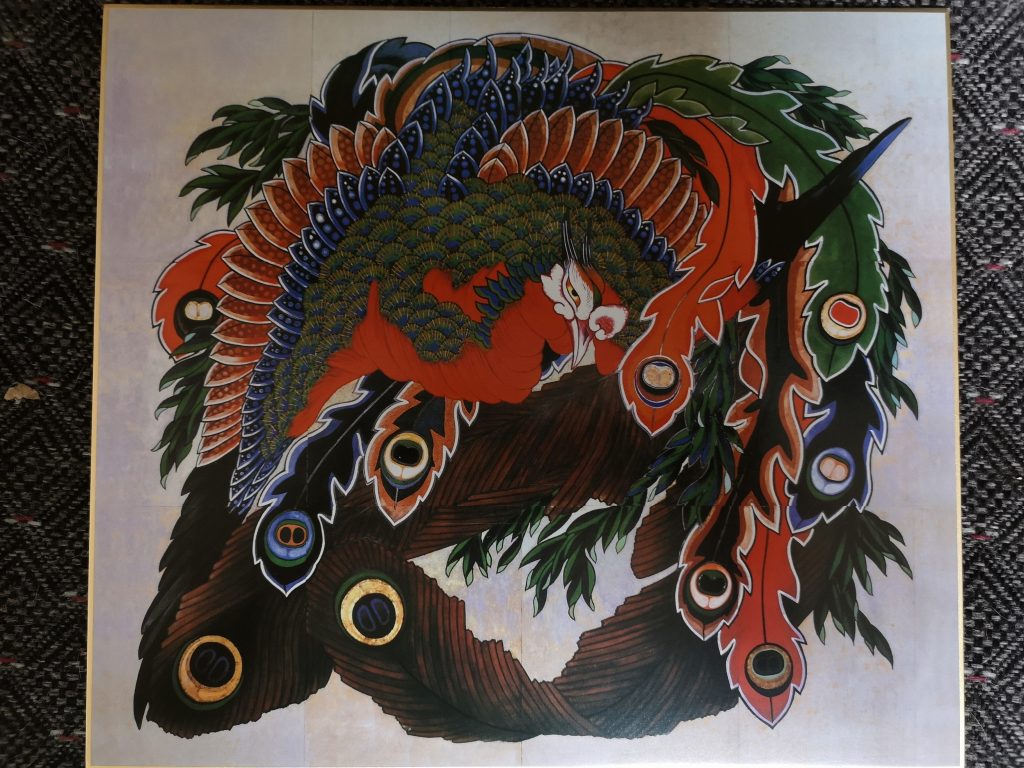
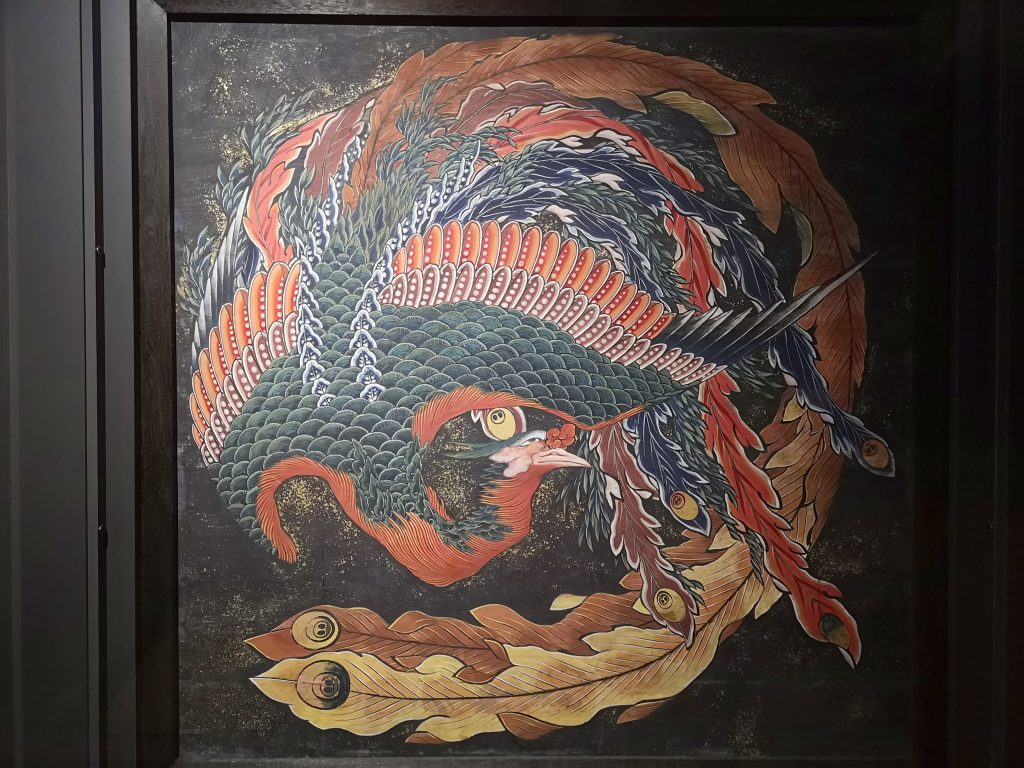
Ganshoin (Gansho Temple) is a temple belonging to the Soto sect of Zen Buddhism. It is located in the town of Obuse in Nagano Prefecture. It is a small temple in a small town. Katsushika Hokusai visited this temple in 1847 and painted the Phoenix (Happo Nirami Ho-oh Zu: An Auspicious Bird Staring in Each Direction) on the ceiling of the temple. The painting is quite large with a height of 230 inches and a width of 250 inches. He created the painting separately on 12 wooden panels of cypress placing them in a 3 x 4 layout. The work is suspended by Japanese traditional wooden framework, without using nails (The Leaflet of The Gansho Temple). The painting was completed in 1848, 173 years ago, but the colors are still bright and fresh even now. The pigments he used were mainly imported from China and they were apparently in high quality. Most likely they were provided by his patron, Takai Kozan. The environment surrounding the temple has also helped: it is cold in the winter and relatively cool in the summer; it is in the countryside as well.

Although I am not very sure about Hokusai’s real age, but it is said that he was 90 years old, in the following year he completed the Phoenix, when he died at the Henshoin Temple, Asakusa, Edo in 1849. He traveled 4 times in 10 years between Edo and Obuse about 240 km over 80 years old on foot. It took him for 8 days one way (The Gansho Temple).

Kobayashi Issa, a famous Haiku poet, composed a Haiku when he visited here: “Yase Gaeru Makeruna Issa Kokoni Ari” (A Thin Toad, Don’t Be Defeated, I’m Watching Over You).

Hiking Ojiragawa Gorge 2

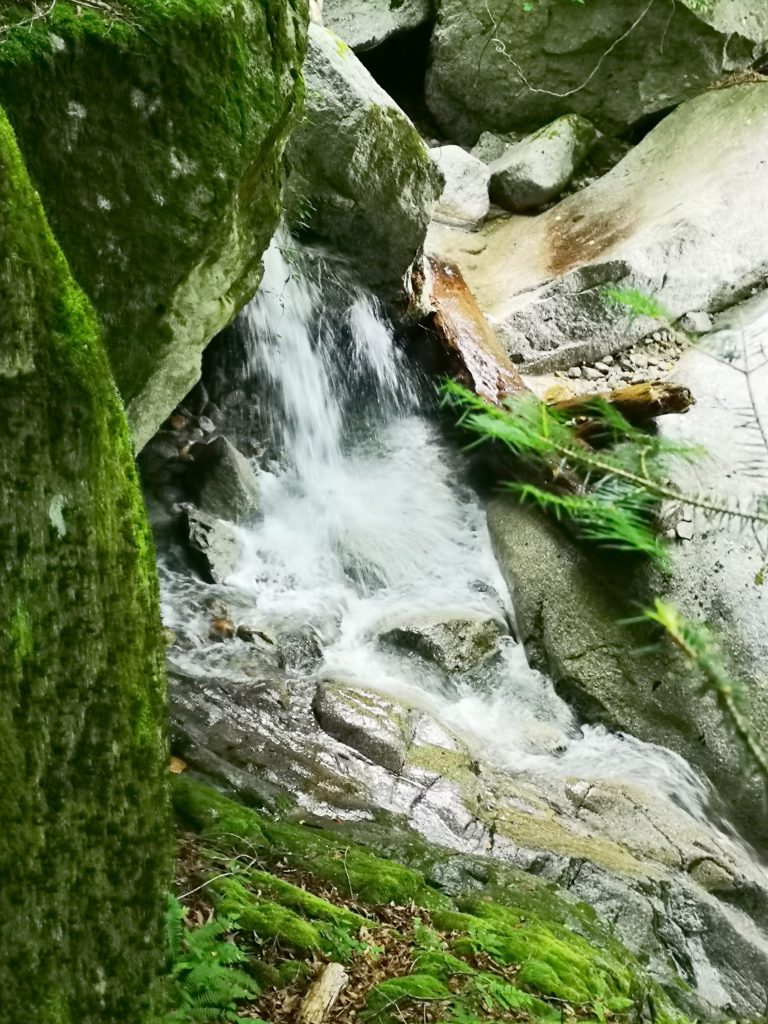
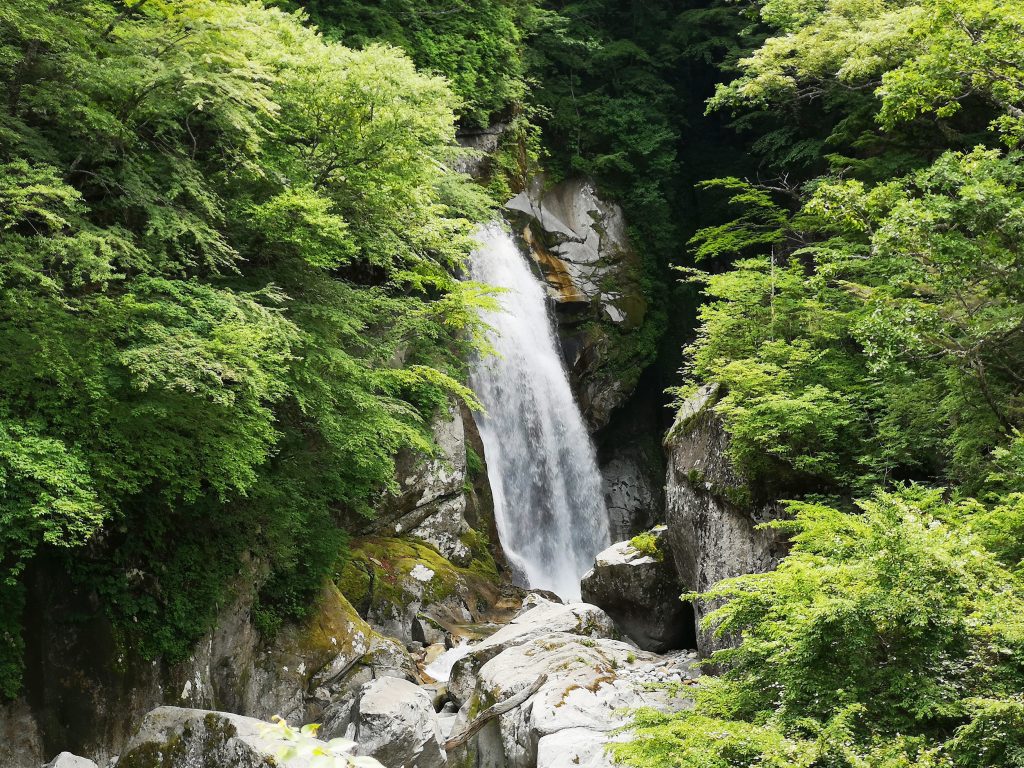
I hiked the Ojiragawa (White Tail River) Trail again, this time, to Fudotaki (No Move Falls). The amount of the water is impressive and very strong. I got splashed even several meters away.

Fudotaki (No Move Falls), Ojiragawa Gorge, Hakushu, Hokuto, Yamanashi, 6/23/2021
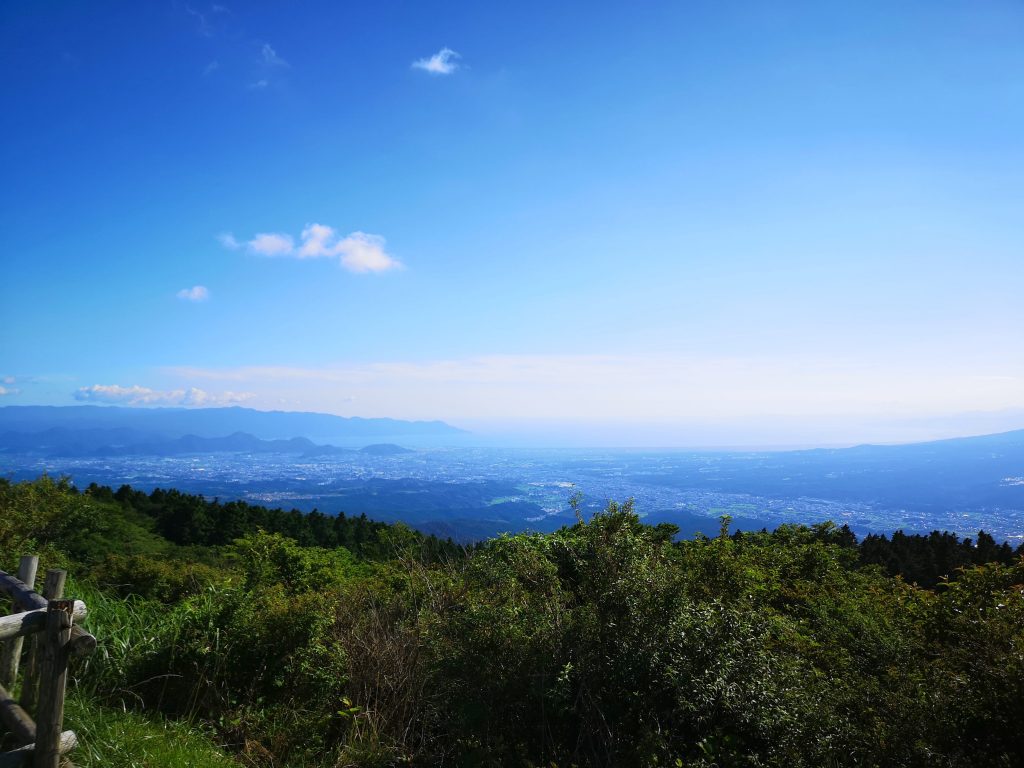
Wasabi Farms in Azumino

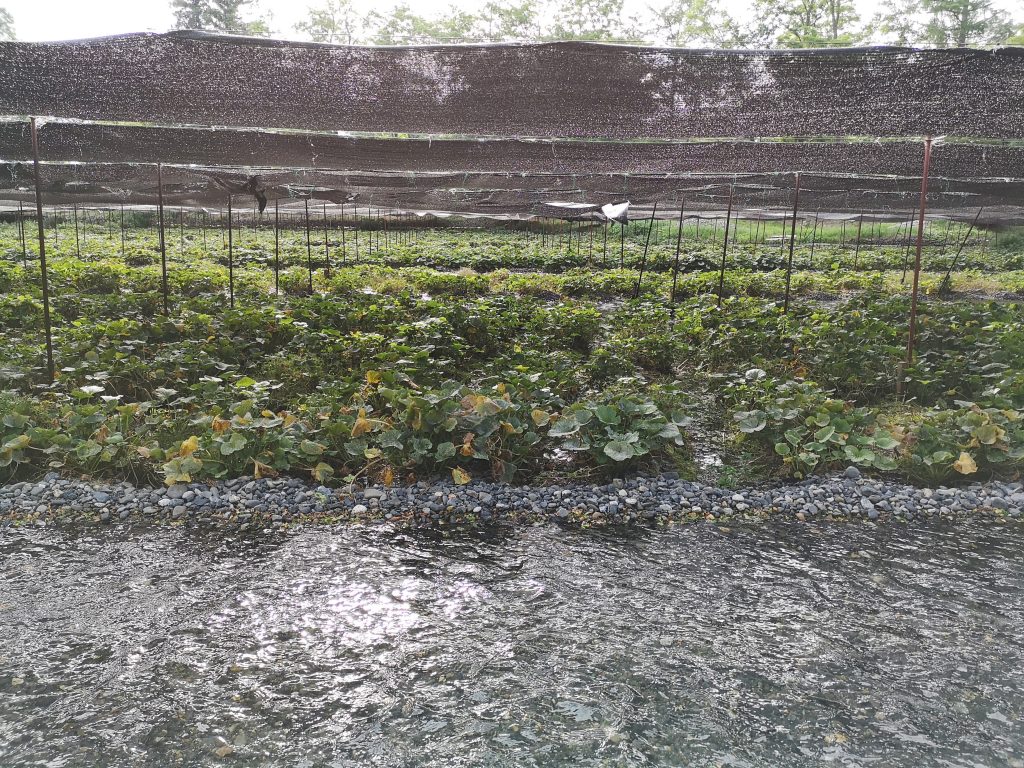
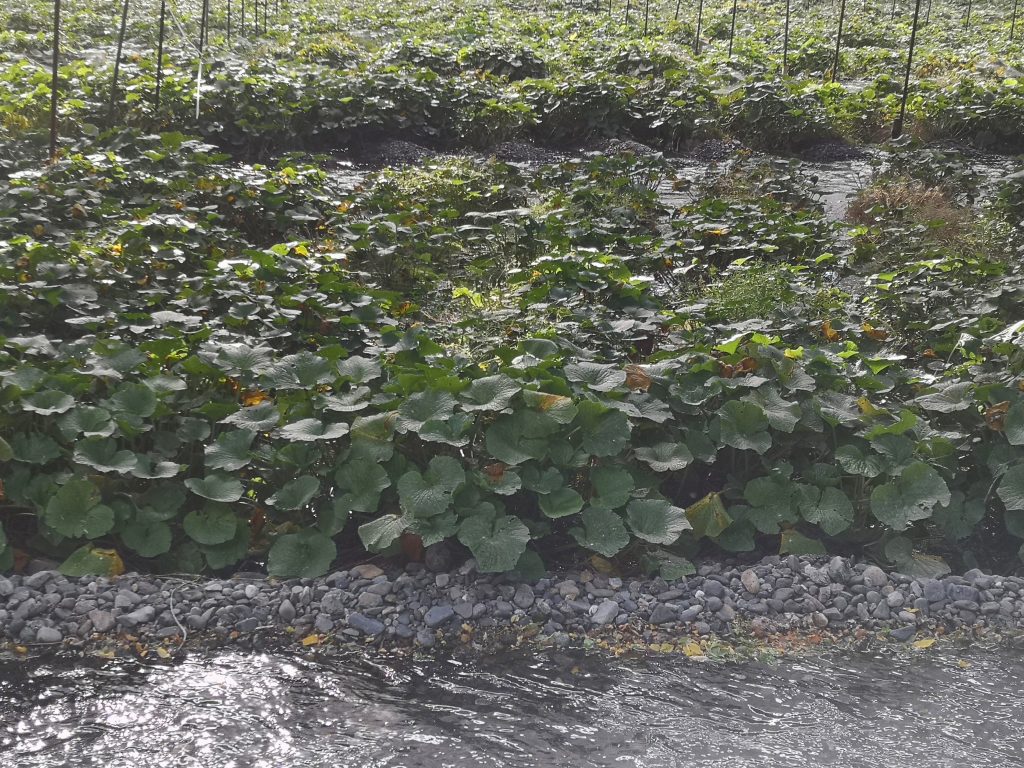
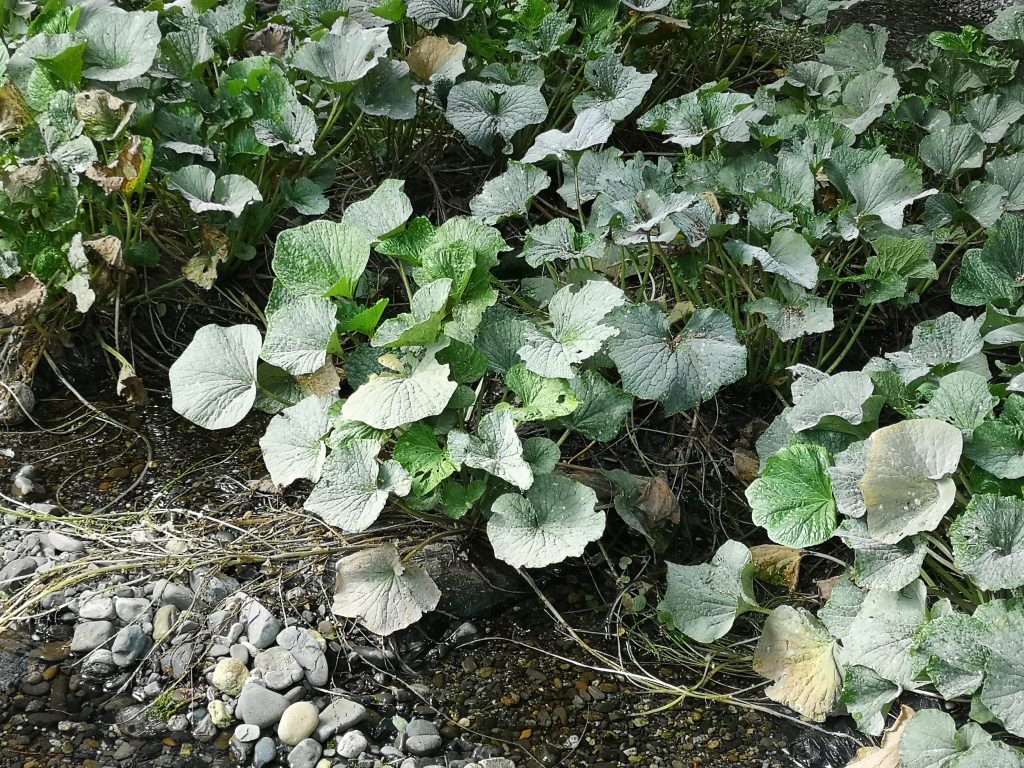
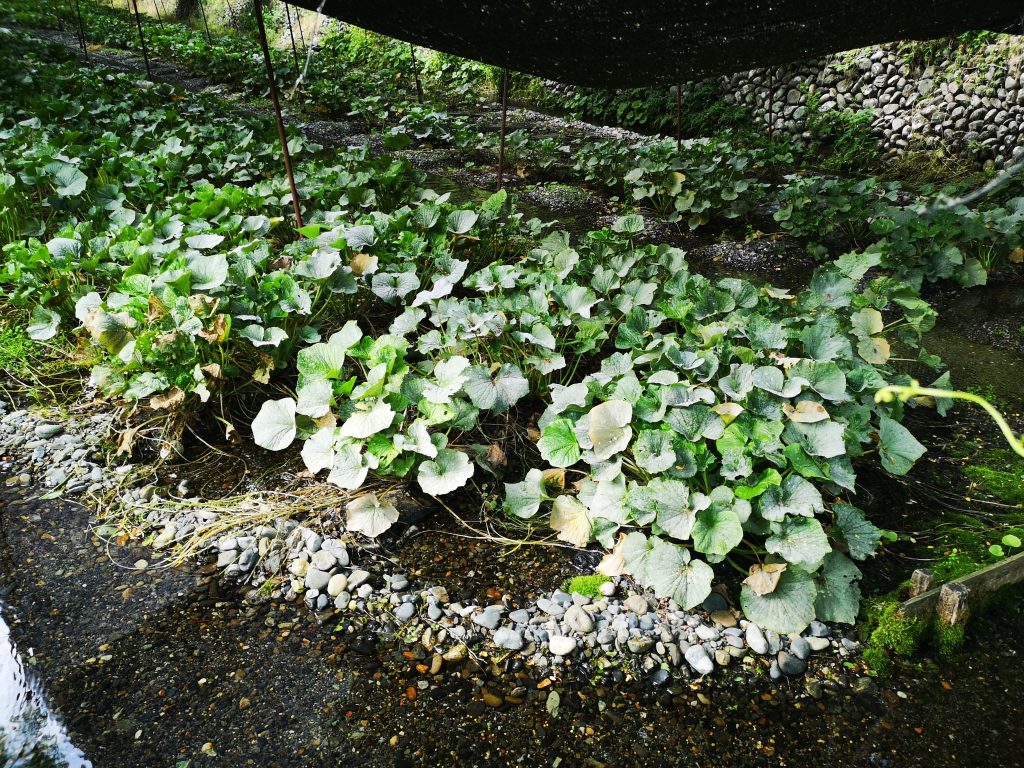
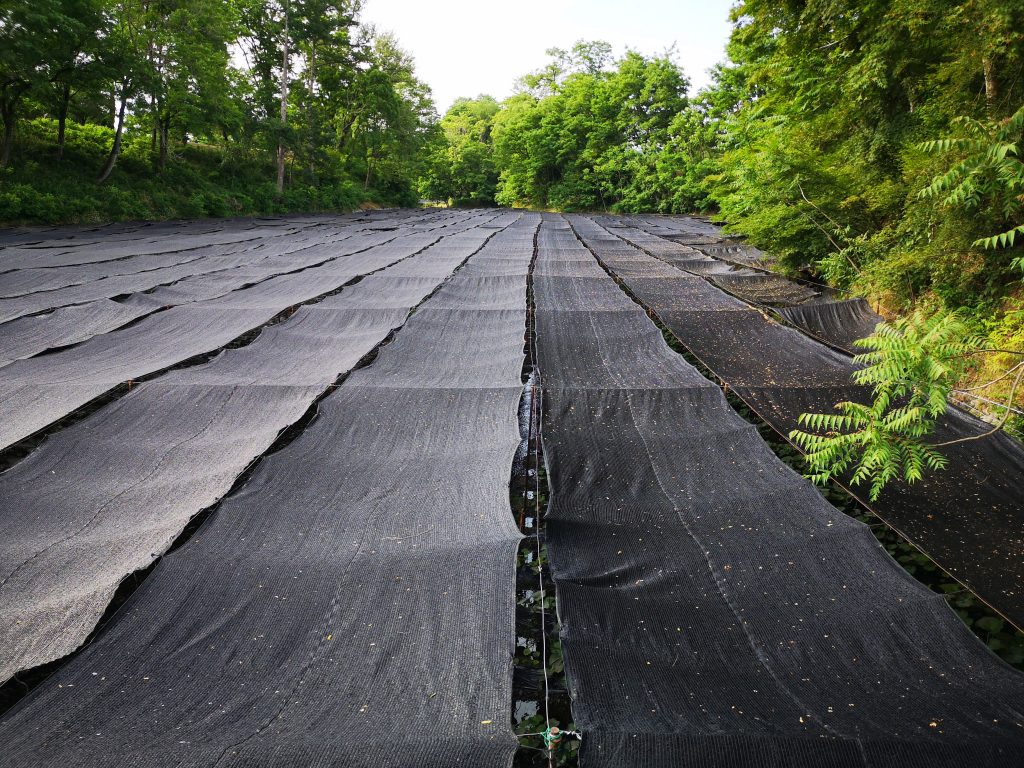
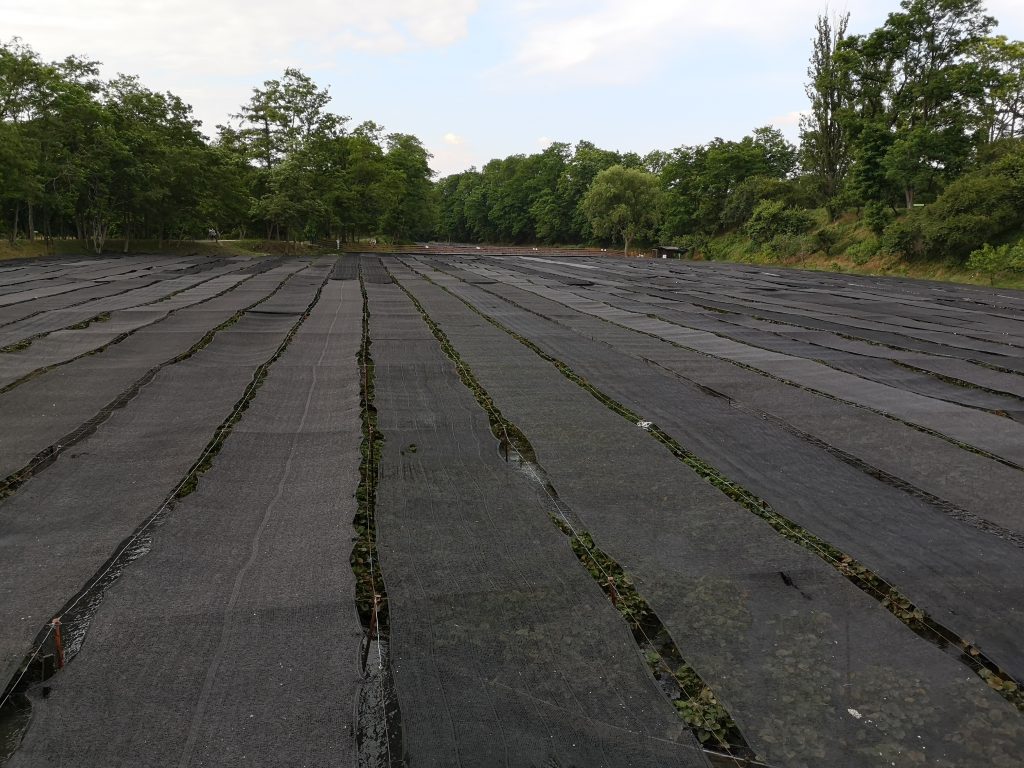
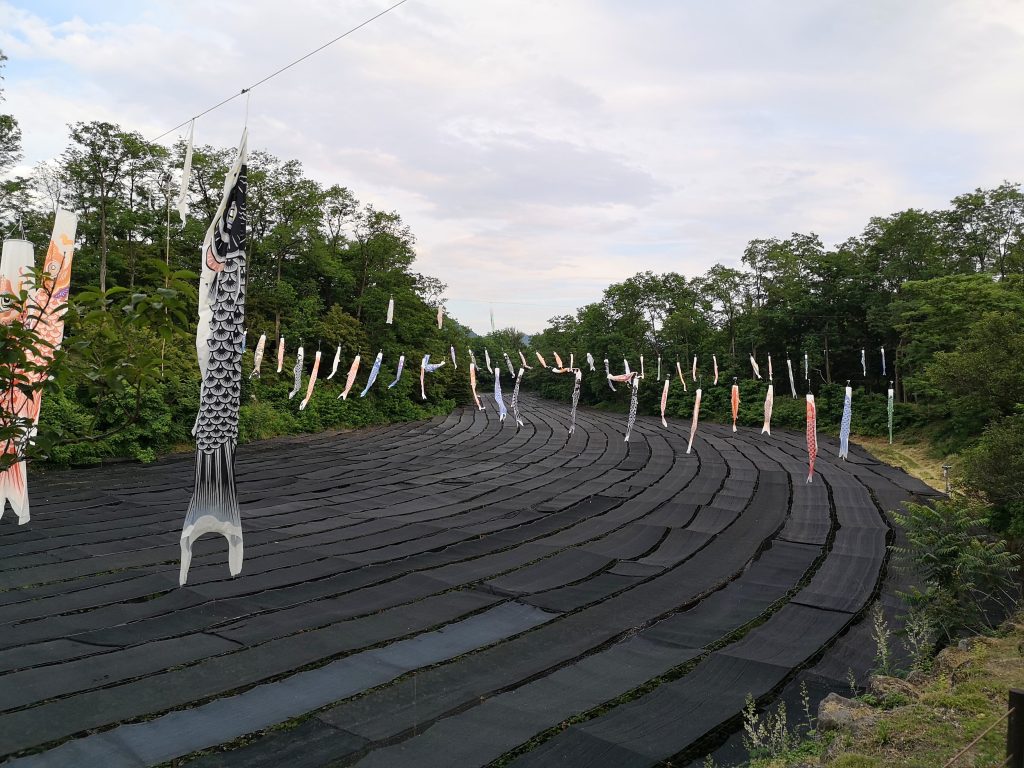
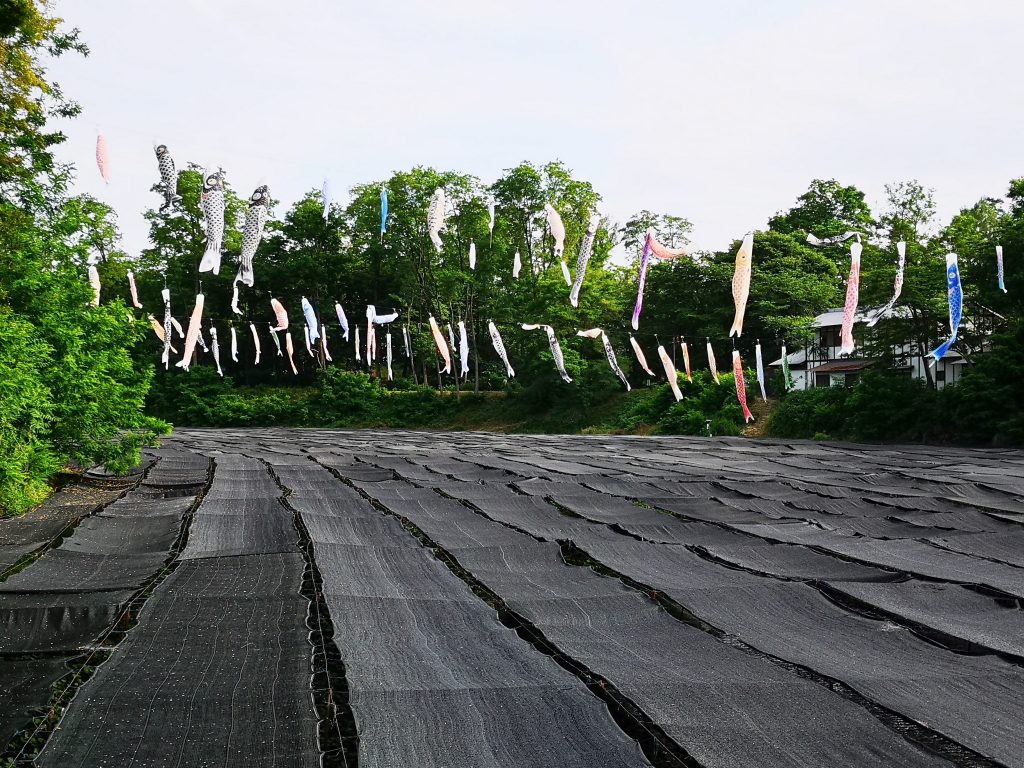
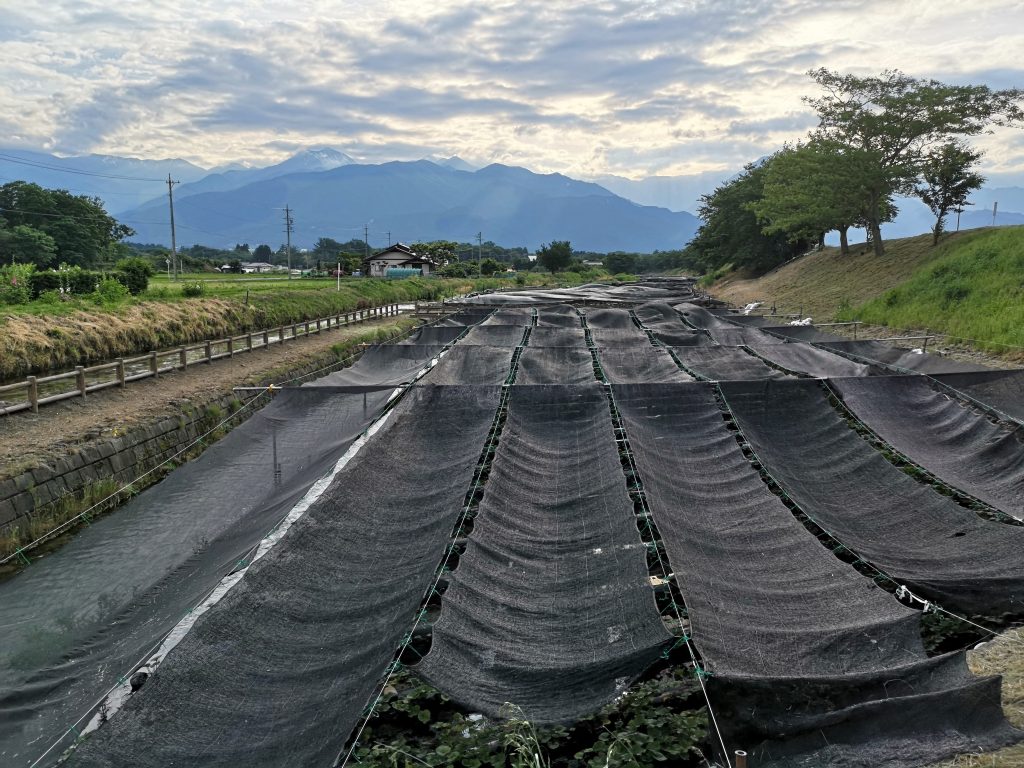
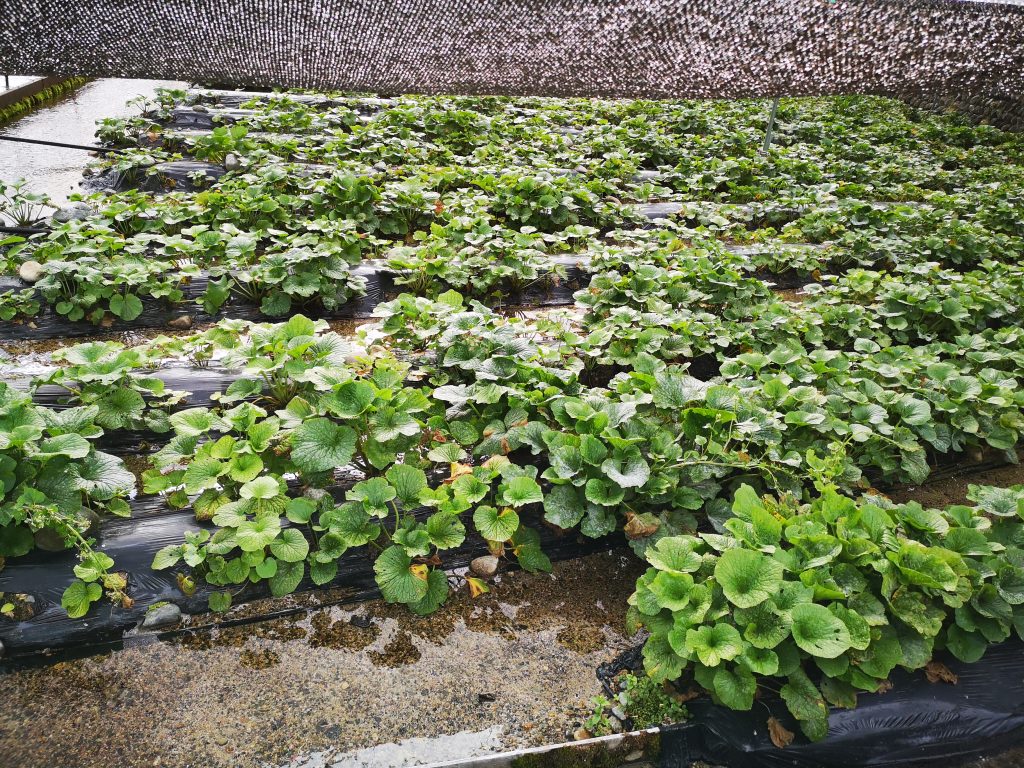
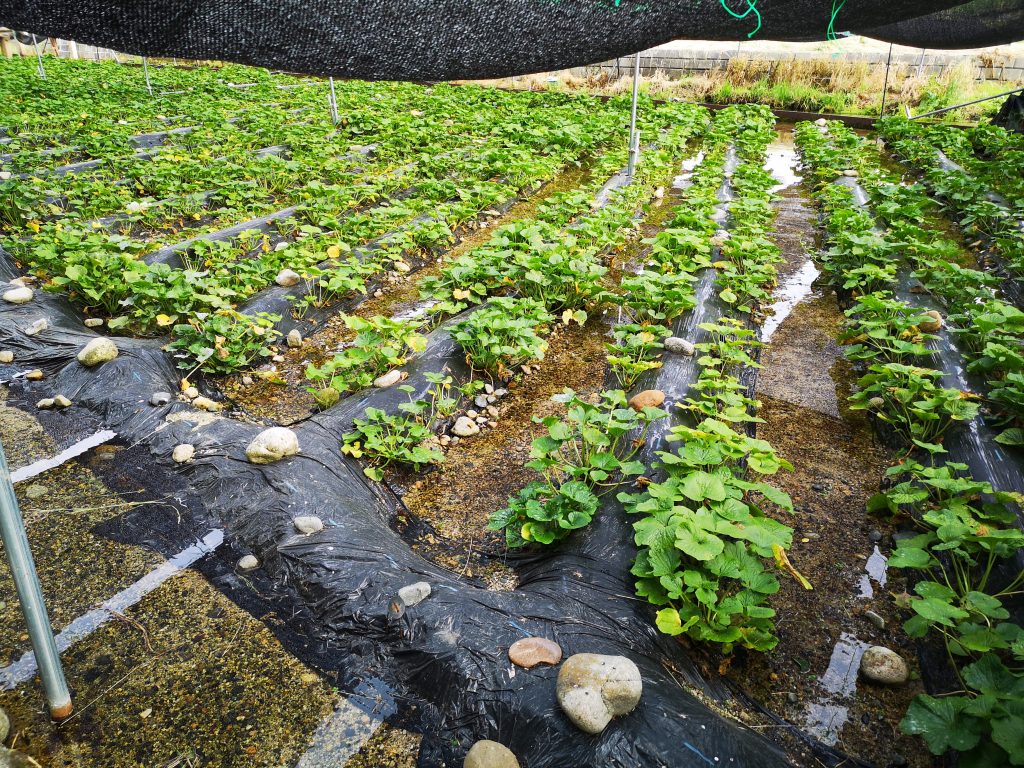
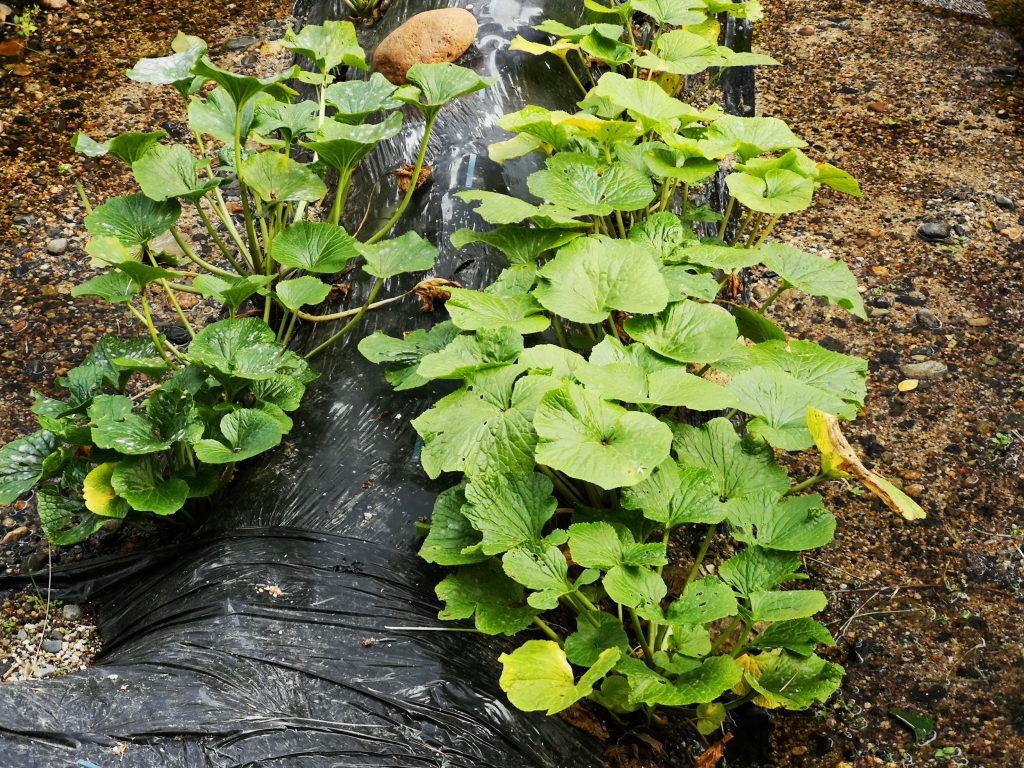
Relatively cool weather and clear water around the Azumino region are suited for growing wasabi, Japanese horseradish (Eutrema japonicum). The largest wasabi farm in the world, Daio Wasabi Farm, is located here in Azumino. Wasabi is originally grown wildly in the streams of the mountains. Therefore, wasabi plants are rather sensitive to the direct sunlight in the fields. Black shade nets are used to cover the wasabi fields to protect the roots and stems of wasabi plants from the heat of the sunlight during summer, from May to the beginning of October. They help to keep the temperature of the running water below 15°C. (https://visitazumino.com/en/) (https://www.daiowasabi.co.jp/)

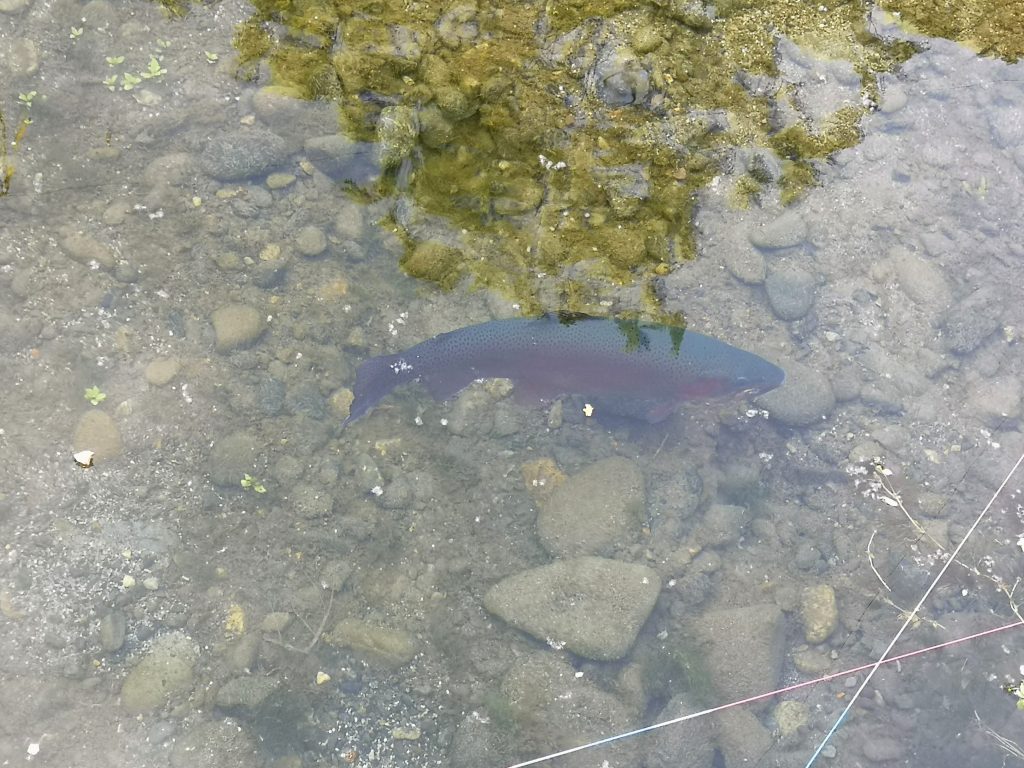
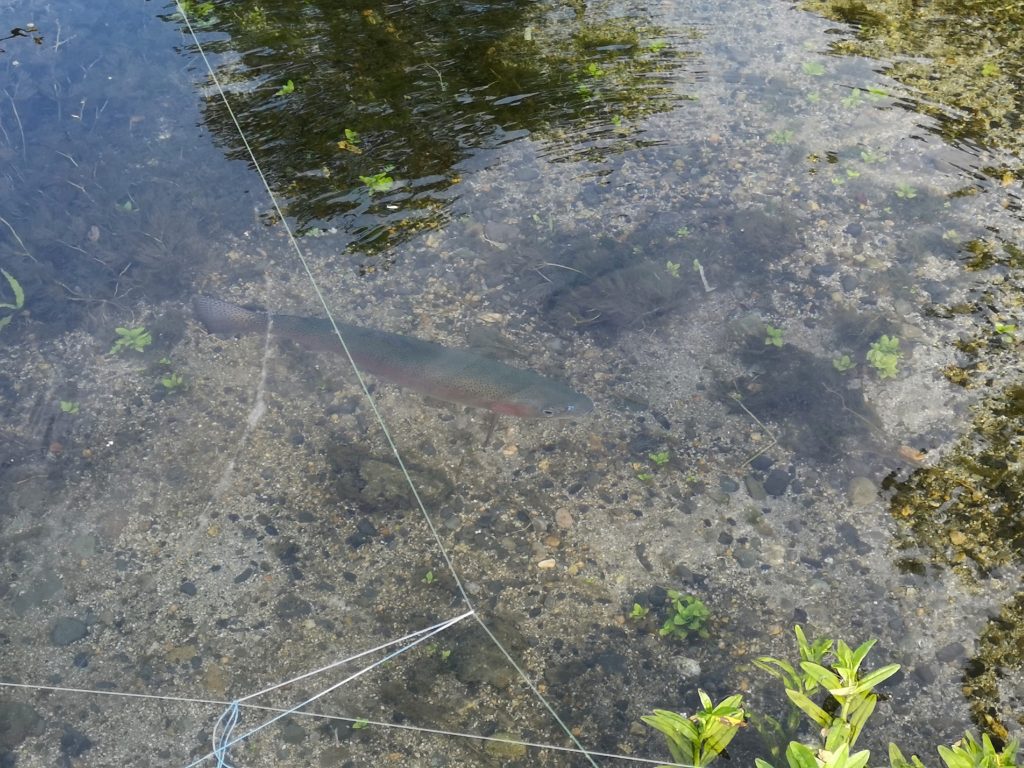
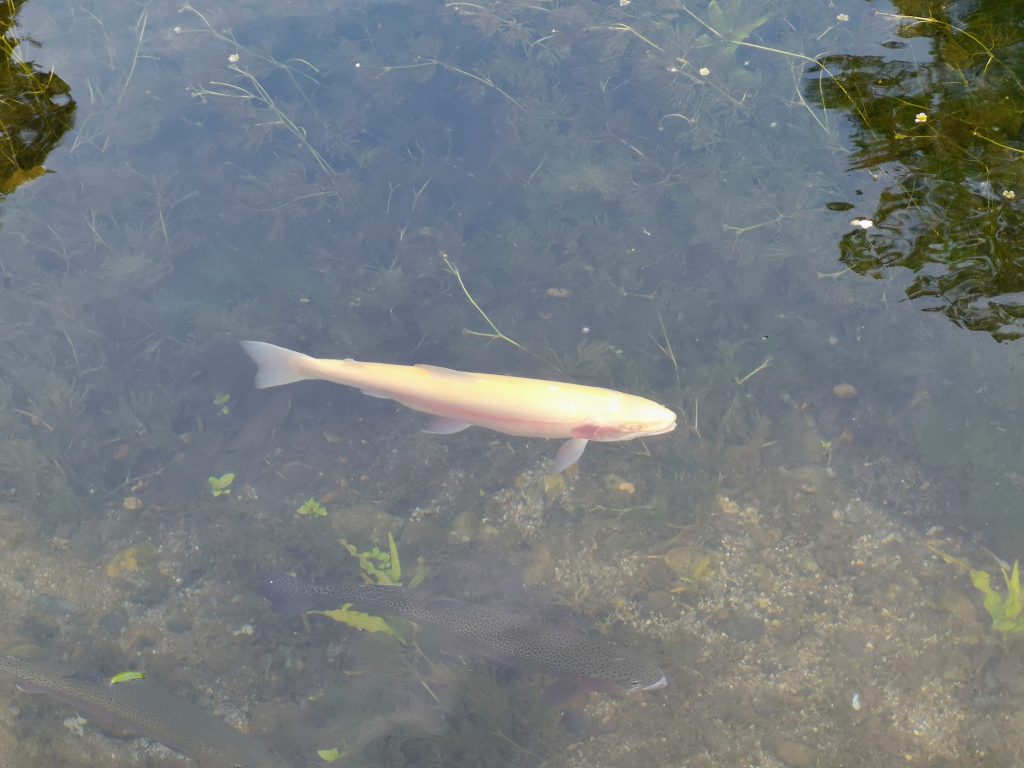
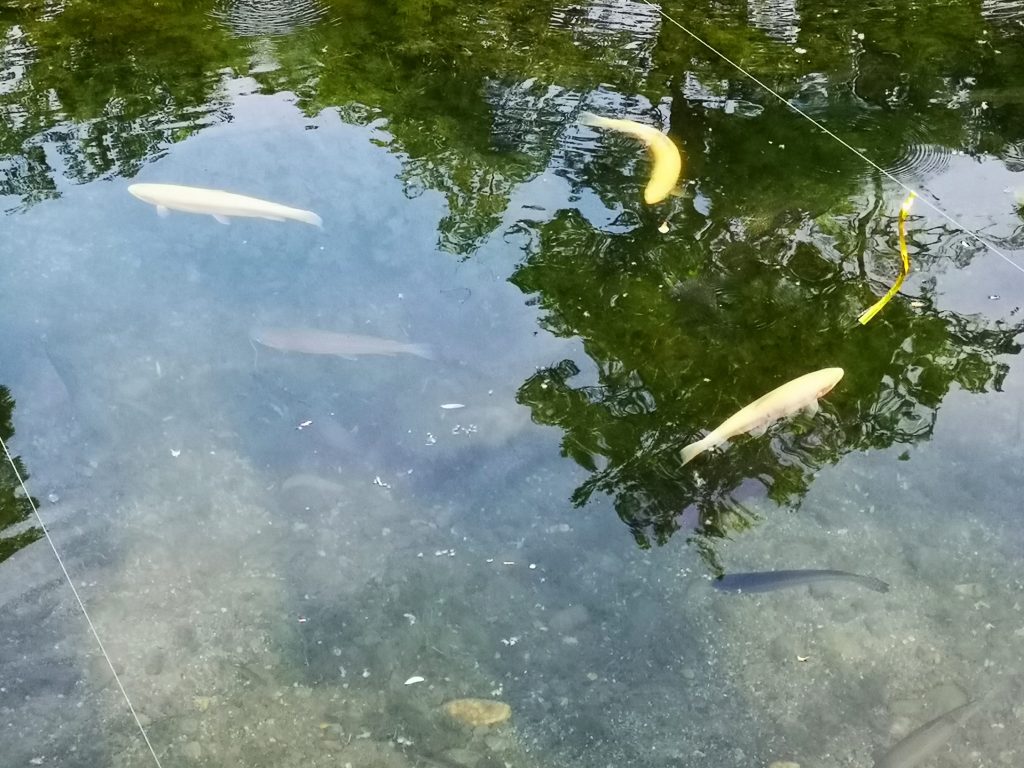
There is a pond where rainbow trout (Oncorhynchus mykiss) are raised in the Farm. Yellow orange fish are albino fish, the mutant of the wild type rainbow trout. Adult fish of rainbow trout are distinguished by a broad reddish stripe along the lateral line, from gills to the tail. You can see the reddish stripe on the belly even on the albino type.

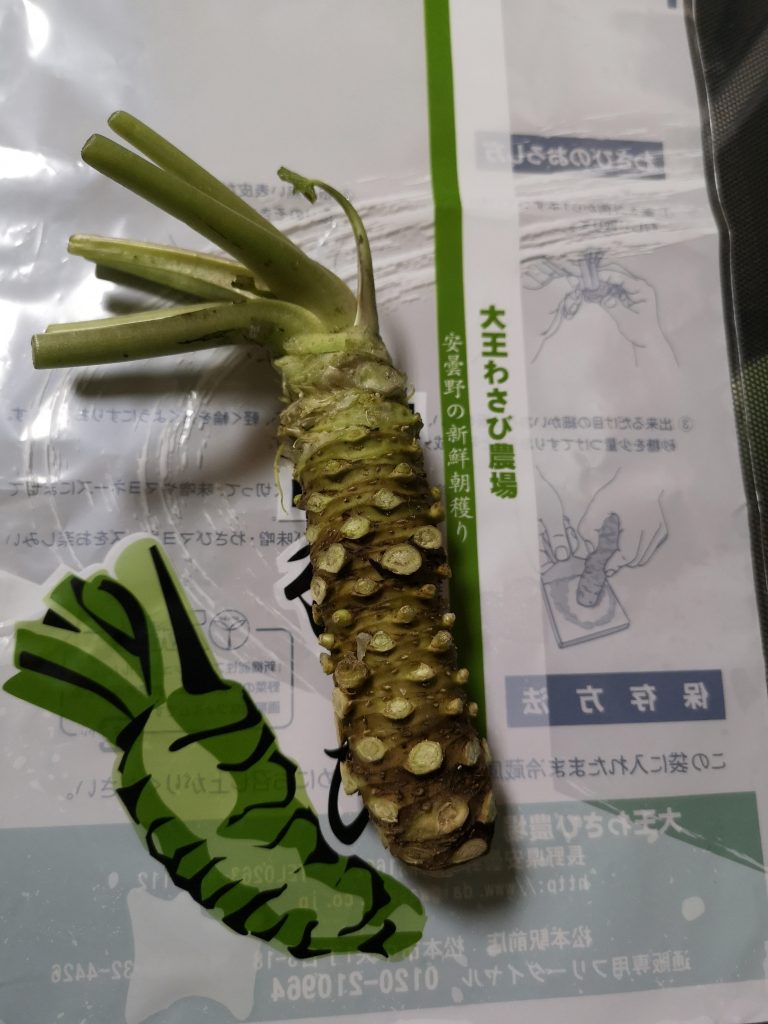
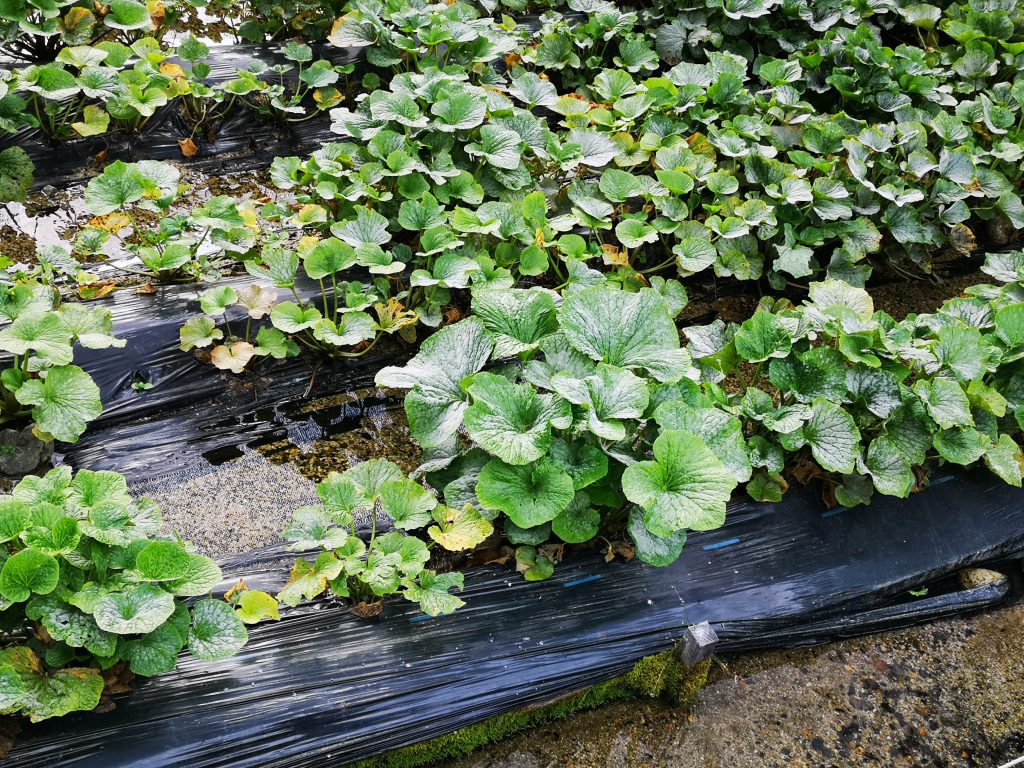
Wasabi Stem or Rhizome, the Major Part of the Plant Eaten, Commonly Served Grated; Its Pungent Compound is Allyl Isothiocyanate Produced by Grating the Plant. In Horseradish, the Root is Eaten. Both are Hot and Tangy; but the Japanese Wasabi is Much More Intense with Mild Sweetness. Daio Wasabi Farm, Azumino, Nagano, 6/12/2021 (https://en.wikipedia.org/wiki/Wasabi) (https://foodal.com/knowledge/herbs-spices/horseradish-wasabi/)
HOTAKA RIVER WASABI FIELDS

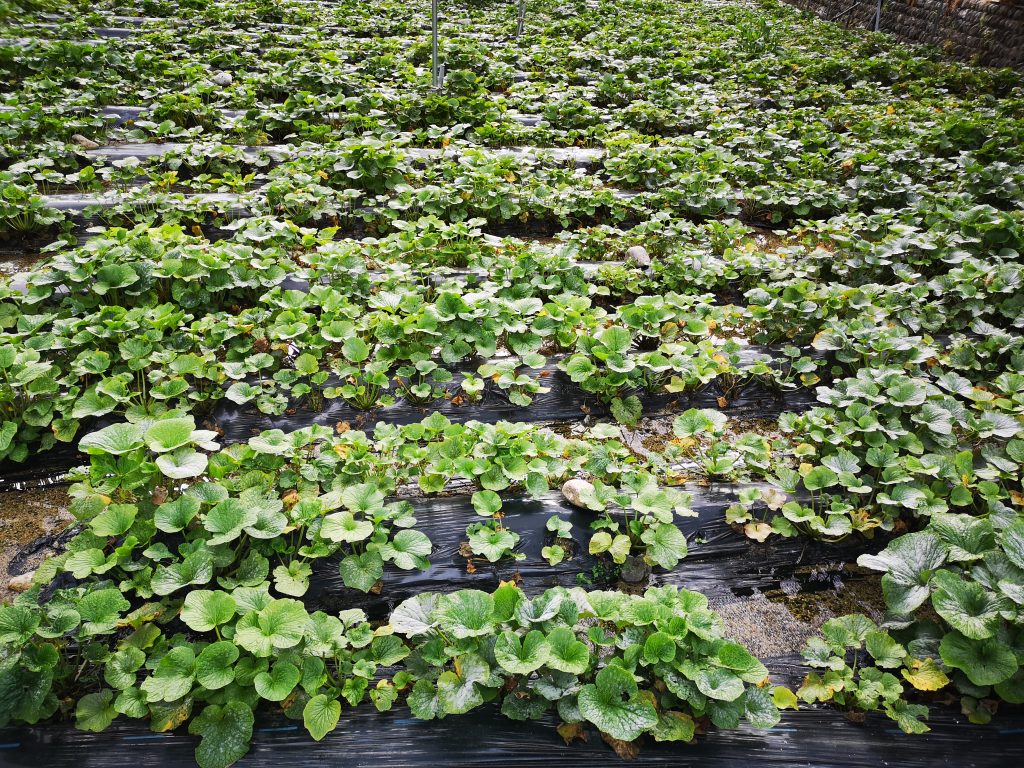
Other than Daio Wasabi Farm, there are wasabi fields along the Hotaka River in the Azumino area.

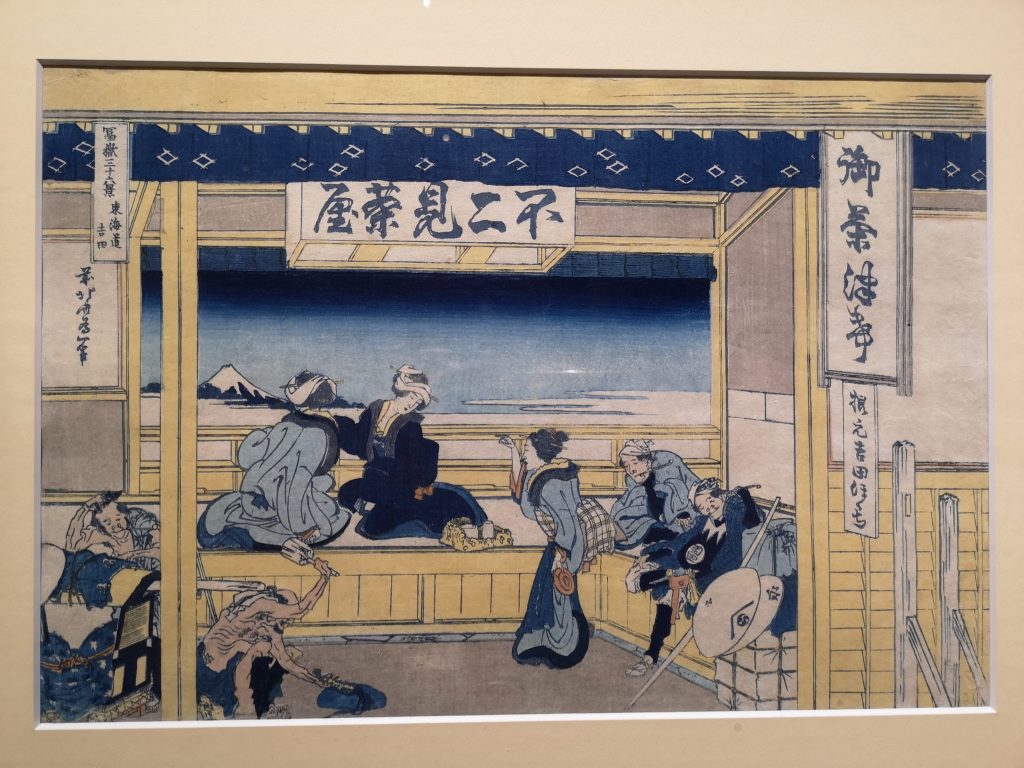
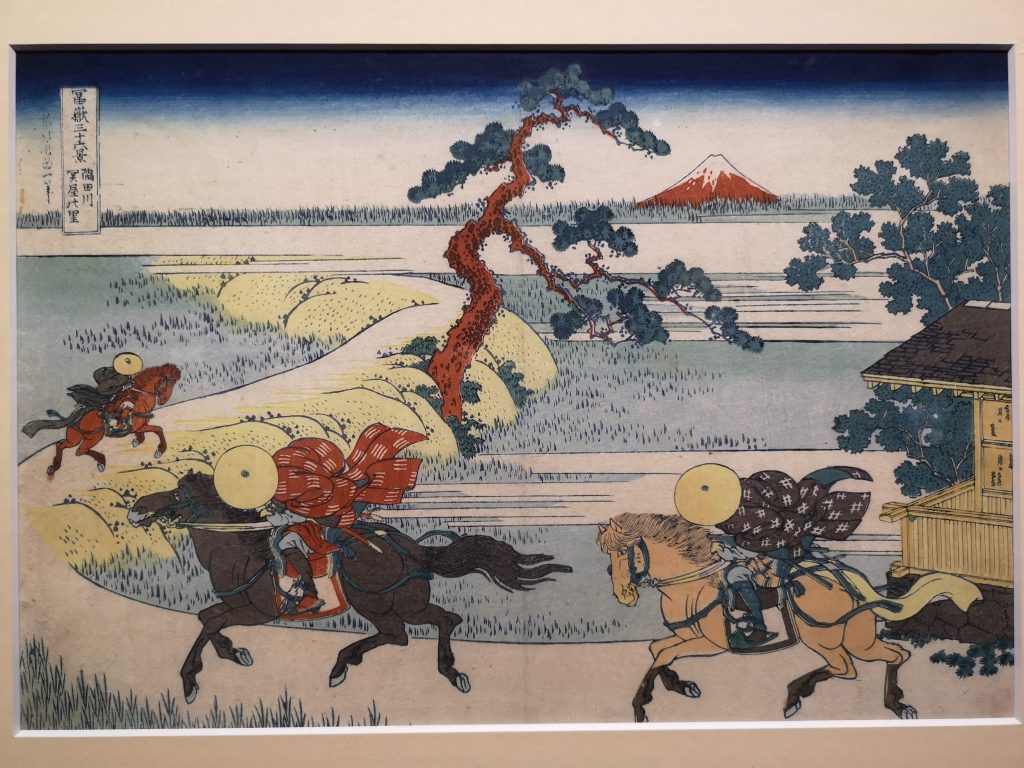
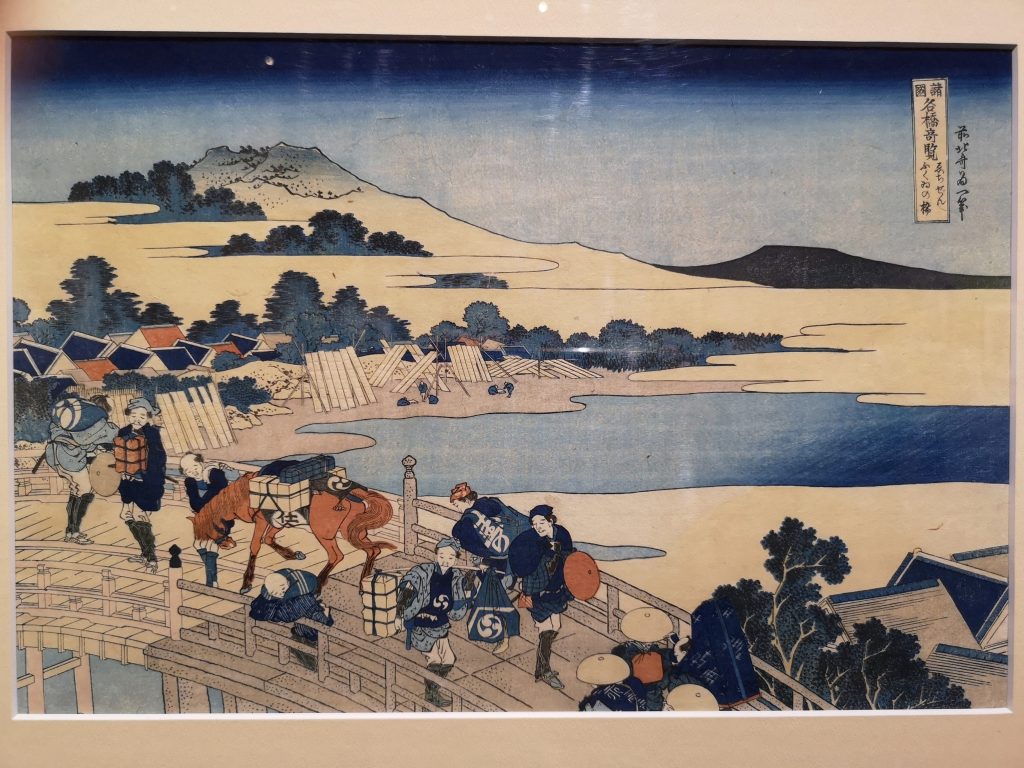
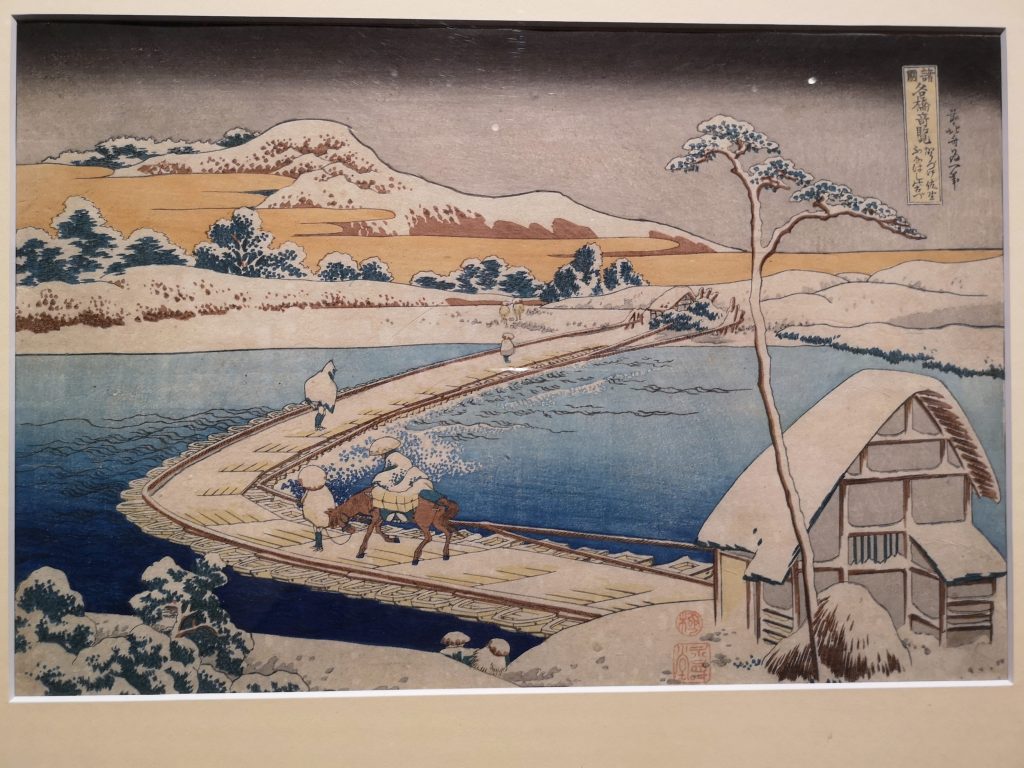
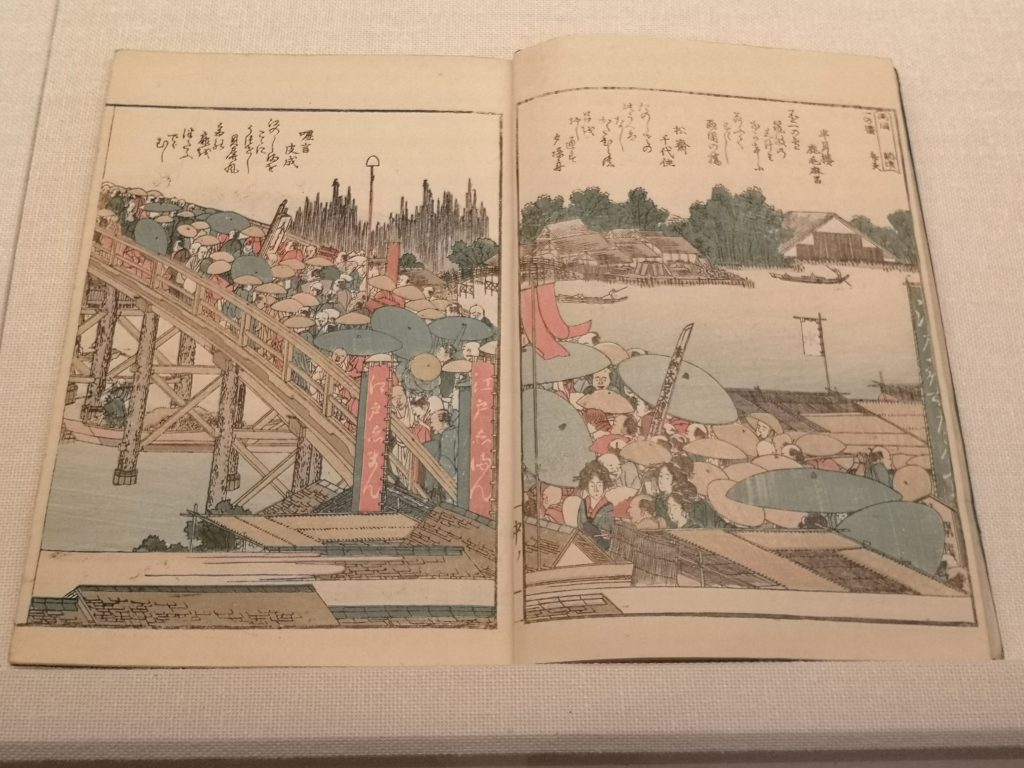
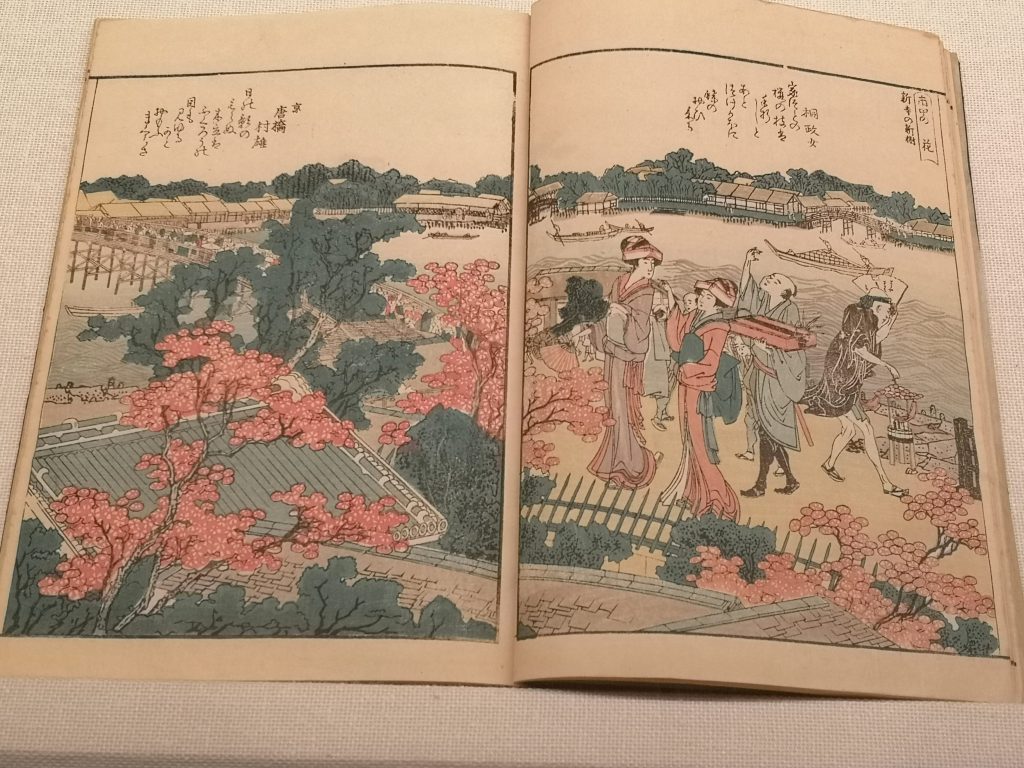
Hokusaikan, Katsushika Hokusai Museum

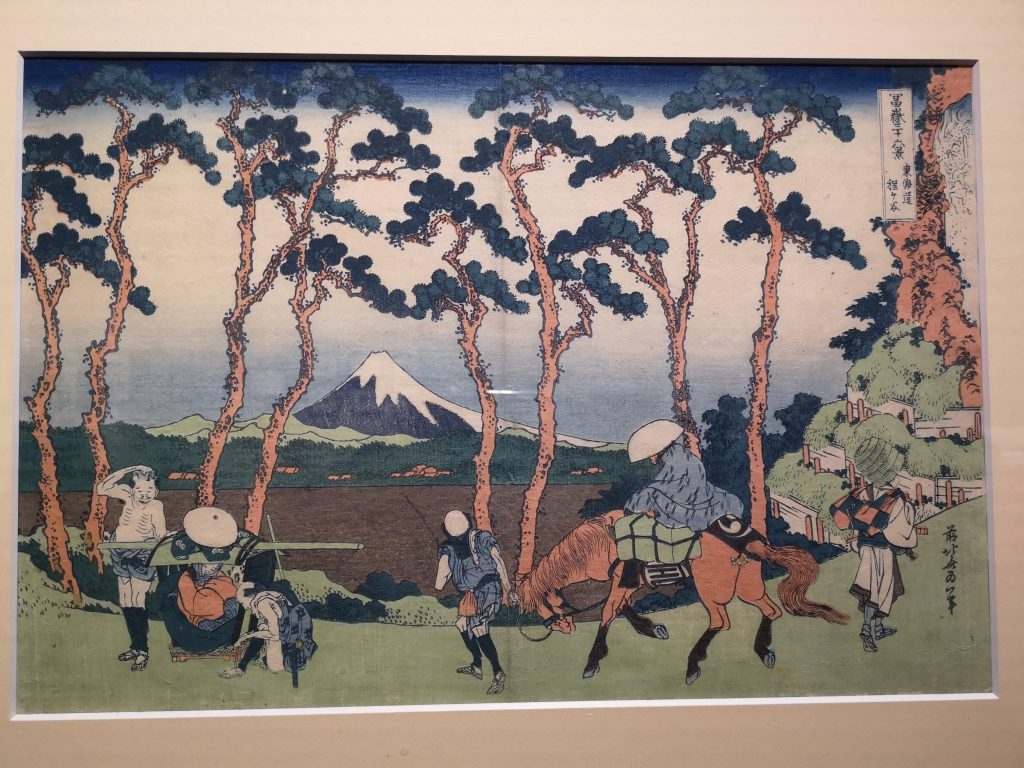
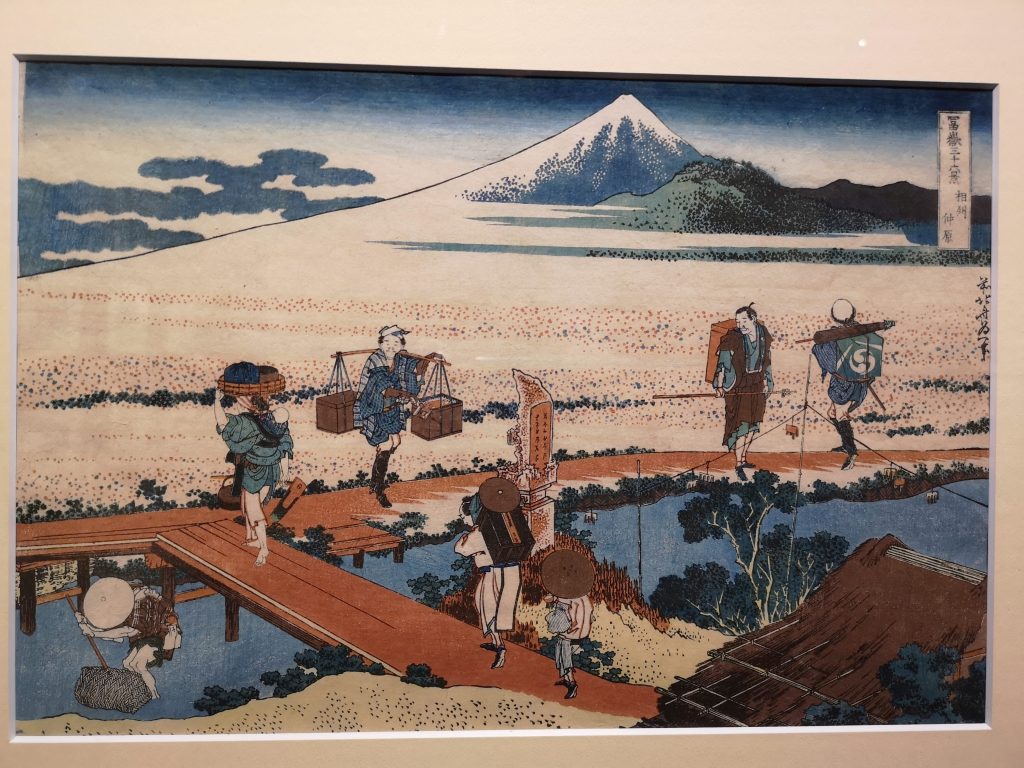
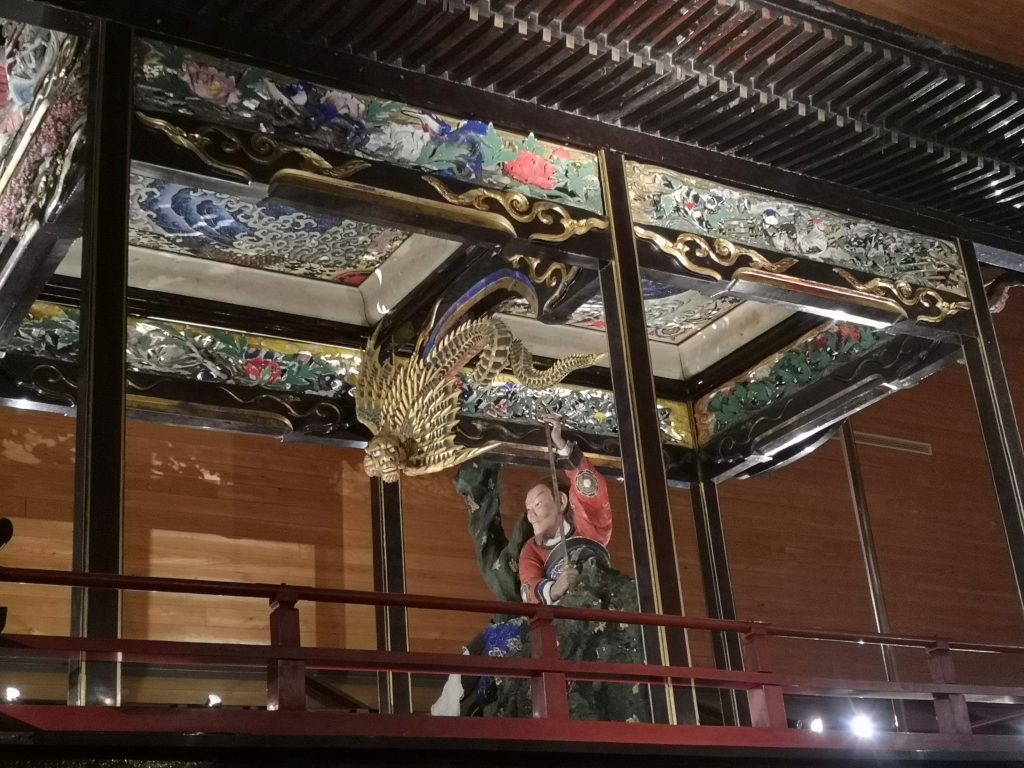
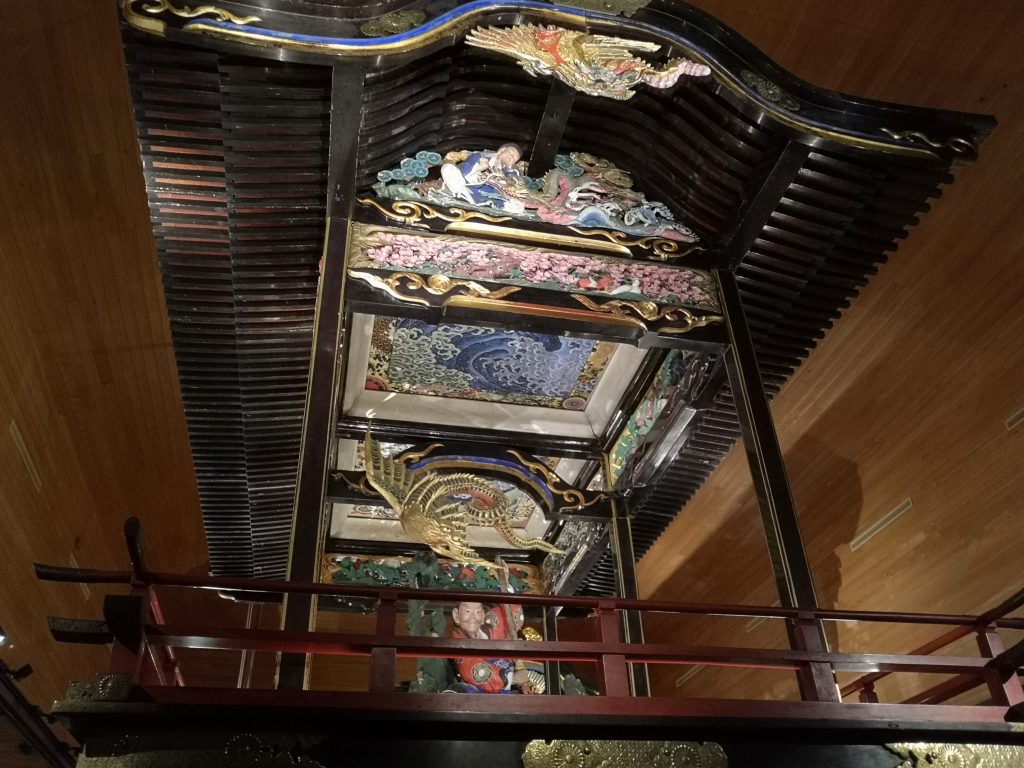
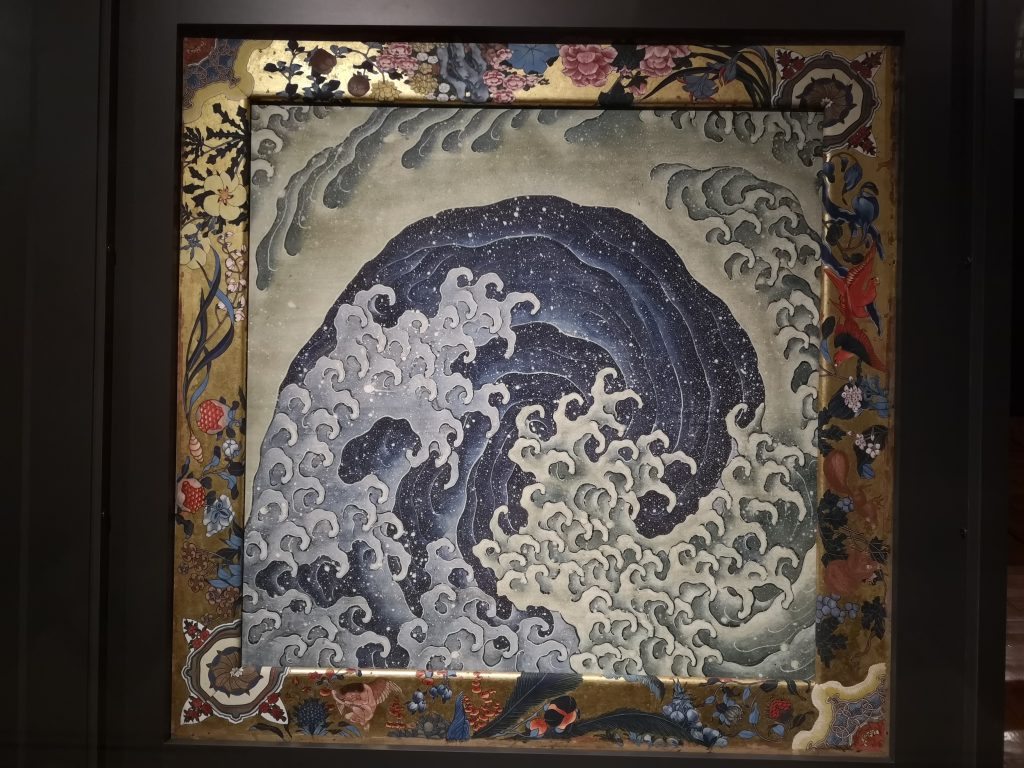
As you may know that the Sumida Hokusai Museum is located in Sumida Ward in Tokyo. There is another Hokusai museum here in the town of Obuse in Nagano Prefecture. The museum holds the two well-known festival floats, books of woodblock prints, nishikie (multi-colored woodblock prints), and paintings.

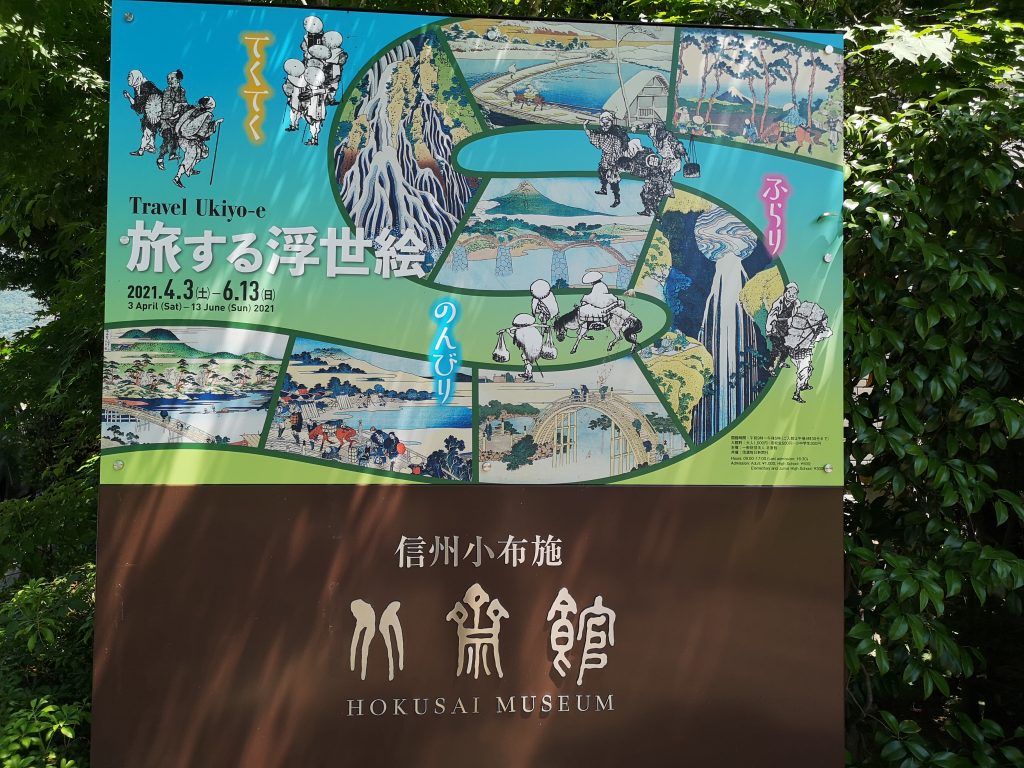
TRAVEL UKIYOE

4/3~6/13/2021
Hokusaikan, Hokusai Museum, Obuse-town, Nagano

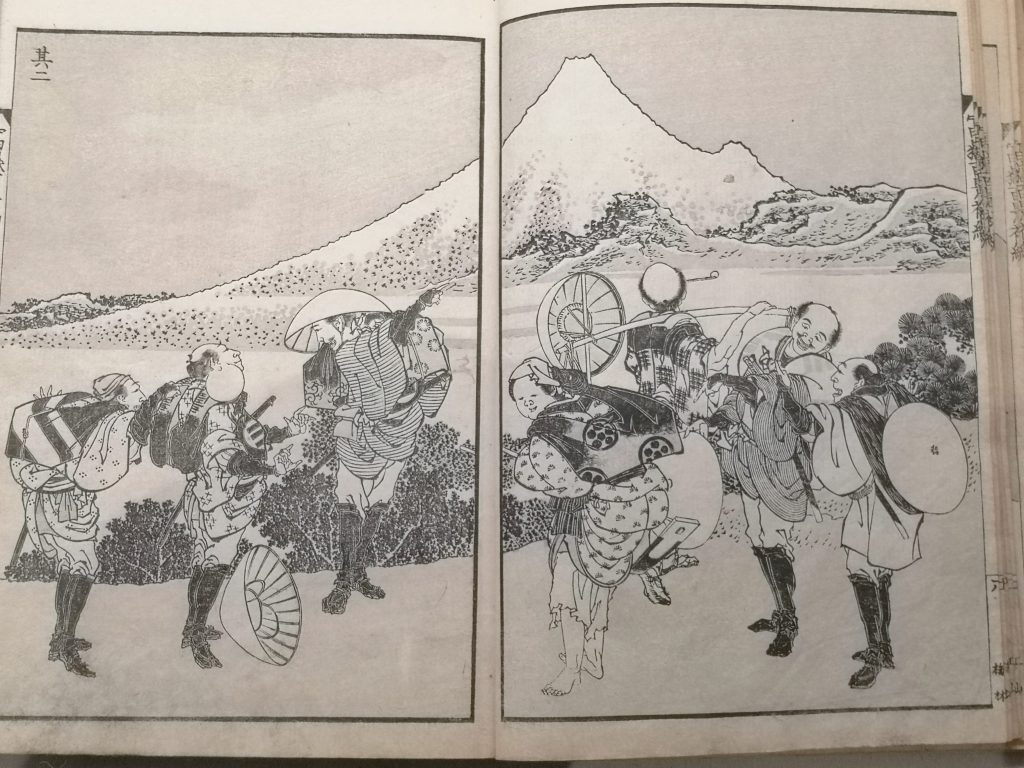
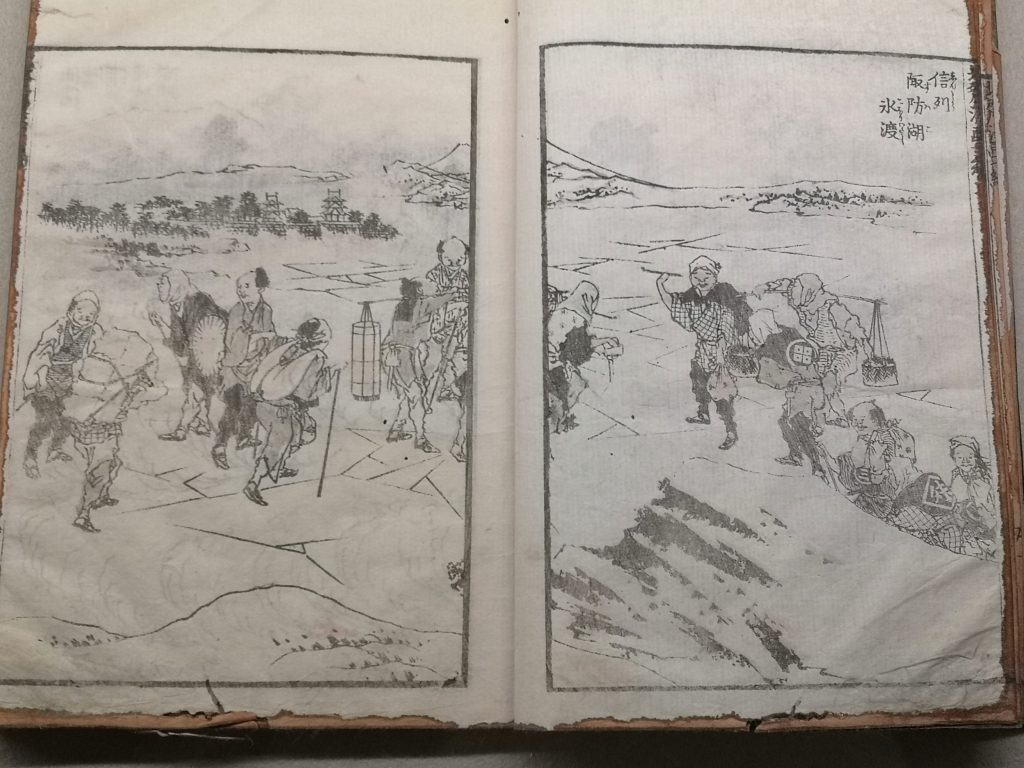
Random Drawings by Hokusai (Hokusai Manga)

The Eruption of Mount Fuji (1707) resulted in the formation of a small peak known as Mount Hoei at the mouth of the crater, Hokusaikan, Obuse-town, Nagano, 6/12/2021.

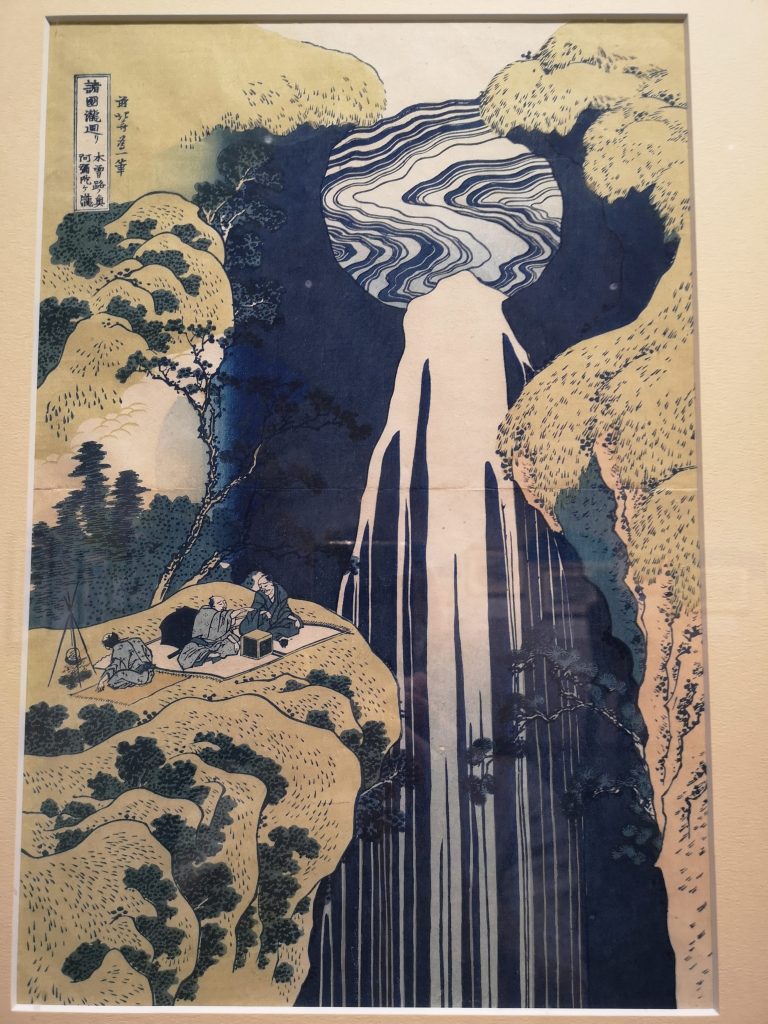
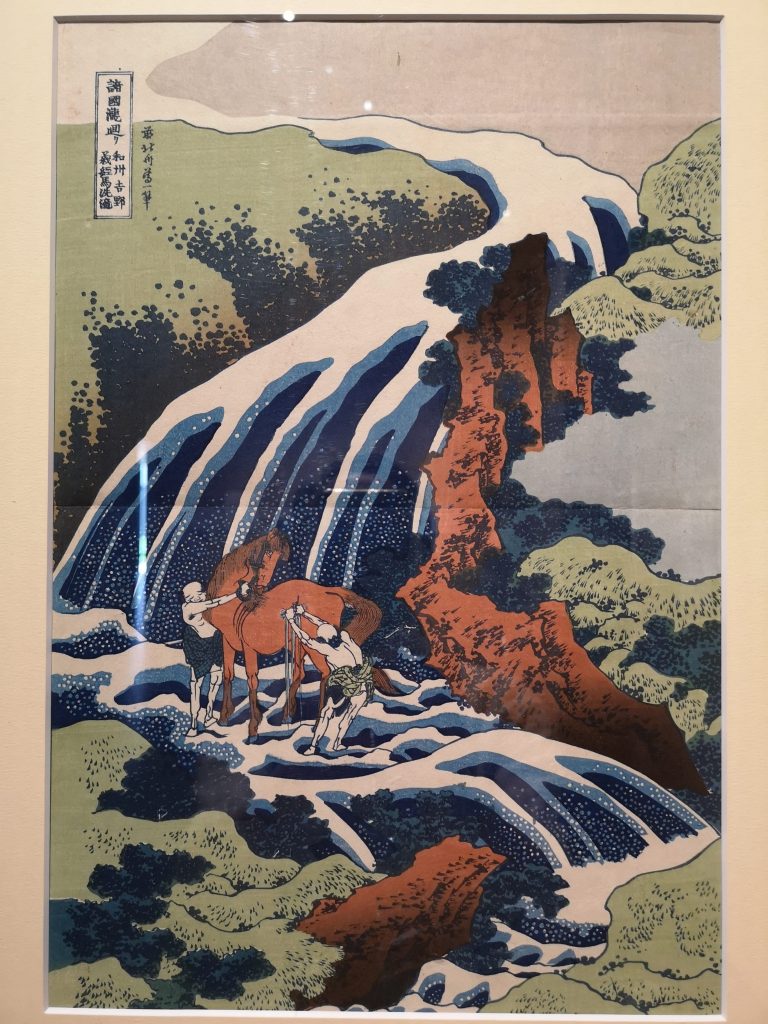
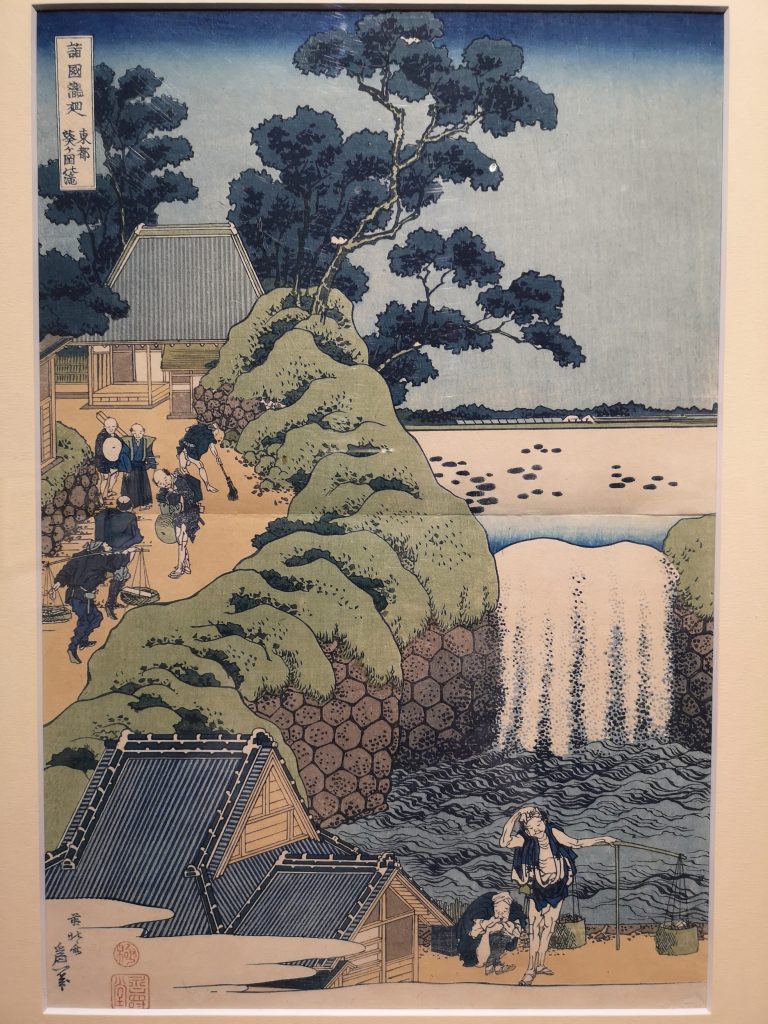
From the Tour of Waterfalls in Various Provinces

Amida Waterfalls Beyond the Kiso Road, Hokusaikan, Obuse-town, Nagano, 6/12/2021
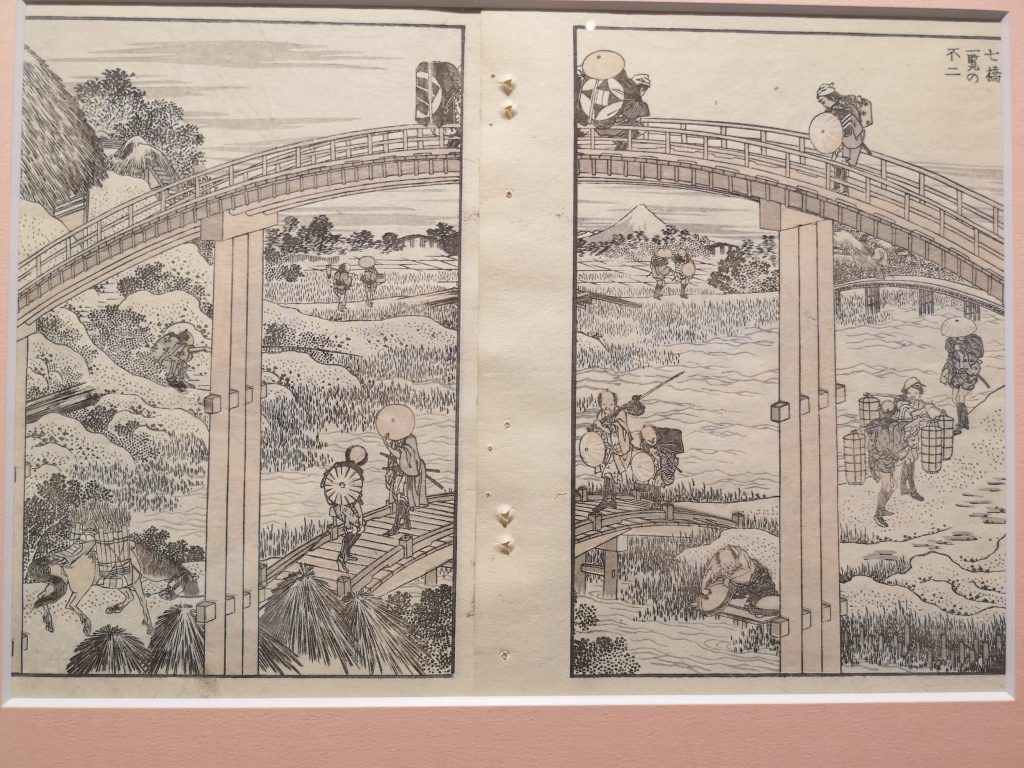
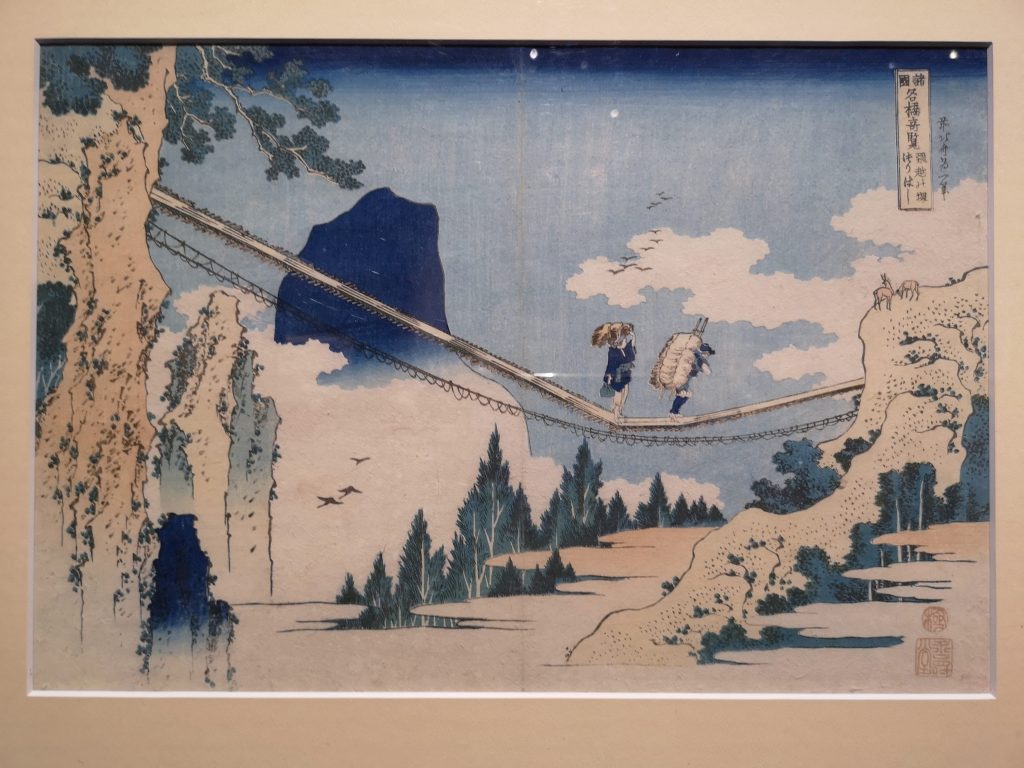
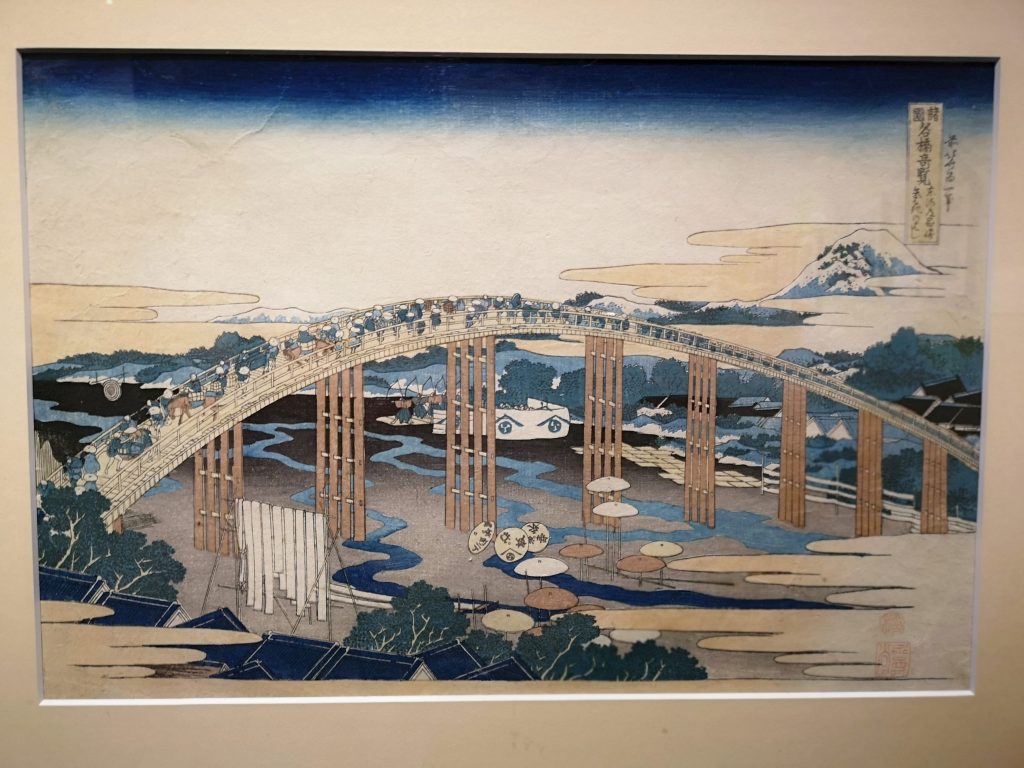
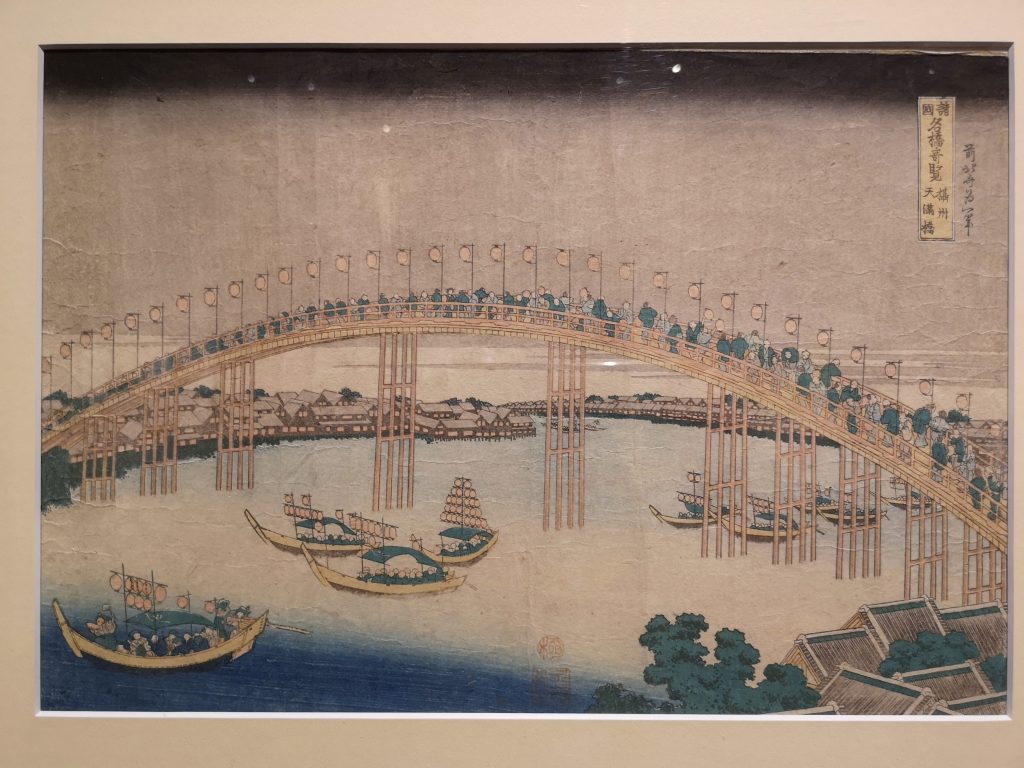
From the Unusual Views of Famous Bridges in Various Provinces

The Suspension Bridge on the Border of Hida and Etchu Provinces, Hokusaikan, Obuse-town, Nagano, 6/12/2021
Visiting Erin Temple

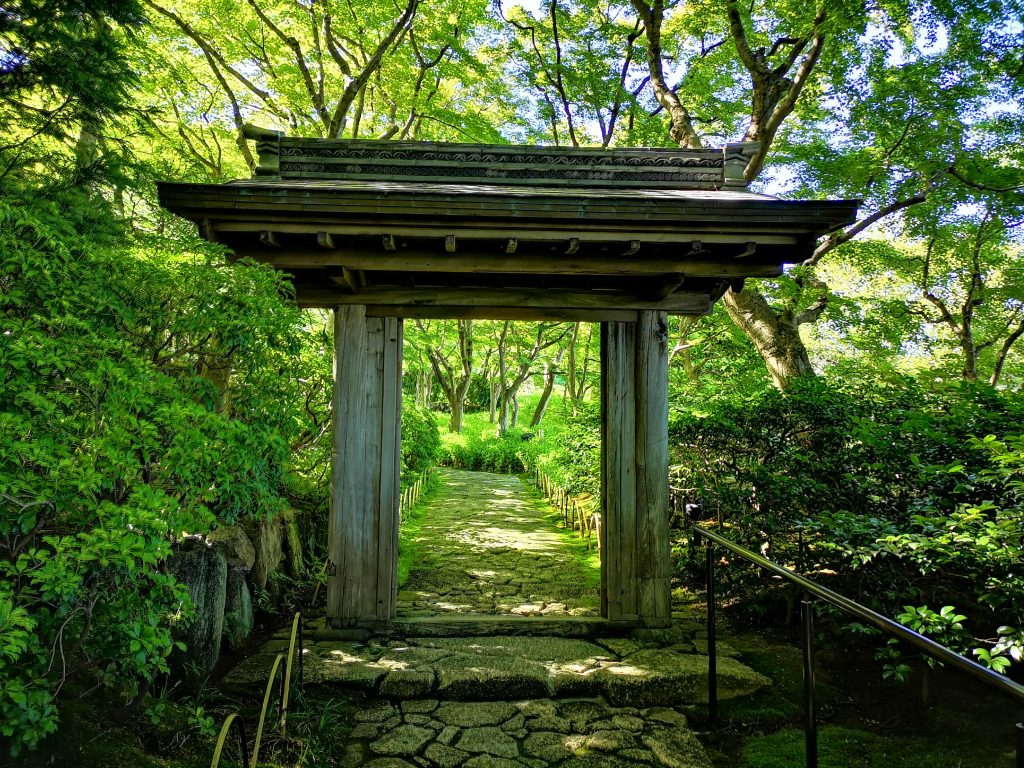
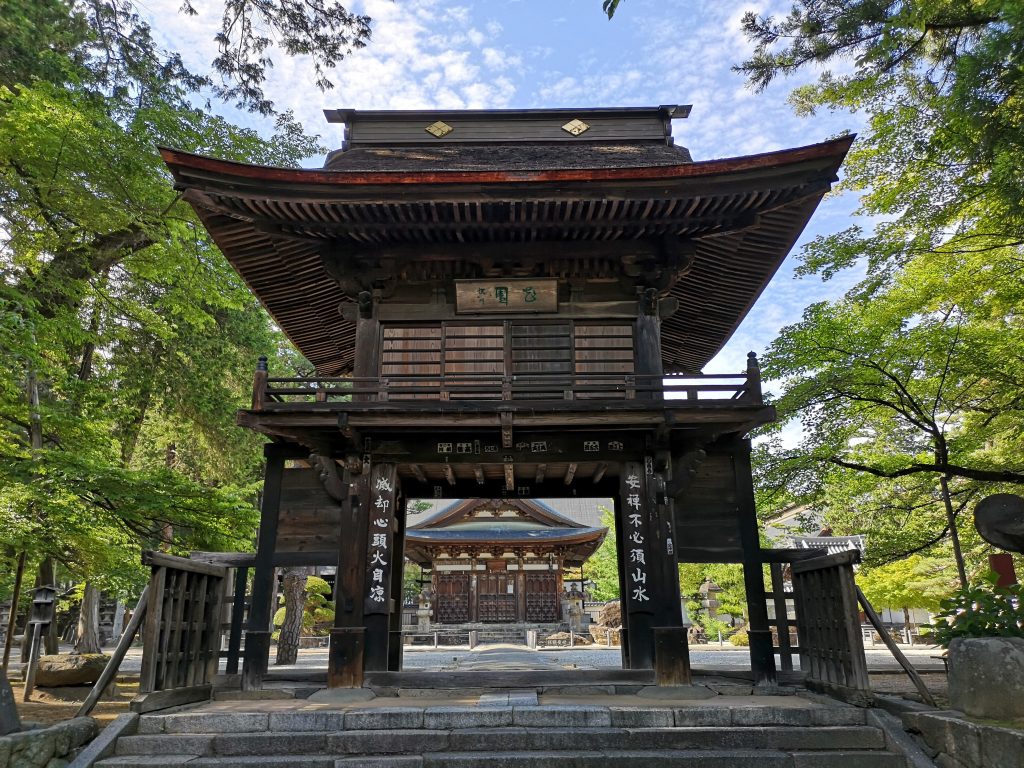
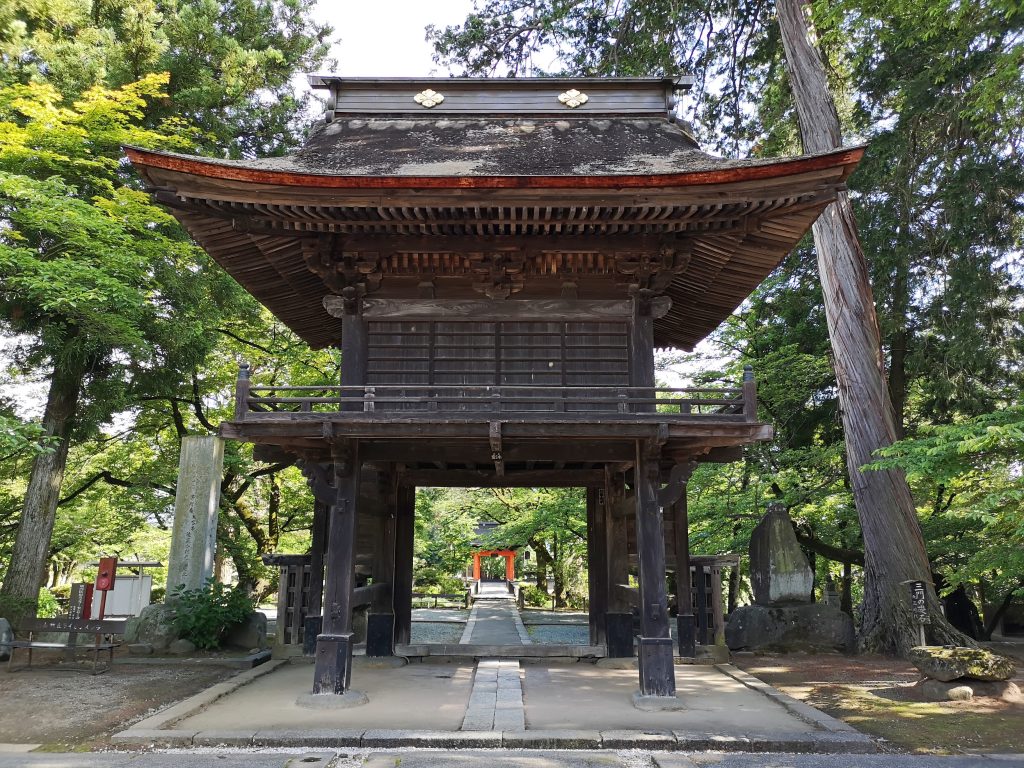
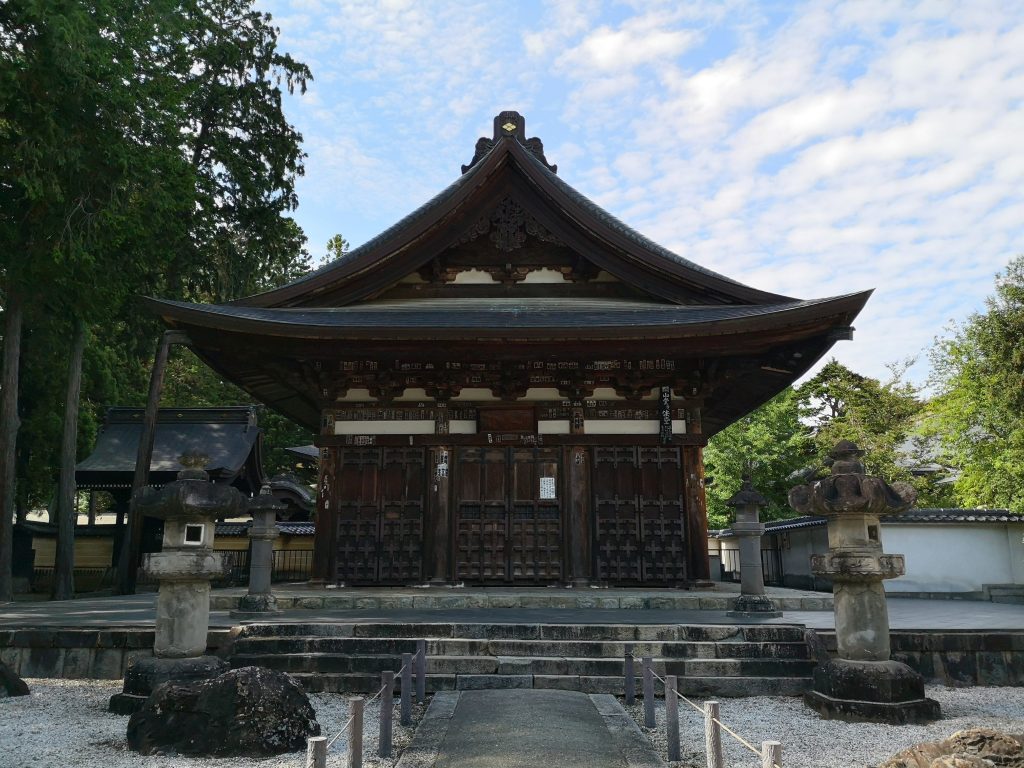
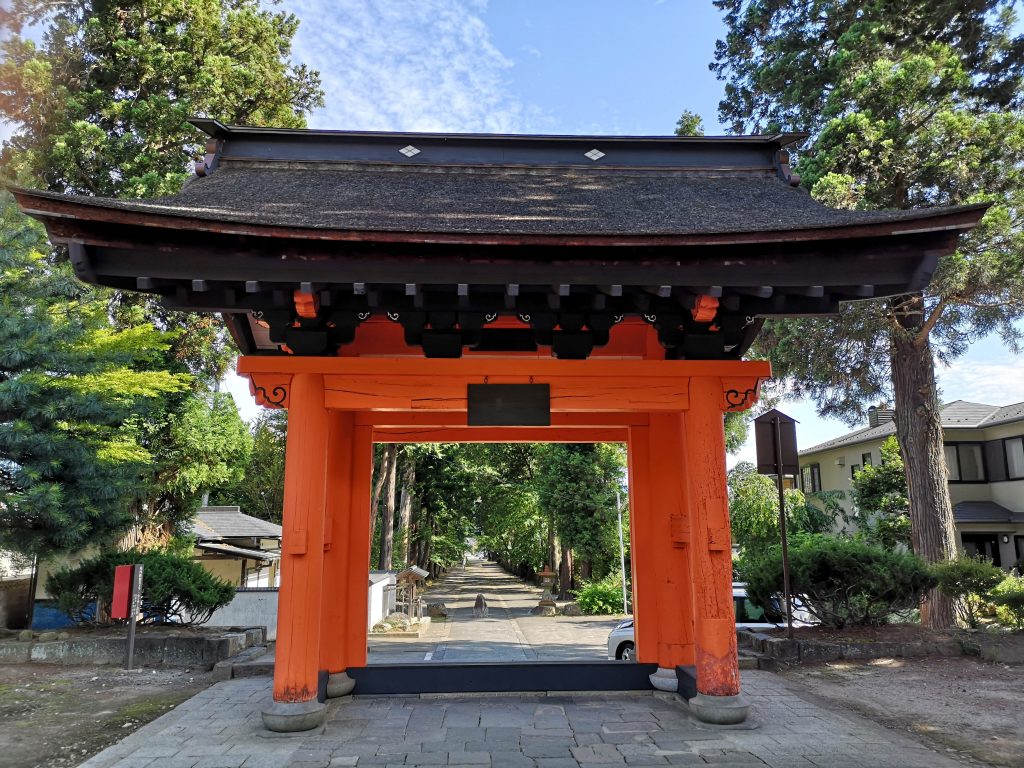
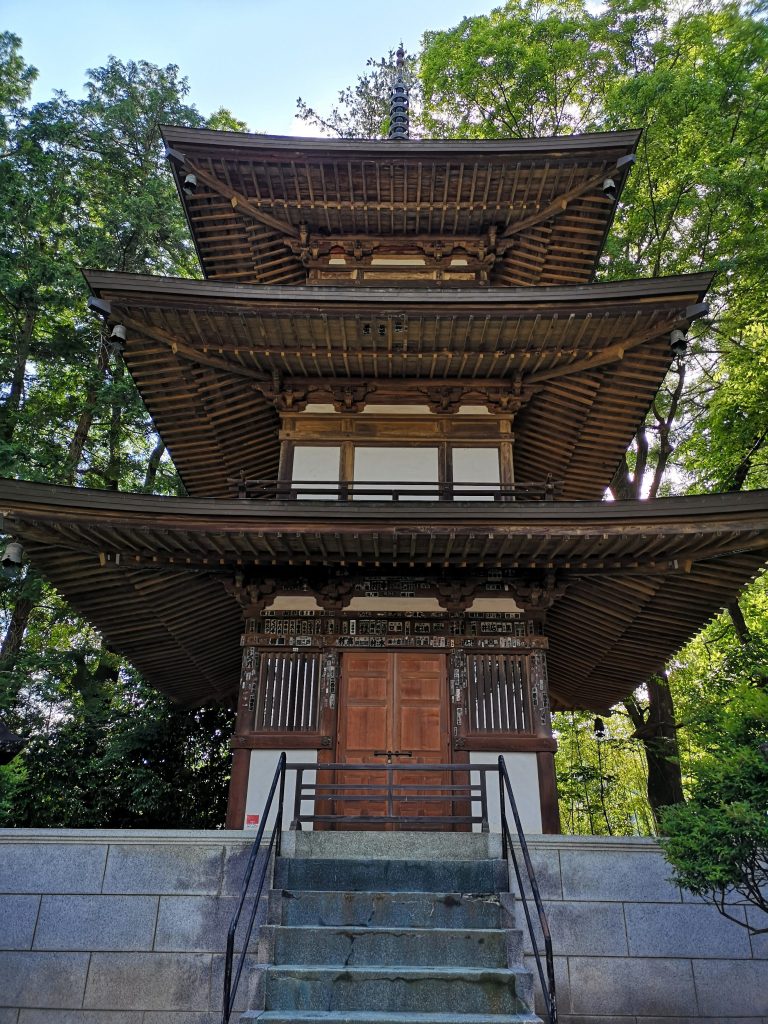
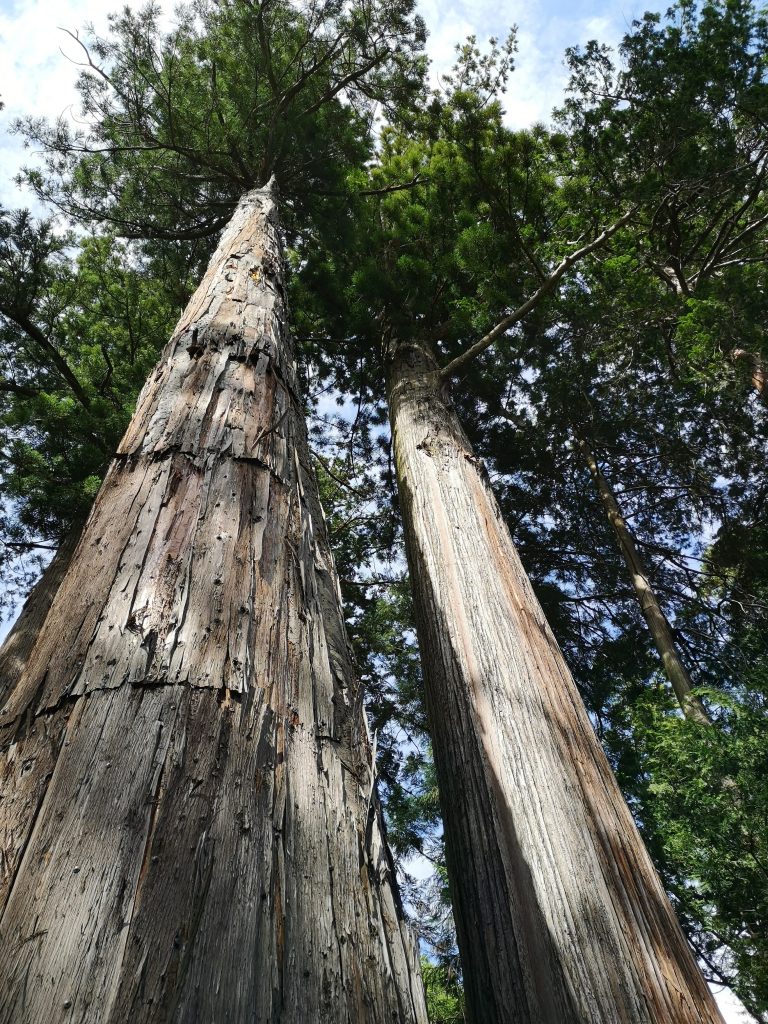
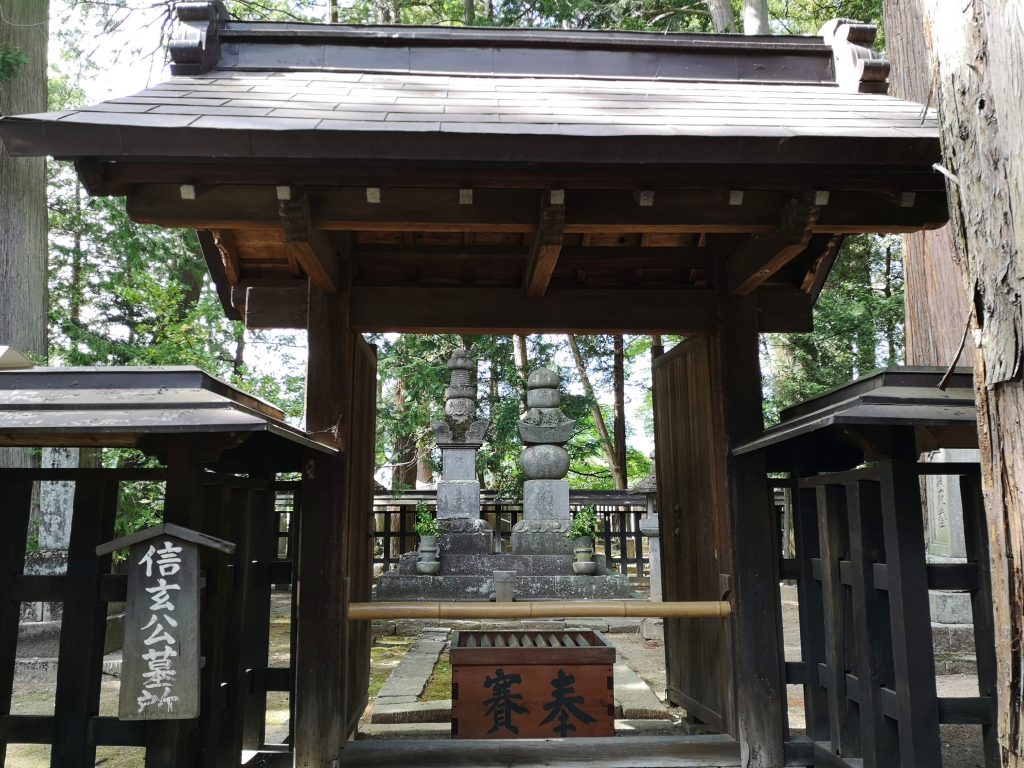
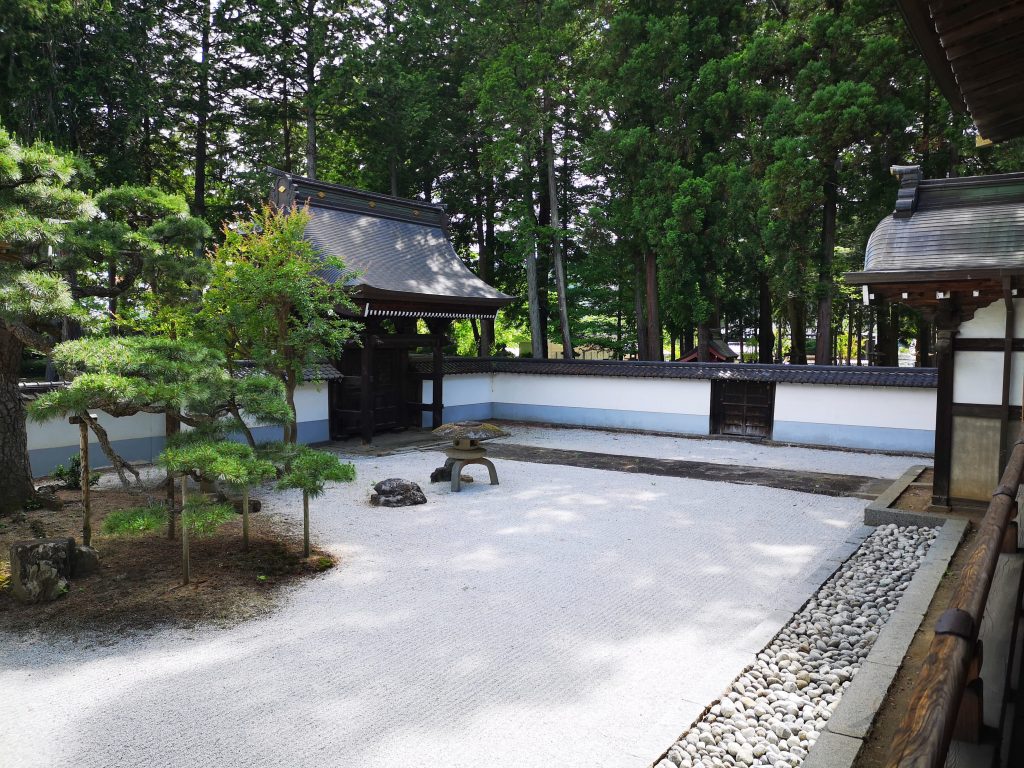
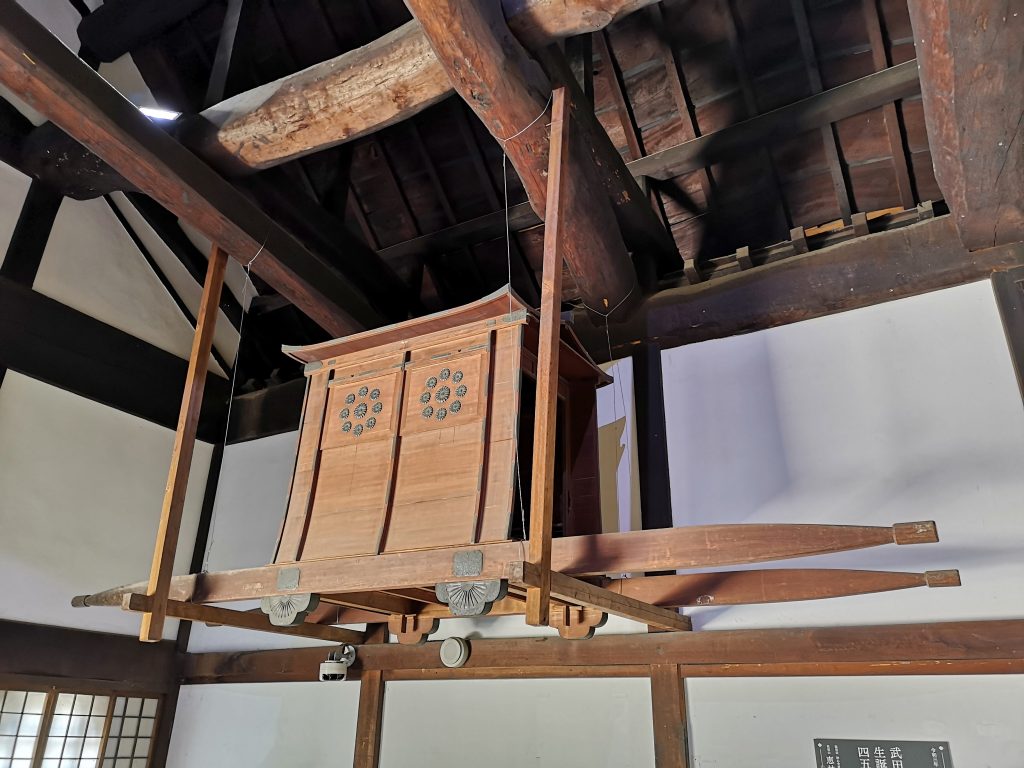
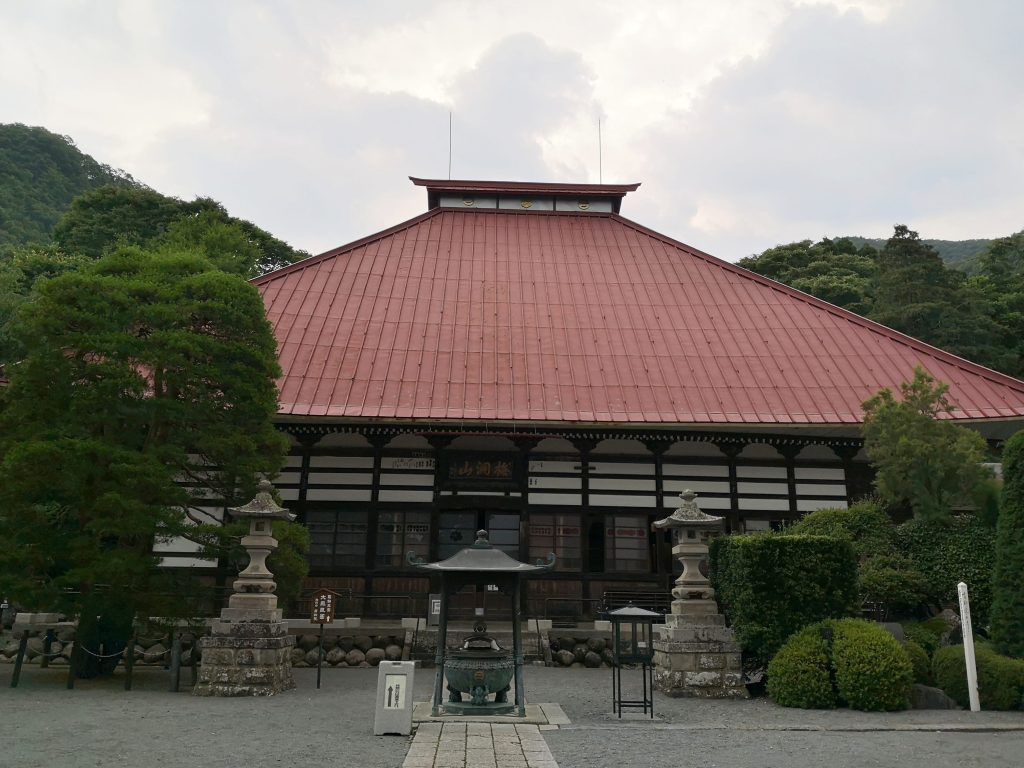
Erinji (Erin Temple) is located in the Enzan district, the city of Koshu, in Yamanashi Prefecture. It is the family temple of the Takeda clan. The temple was destroyed a couple of times because of the Onin War and the invasion of the Oda-Tokugawa alliance. Later, the temple was rebuilt and remained as the family temple of the Takeda clan. You can enjoy Shojin ryori (Buddhist vegetarian cuisine) in the restaurant by the temple entrance.