Floating Koi-nobori (Carp Streamers) In the Wind

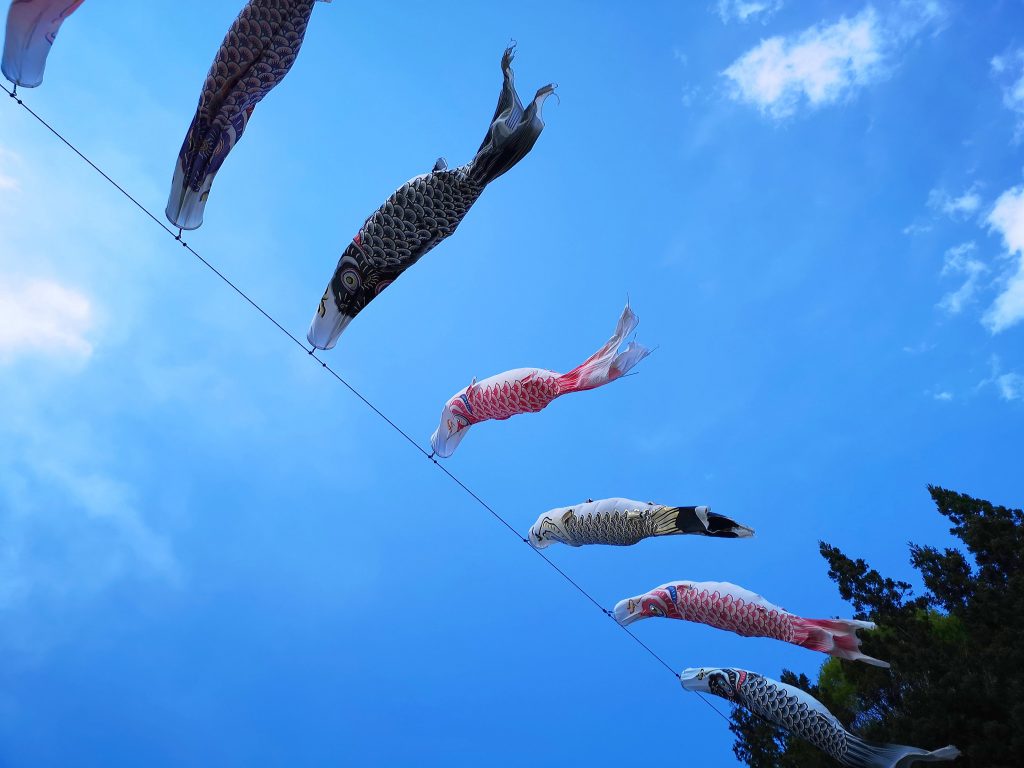
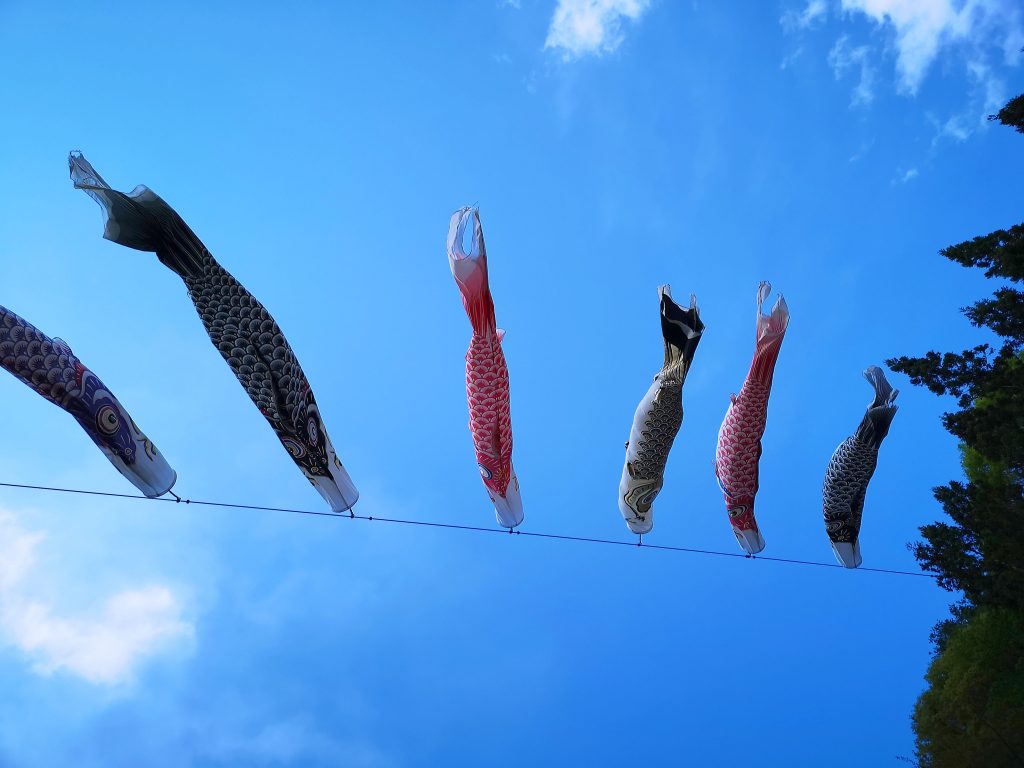
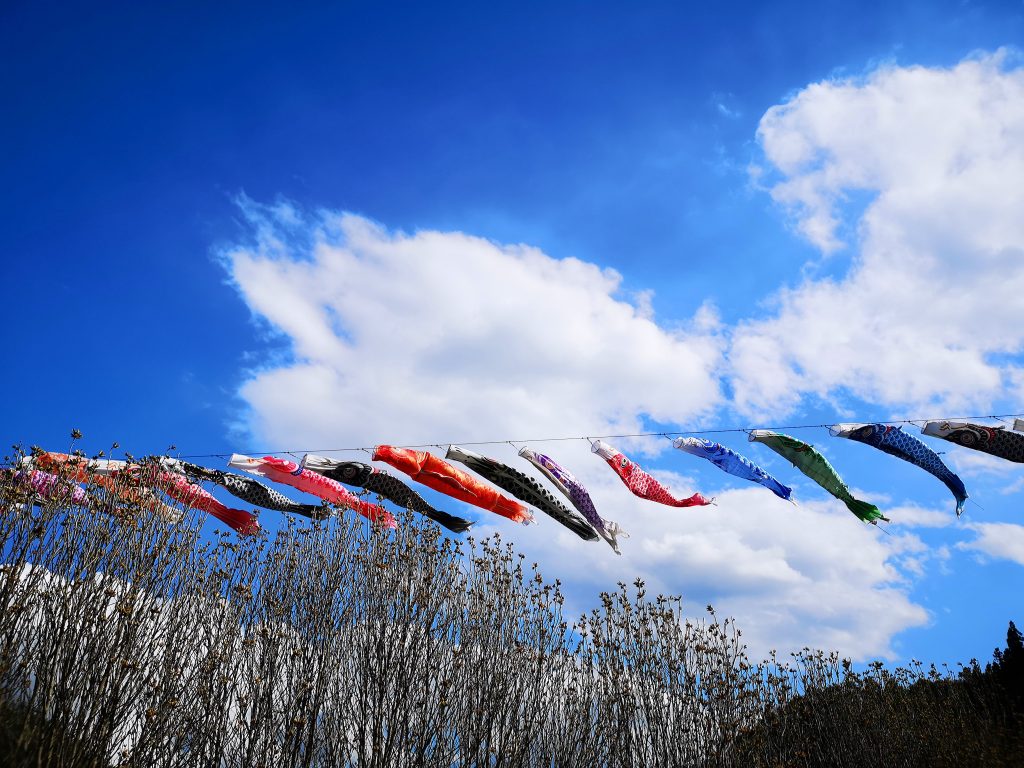
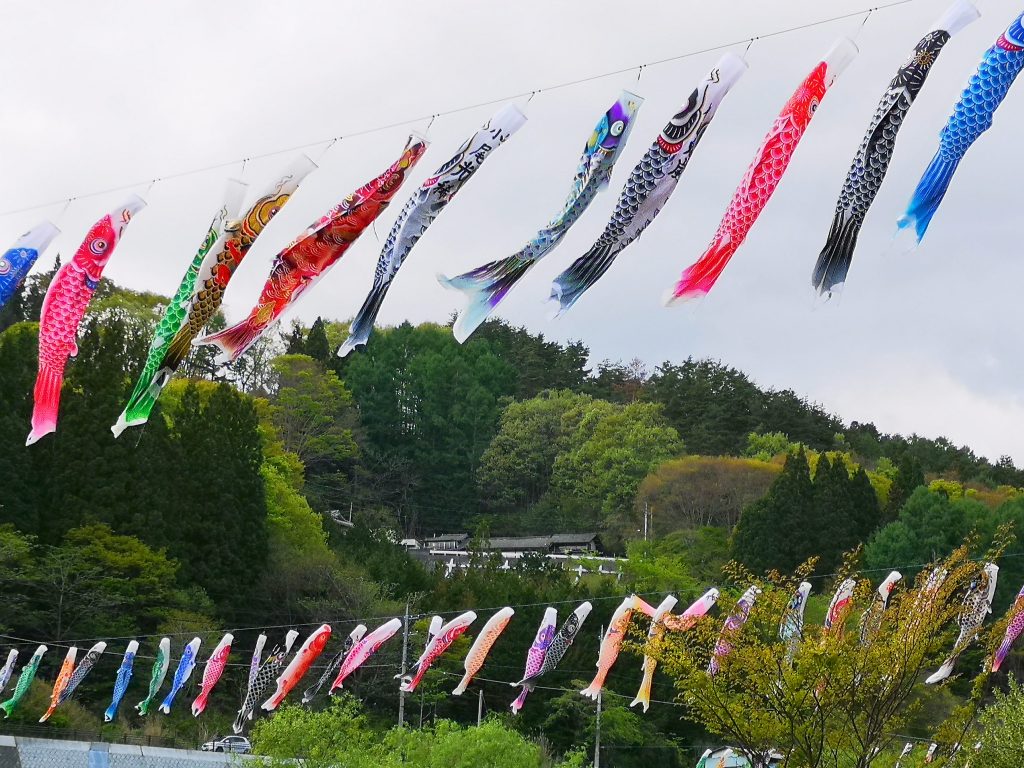
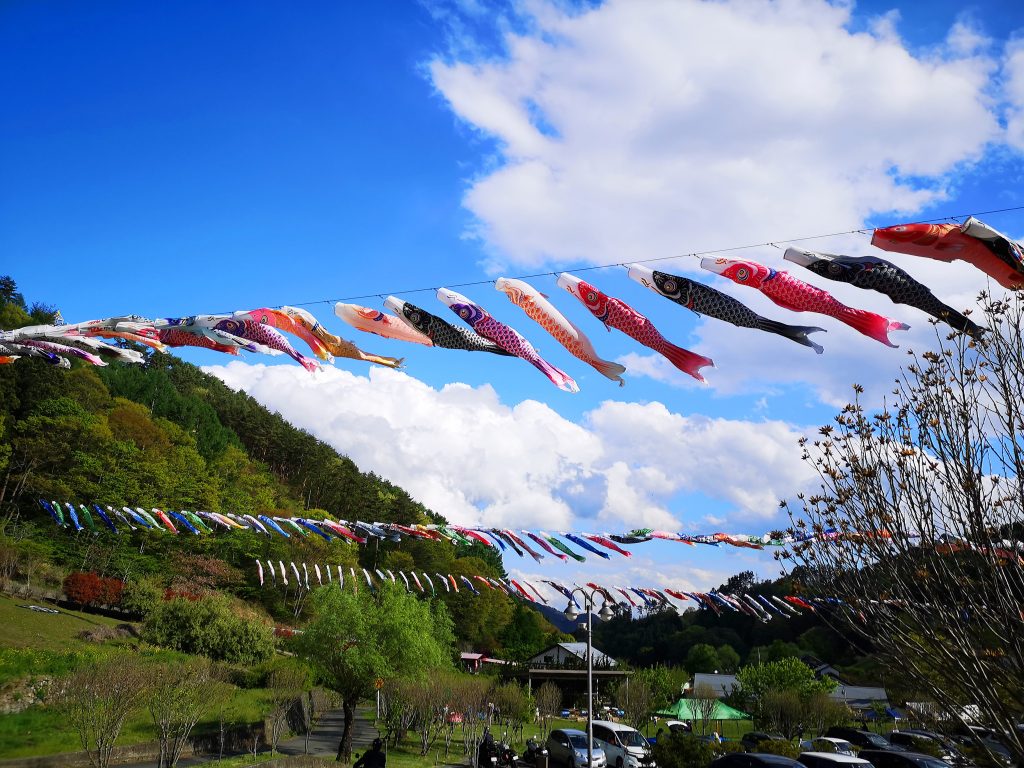
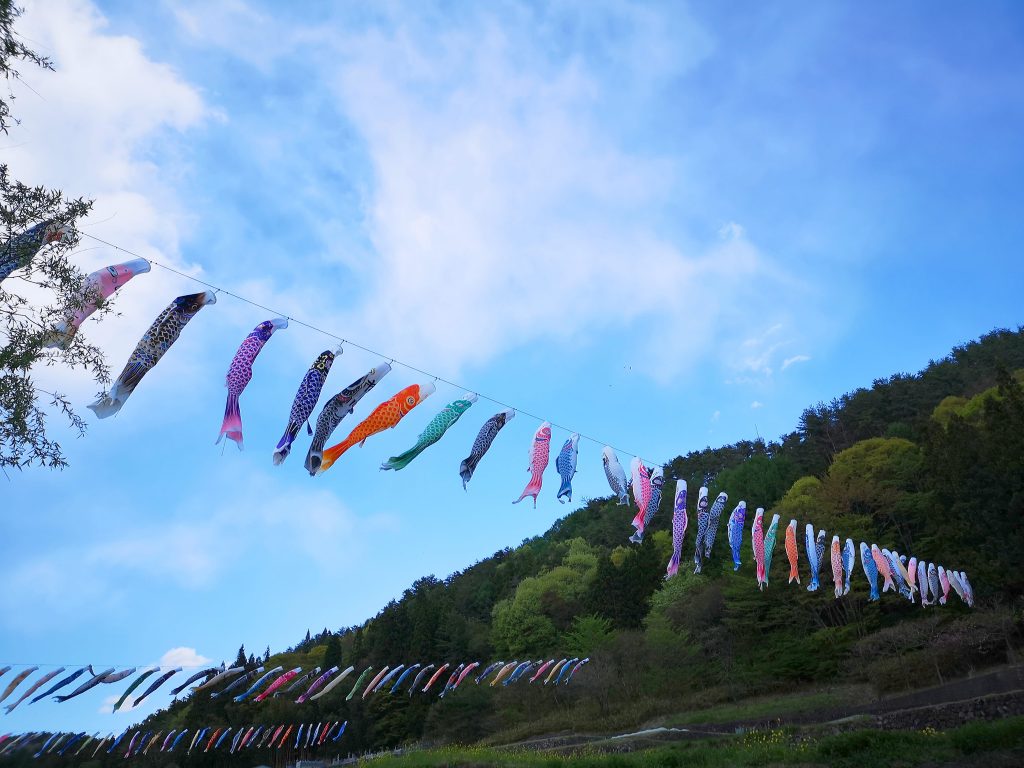
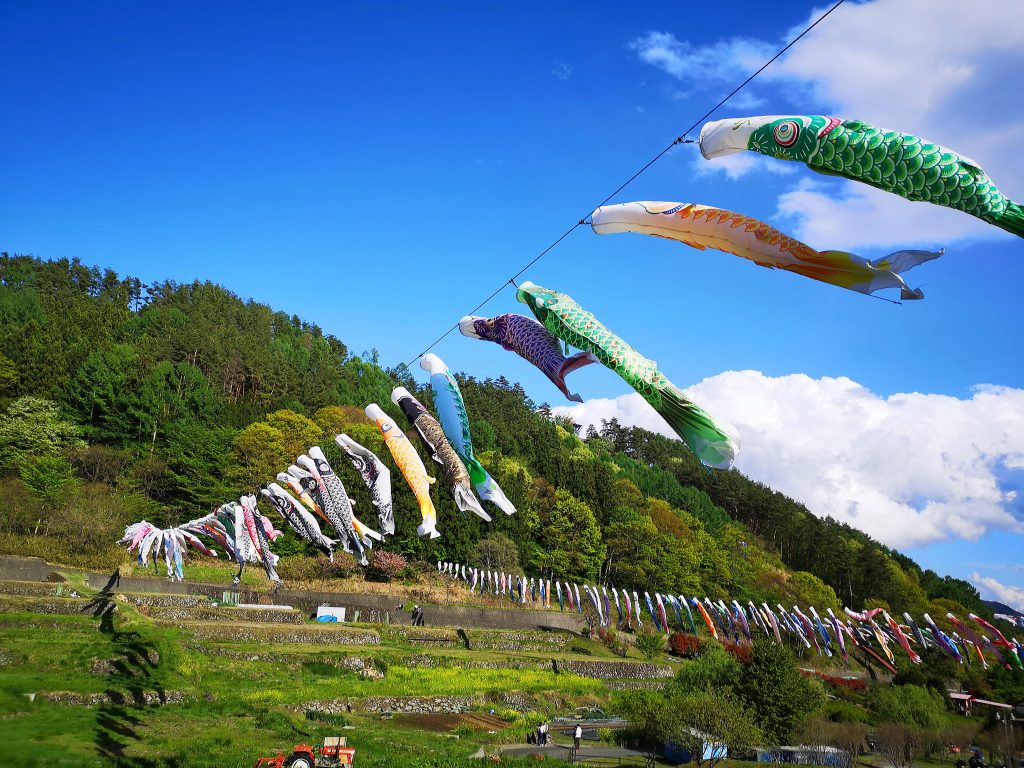
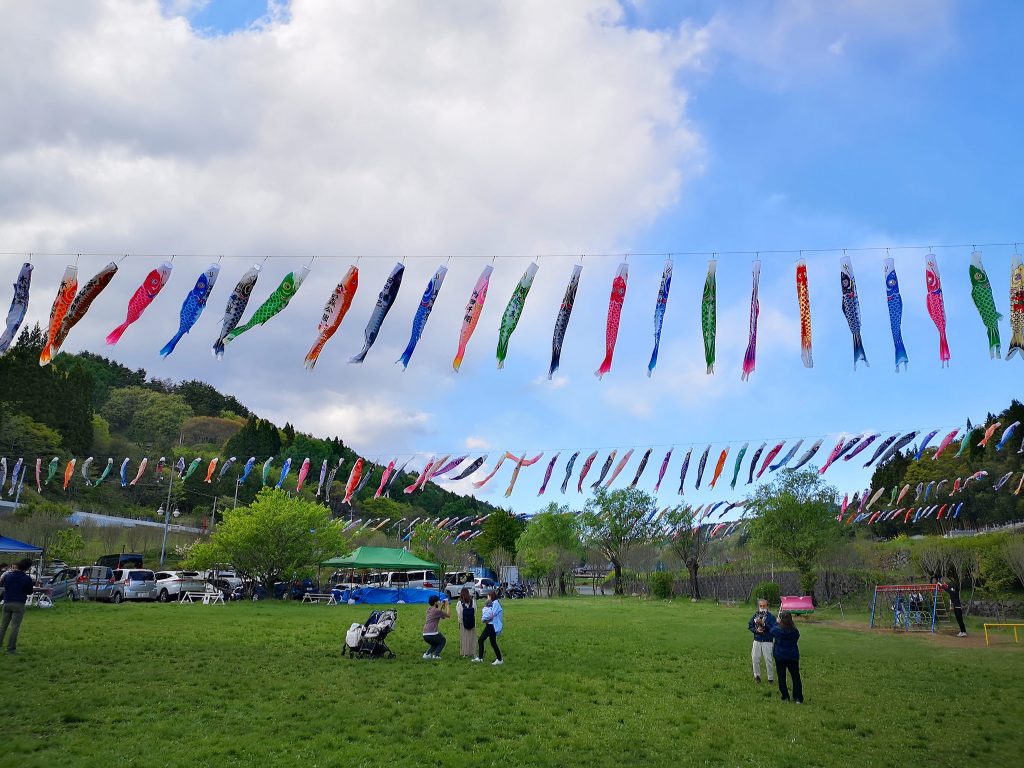
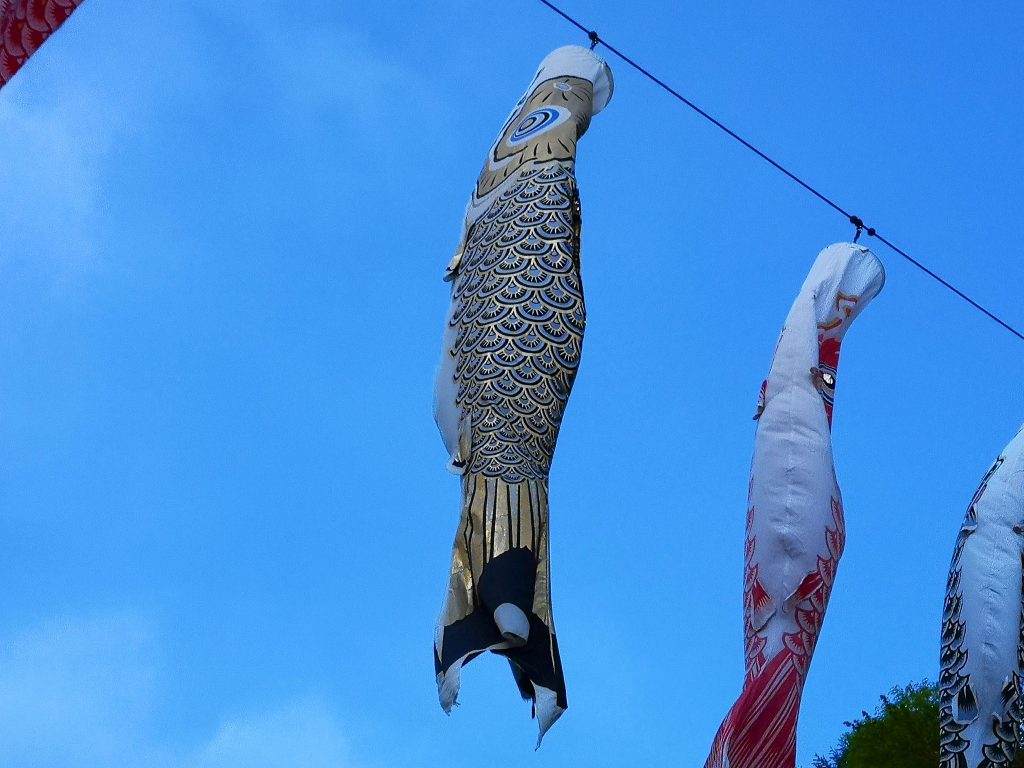
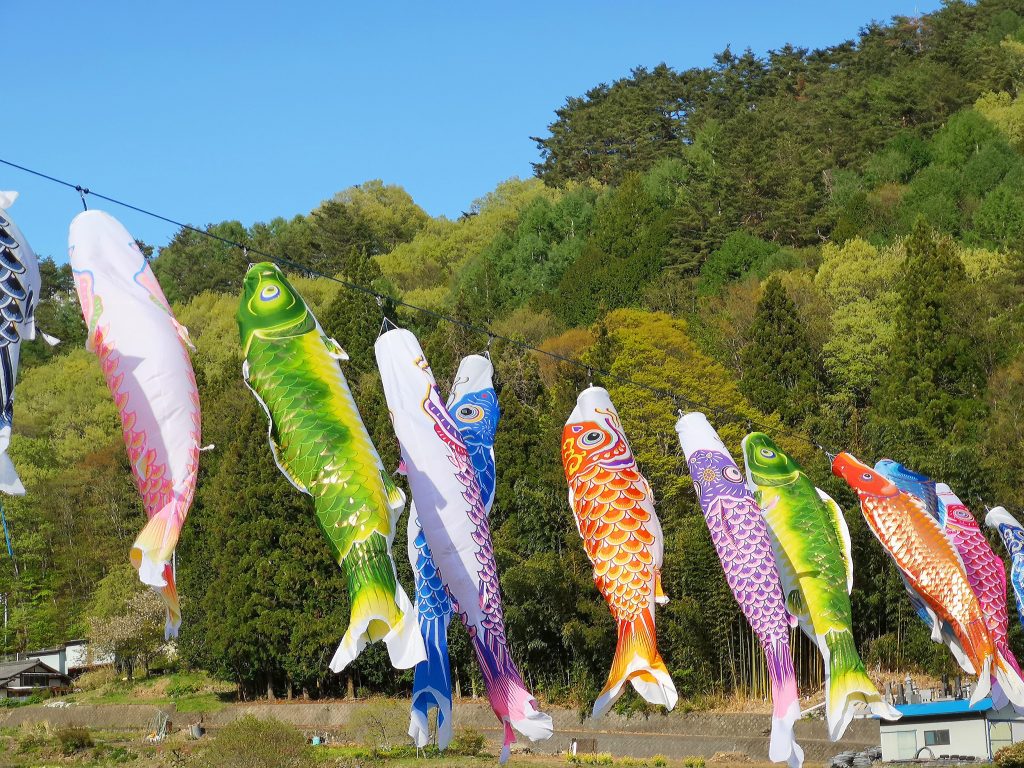
Here in the Nagasawa area in the town of Takane, the city of Hokuto, in Yamanashi Prefecture about 500 carp streamers have been floating in the wind hung on the wires over the basin (until May 7). According to a Chinese myth from the late Han Dynasty, there was a golden carp that swam up a waterfall at the end of the Yellow River and became a dragon (Li Ying, Fan Ye et al., Book of Later Han, Chapter 67). So, the carp represents a powerful symbol of perseverance and achieving one’s ambitions in China. There could be about 500 dragons floating in the dirk sky tonight.
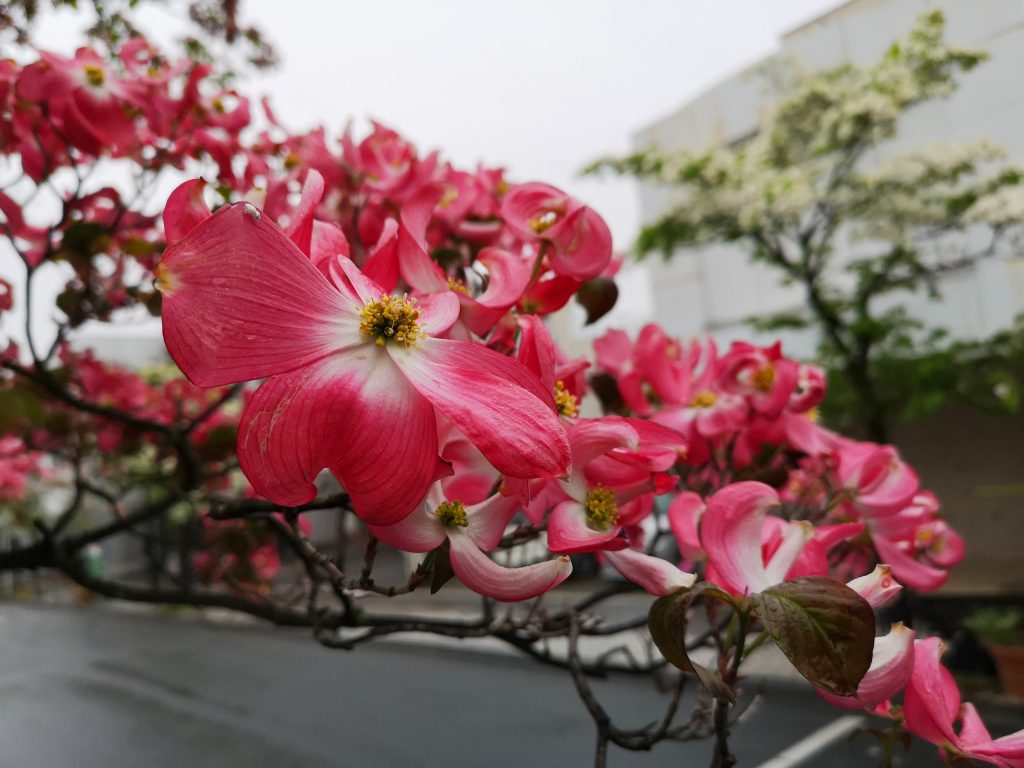
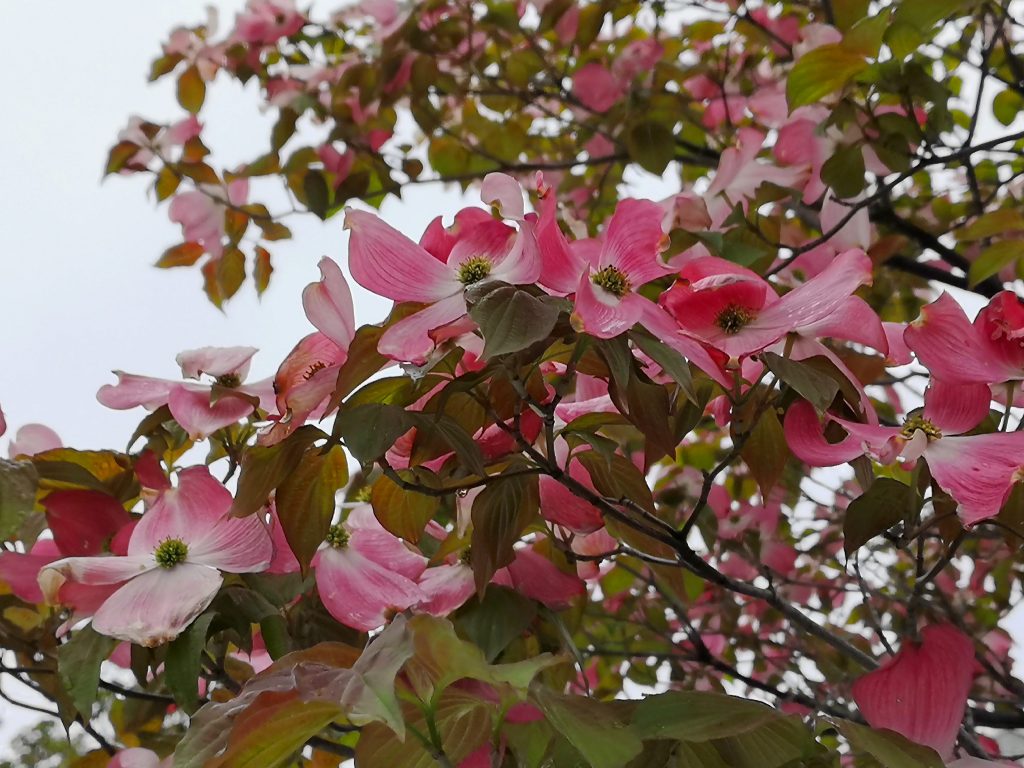
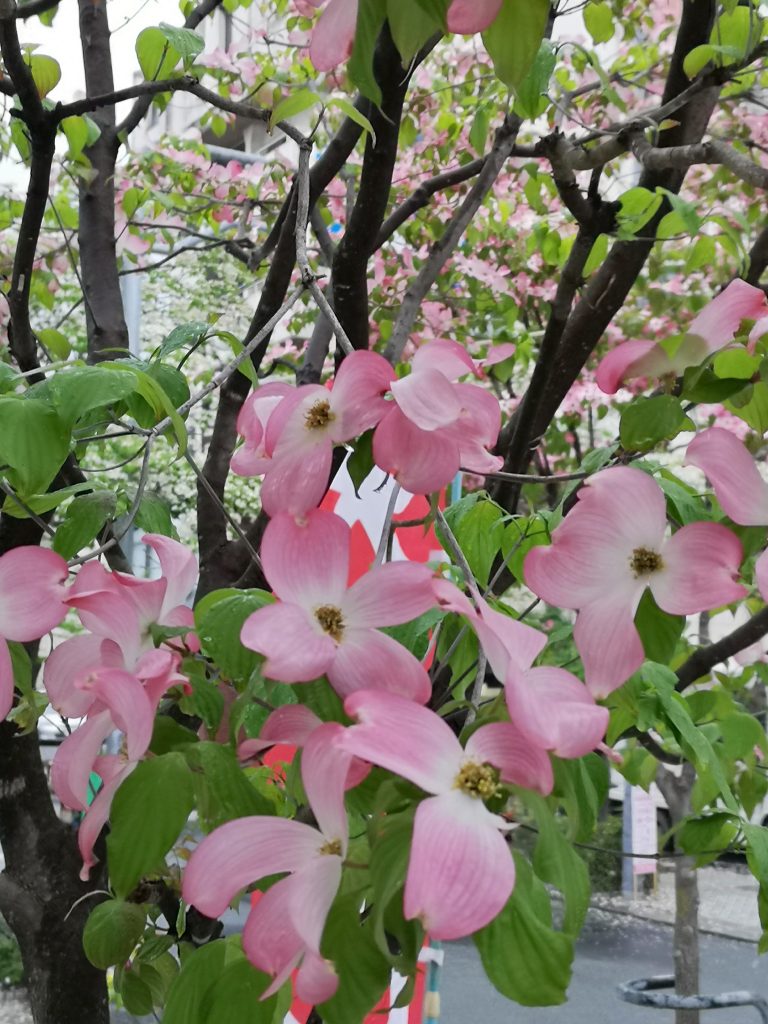
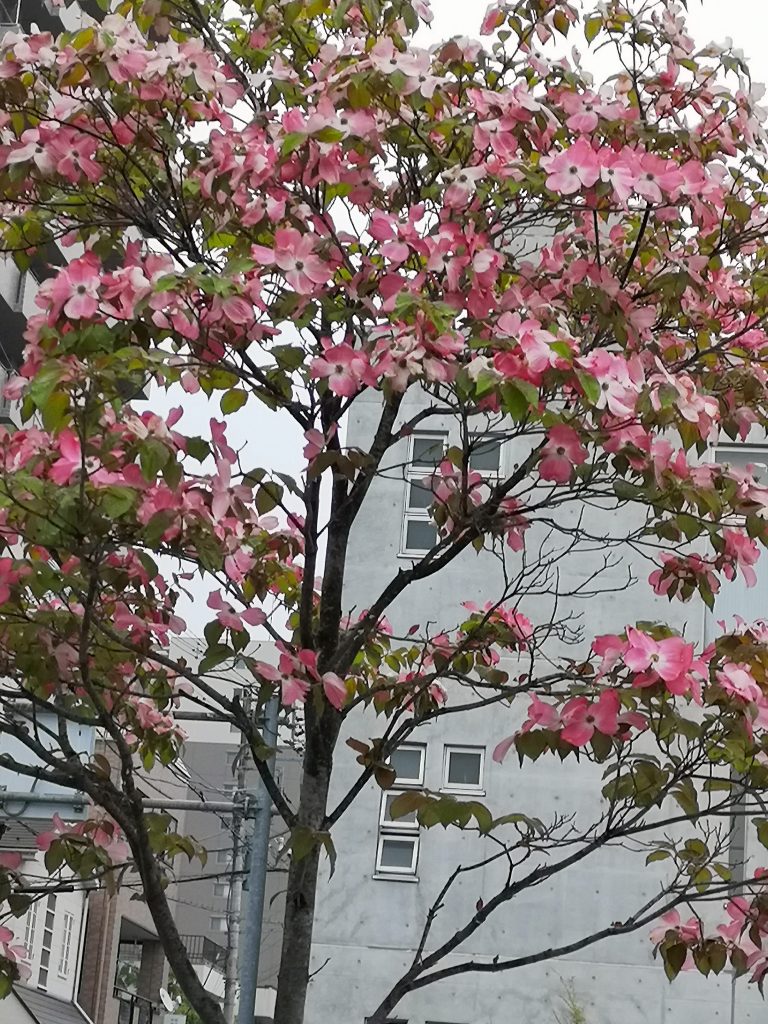
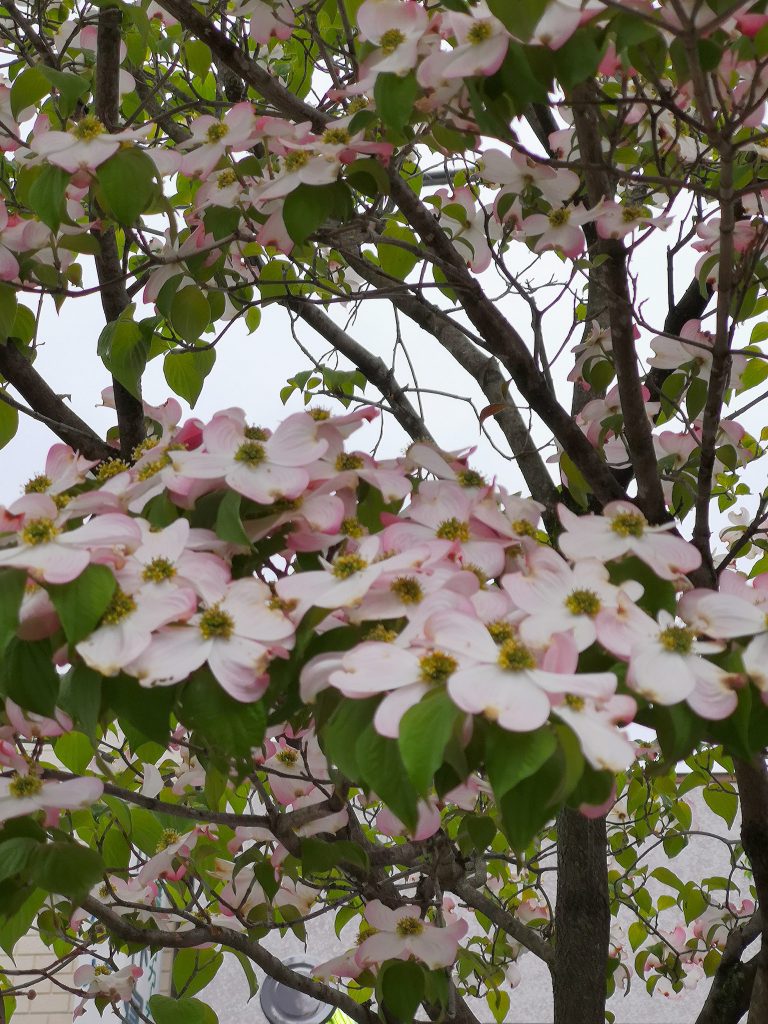
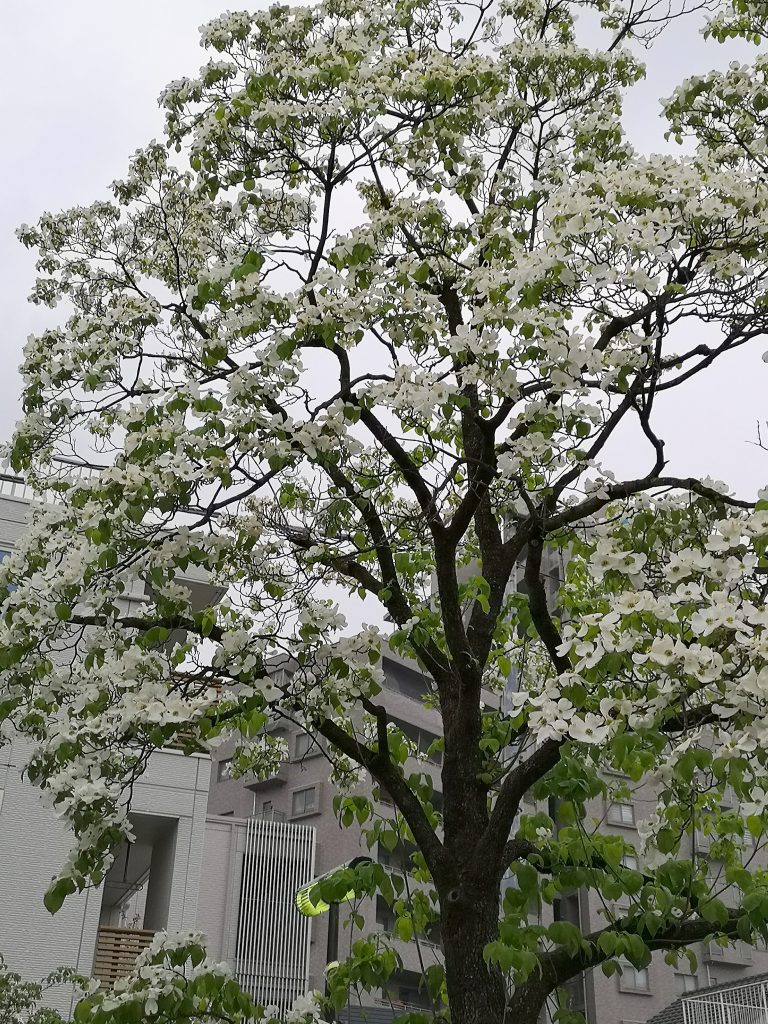
Hanamizuki (Flowering Dogwood)

Cornus florida, the flowering dogwood, is a species of flowering trees native to eastern North America and northern Mexico. Flowering dogwood is a popular tree species chosen for gardens, landscapes and roadsides. There are a lot of roadsides planted with flowering dogwood trees in Japan. Asahi Street in the city of Kofu in Yamanashi Prefecture is also known for its flowering dogwood trees. Even the Flowering Dogwood Festival is held in the street every year. The trees were planted earlier than the ones in other streets in Yamanashi Prefecture, so they are tall.

It has been known that the mayor of Tokyo, Yukio Ozaki, gave the United States 3,000 cherry blossom trees to the city of Washington D.C. in 1912, and then the US government reciprocated with a gift of flowering dogwood trees to Japan in 1915. Since then, the species has been spread throughout Japan.

Eating Locally Grown Food

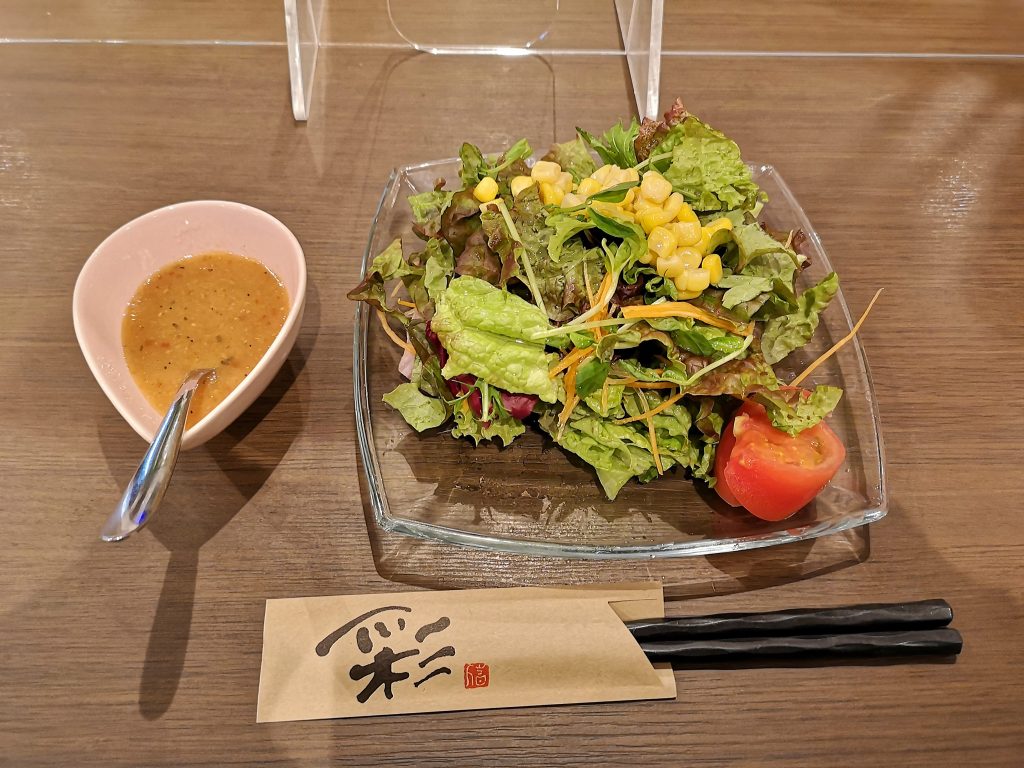
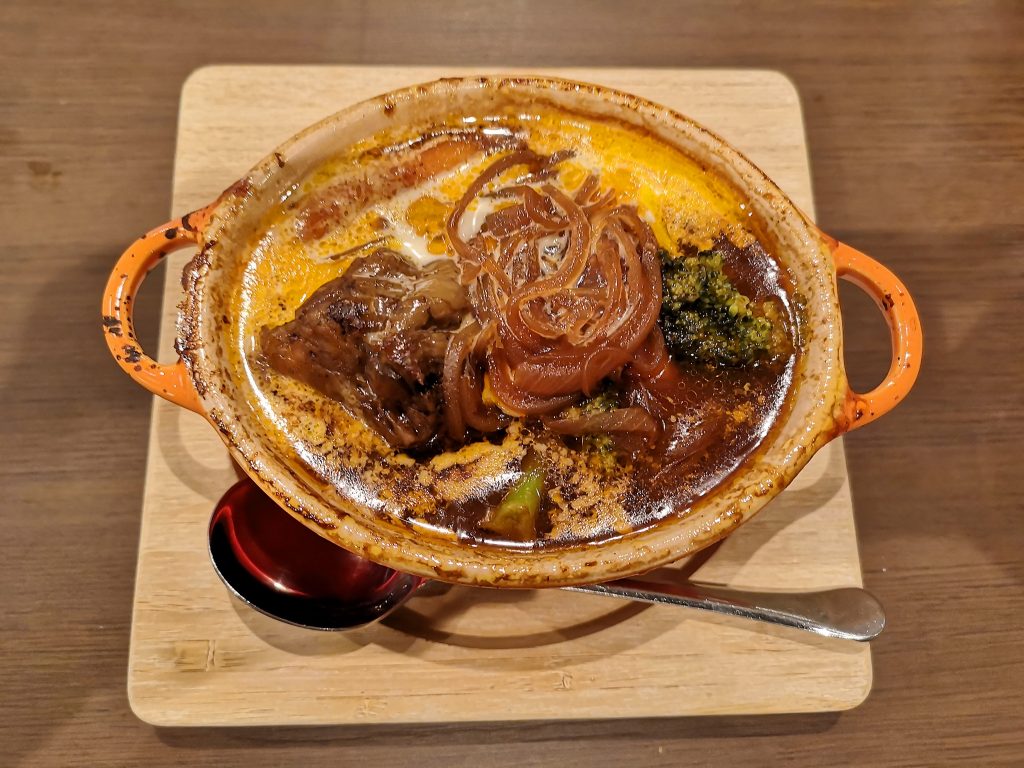
It is important to eat locally grown produce and foods as much as you can, except those you cannot obtain locally. Locally grown food is usually fresher, tastier and more nutritious than non-local food. It is a key element of sustainable agriculture and may eventually be good for the environment.
FYI: Local food (http://en.wikipedia.org/wiki/Local_food); SQUARE MILE FARMS_ Food for Thought: What are the benefits of eating locally grown food?; Michigan State University: 7 benefits of eating local foods; McGill University: The benefits of eating local foods.
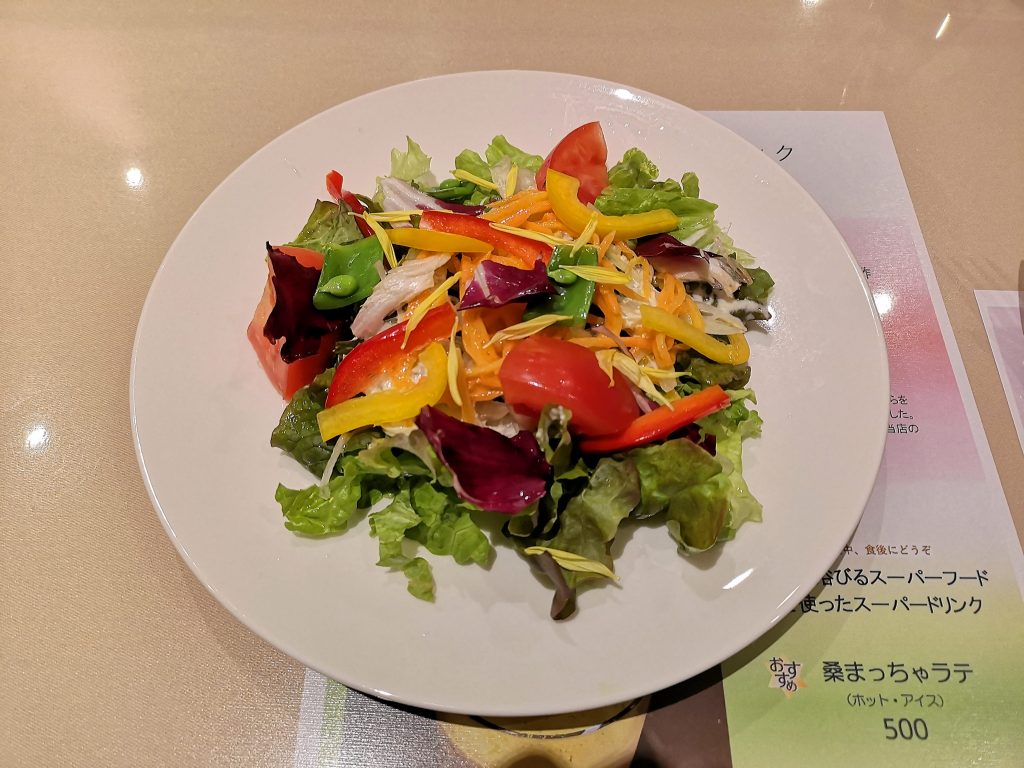
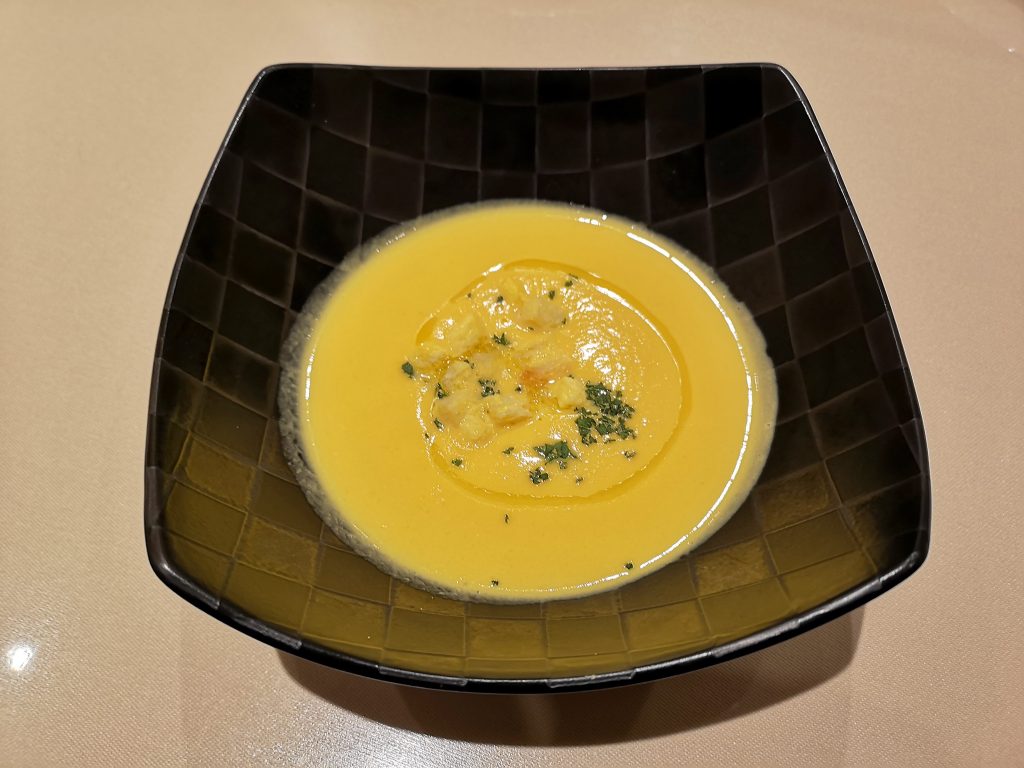
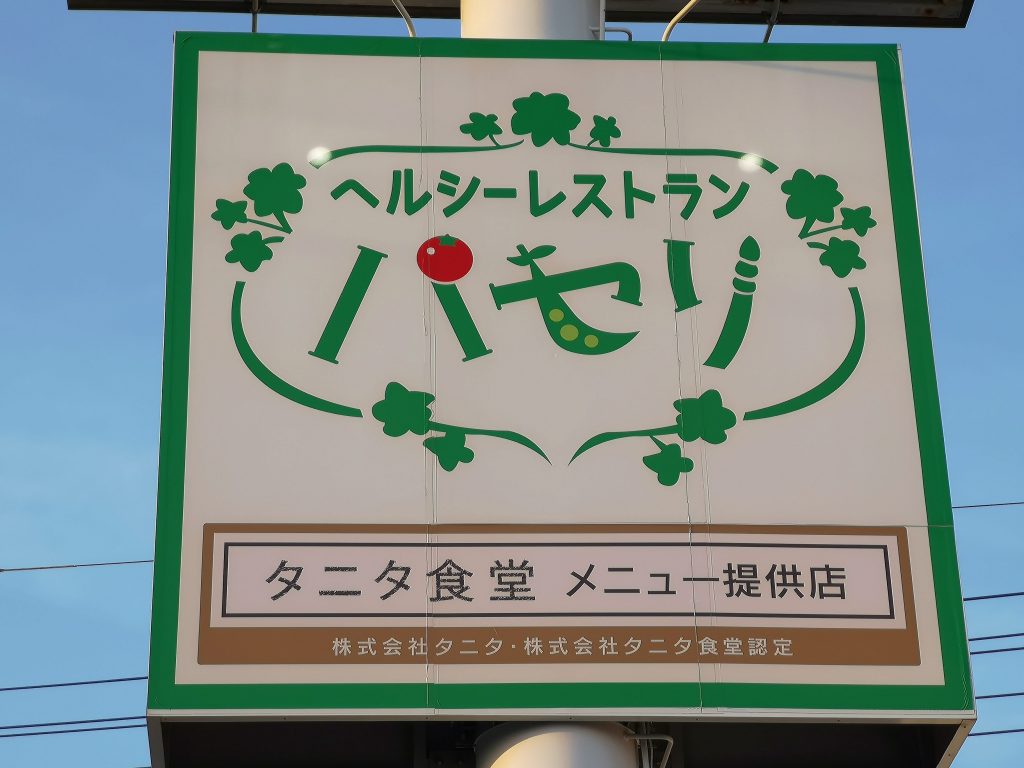
Cooked using locally produced vegetables, Healthy Restaurant Parsley, Kofu-city, Yamanashi, 03/31/2022

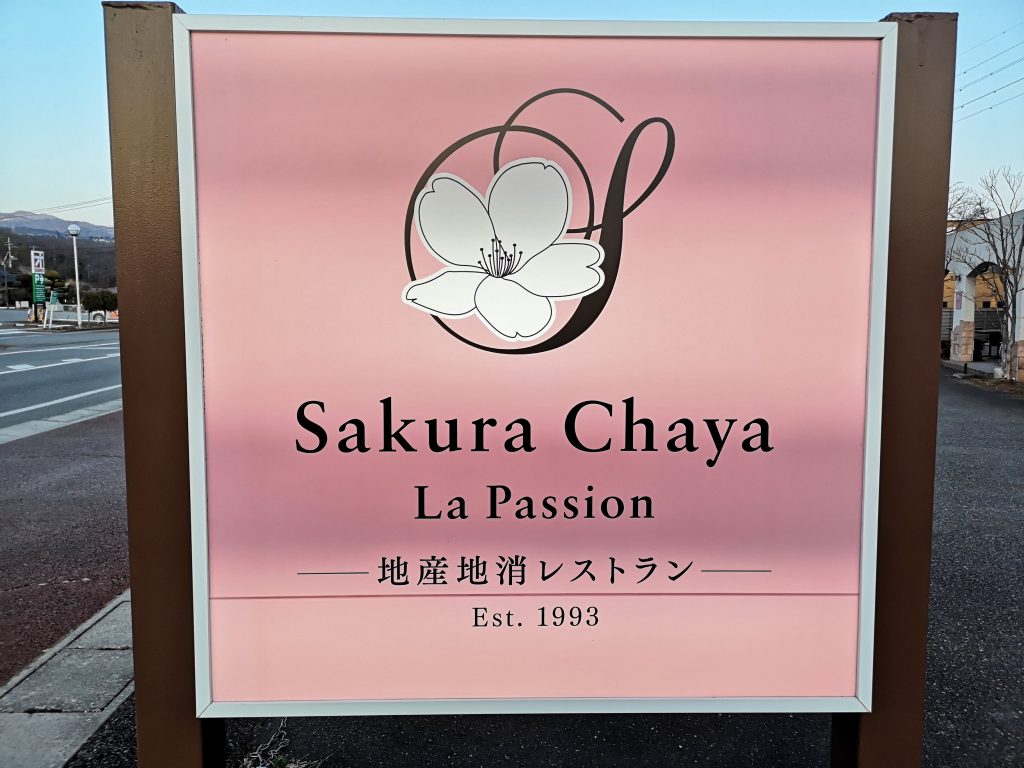
Cooked using locally produced vegetables, Sakura Chaya, Nirasaki-city, Yamanashi, 03/23/2022

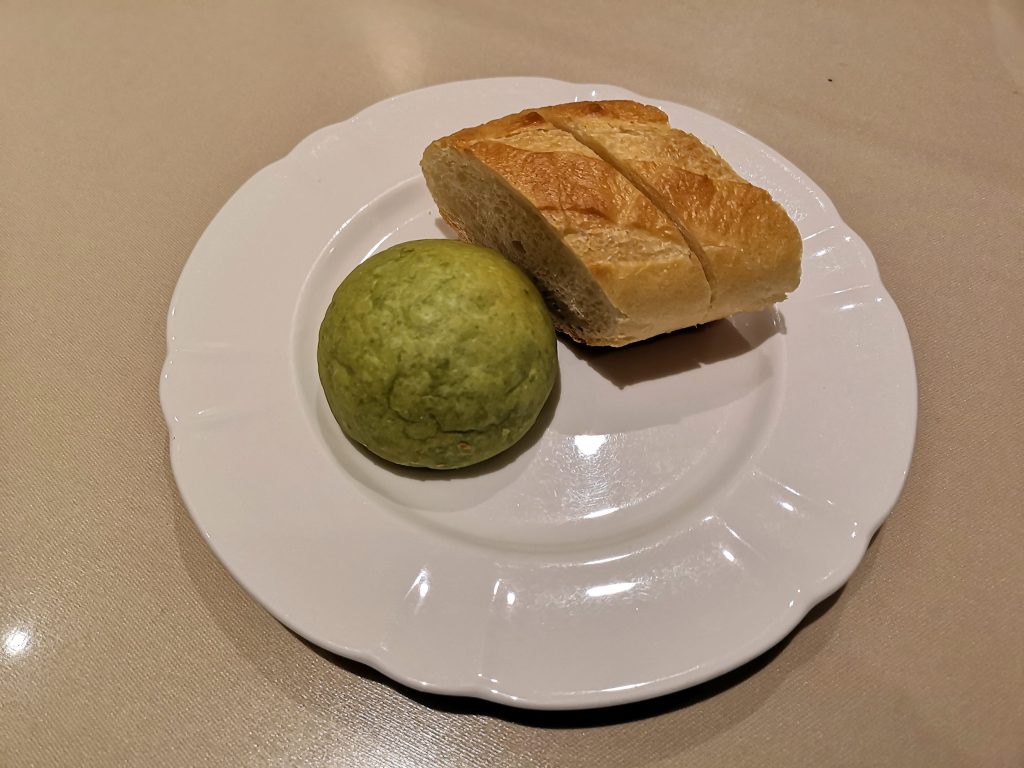
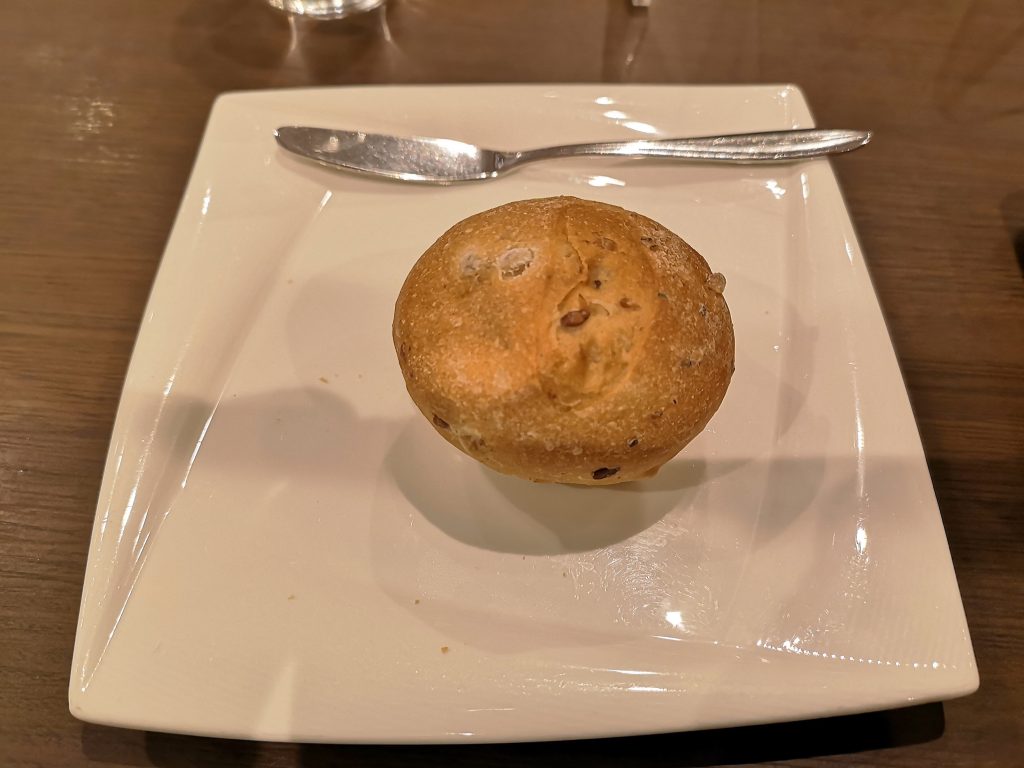
Baked using domestically produced mulberry and crops, Sakura Chaya and Healthy Restaurant Parsley, Yamanashi, 03/31/2022

Sakura Chaya, Nirasaki (http://www.sakurachaya-lapassion.com) and Healthy Restaurant Parsley, Kofu-city (https://inavi.heteml.net/paseri/), Yamanashi, 04/06/2022

Oshino Hakkai _ Oshino Eight Spring Ponds

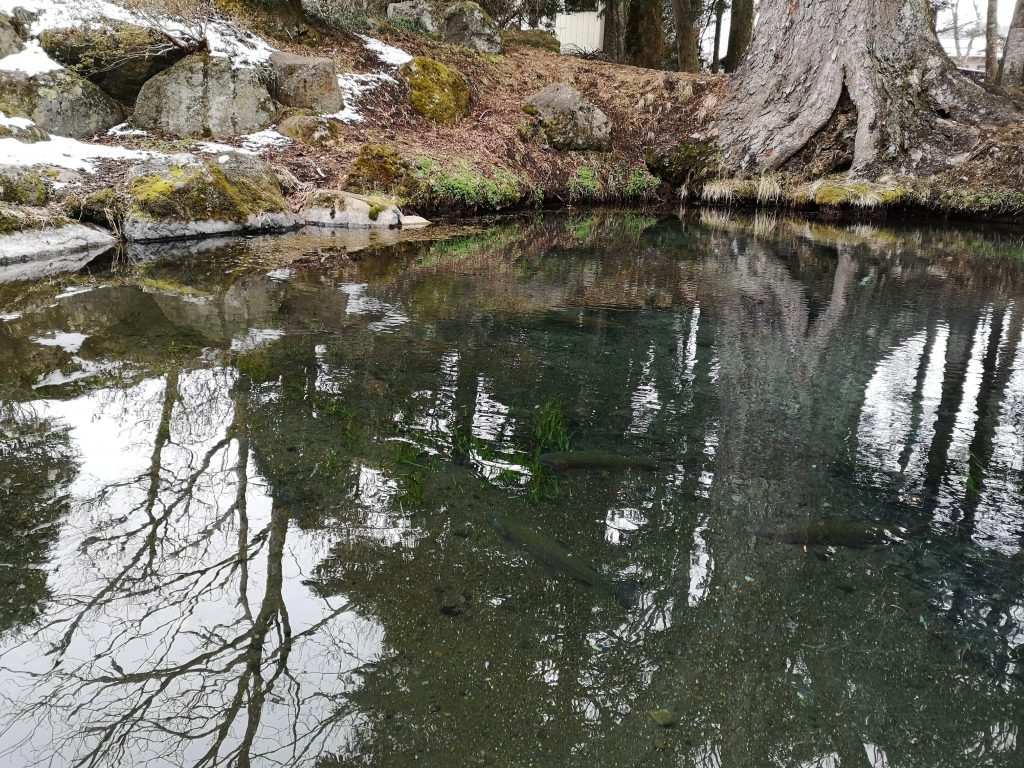
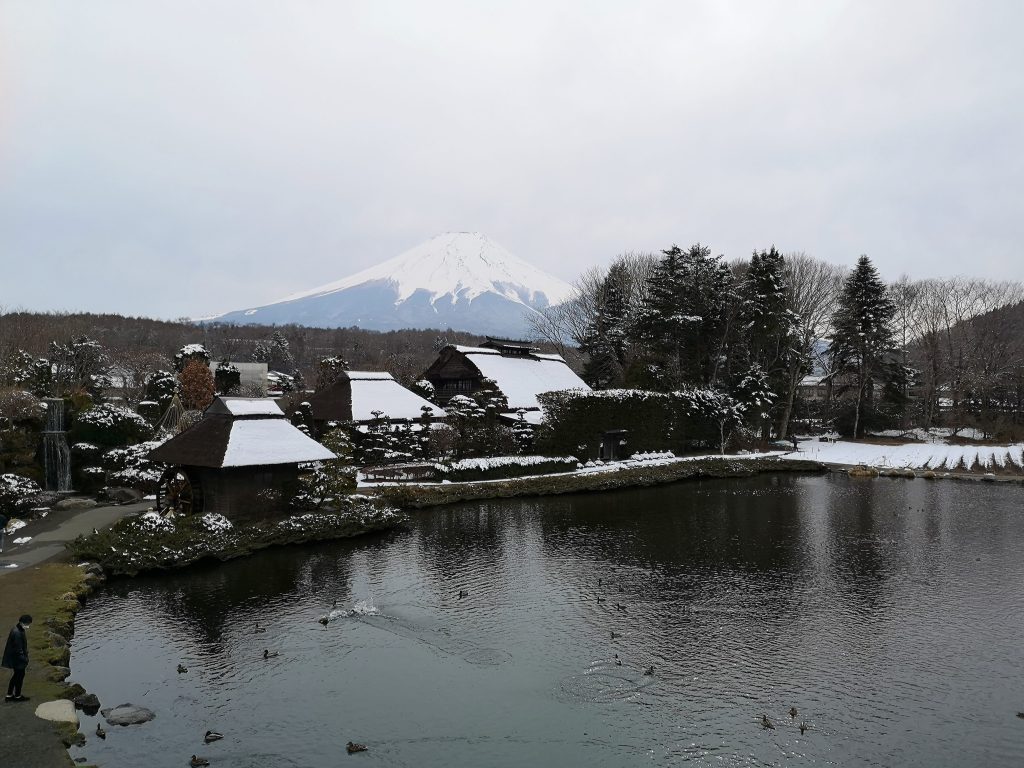
Oshino Hakkai (eight seas) is located in the village of Oshino in the Fuji Five Lake region between Lake Kawaguchi and Lake Yamanaka in Yamanashi Prefecture. The eight spring ponds are Deguchi-ike (exit pond), Okama-ike (pot pond), Sokonashi-ike (bottomless pond), Choshi-ike (Choshi pond), Waku-ike (gushing pond), Nigori-ike (muddy pond), Kagami-ike (mirror pond) and Shobu-ike (iris pond). They are fed by infiltration of snow-melt water, filtered down the mountain through porous layers of lava, and it is said that they are connected through the underflow conduit. Naturally, the water is very clear. Oshino Hakkai is included in UNESCO’s Mount Fuji Cultural World Heritage site (Fujisan, sacred place and source of artistic inspiration), and the eight ponds are 8 of the 25 constituent assets.

Oshino Hakkai: https://en.wikipedia.org/wiki/Oshino_Hakkai; (In Japanese) https://yamanakako.info/8lakes_top.php

Snowy Jigokudani Wild Monkey Park

Being known for its snow monkeys, a lot of people have visited Jigokudani (Hell’s Valley) Yaen Koen (Wild Monkey Park) in a sunny winter day. The park is located in the town of Yamanouchi in Nagano Prefecture. The monkeys were busy playing and searching for food, and some were bathing in the hot spring (https://en.jigokudani-yaenkoen.co.jp/). The Japanese macaque (Macaca fuscata) is also known as the snow monkey (https://en.wikipedia.org/wiki/Japanese_macaque).

Snowy Jigokudani Wild Monkey Park; The Monkeys are at work, Yamanouchi-town, Nagano, 02/26/202

Looking for the barley seeds spread on the snow, Jigokudani Wild Monkey Park, Yamanouchi-town, Nagano, 02/26/2022
Wrestling on the snow, Jigokudani Wild Monkey Park, Yamanouchi-town, Nagano, 02/26/2022
The one talking beautifully, Jigokudani Wild Monkey Park, Yamanouchi-town, Nagano, 02/26/2022
Tightrope Walking, Jigokudani Wild Monkey Park, Yamanouchi-town, Nagano, 02/26/2022

Sunbathing & Grooming, Jigokudani Wild Monkey Park, Yamanouchi-town, Nagano, 02/26/2022

Am I dreaming or what? ; Jigokudani Wild Monkey Park, Yamanouchi-town, Nagano, 02/26/2022

It’s a steamy hot bath! ; Jigokudani Wild Monkey Park, Yamanouchi-town, Nagano, 02/26/2022

FYI: (Snow Monkeys Soak in Hot Springs, Nature on PBS https://www.youtube.com/watch?v=6FzrsIOnIpo); (Japanese macaques in Jigokudani Yaen-Koen https://www.youtube.com/watch?v=icDS-tttL1Q)

CNN Breaking News _ 6:40 p.m. CET, February 25, 2022

RUSSIA INVADES UKRAINE

NATO SECRETARY GENERAL:

WE CALL RUSSIA TO STOP THIS “SENSELESS” WAR

THIS IS A FULL-FLEDGED INVASION OF UKRAINE FROM MULTIPLE DIRECTIONS

RUSSIA HAS SHUTTERED PEACE IN EUROPE

NATO ALLIES ACTIVATED OUR DEFENSE PLAN YESTERDAY

WE WILL DO WHAT IT TAKES TO PROTECT AND DEFEND EVERY NATO ALLY

NATO ACTIVATES ITS DEFENSE FORCE

Maruyamazuka-Kofun and Kai Choshizuka-Kofun Tumuli (Burial Mounds)

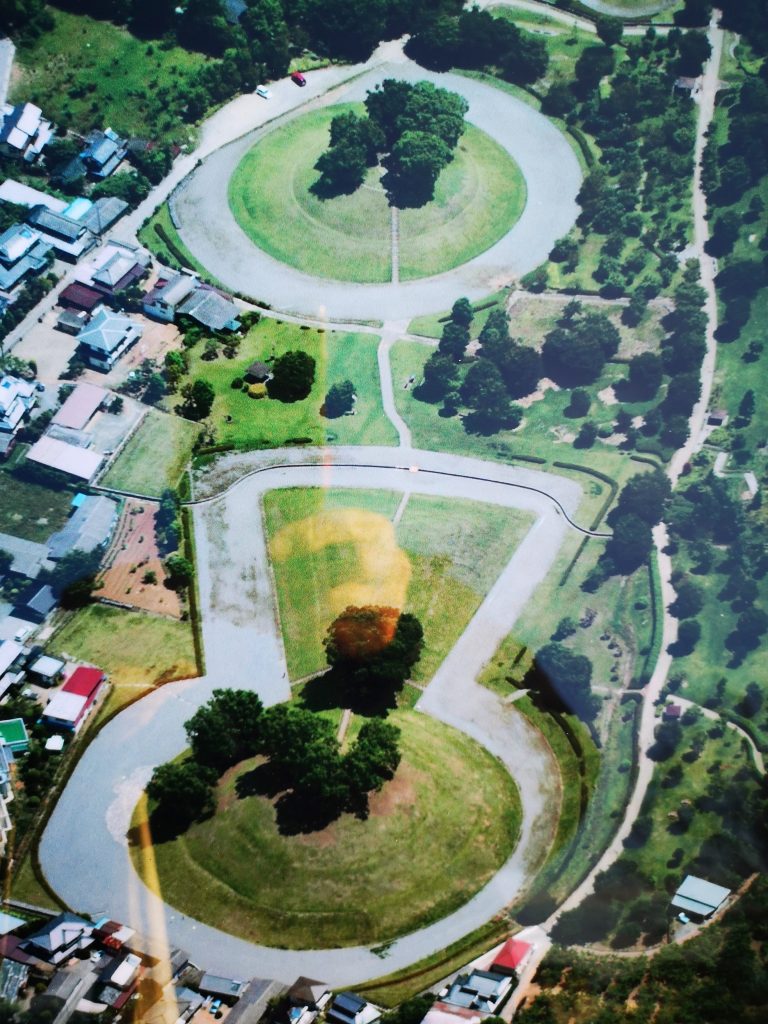
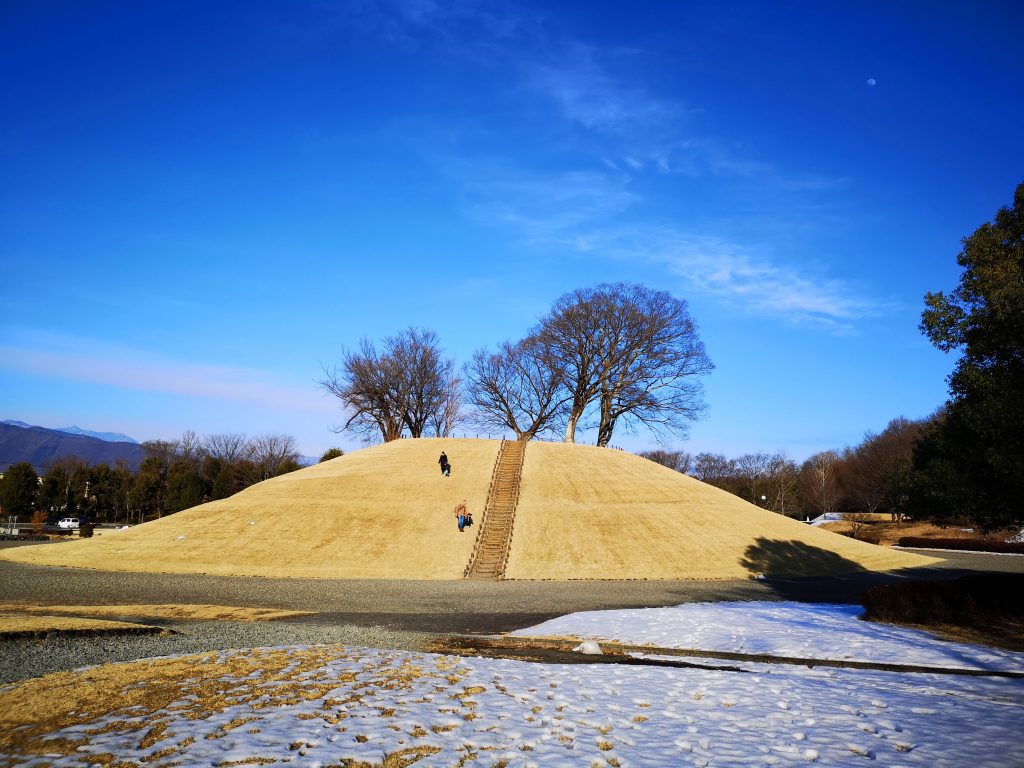
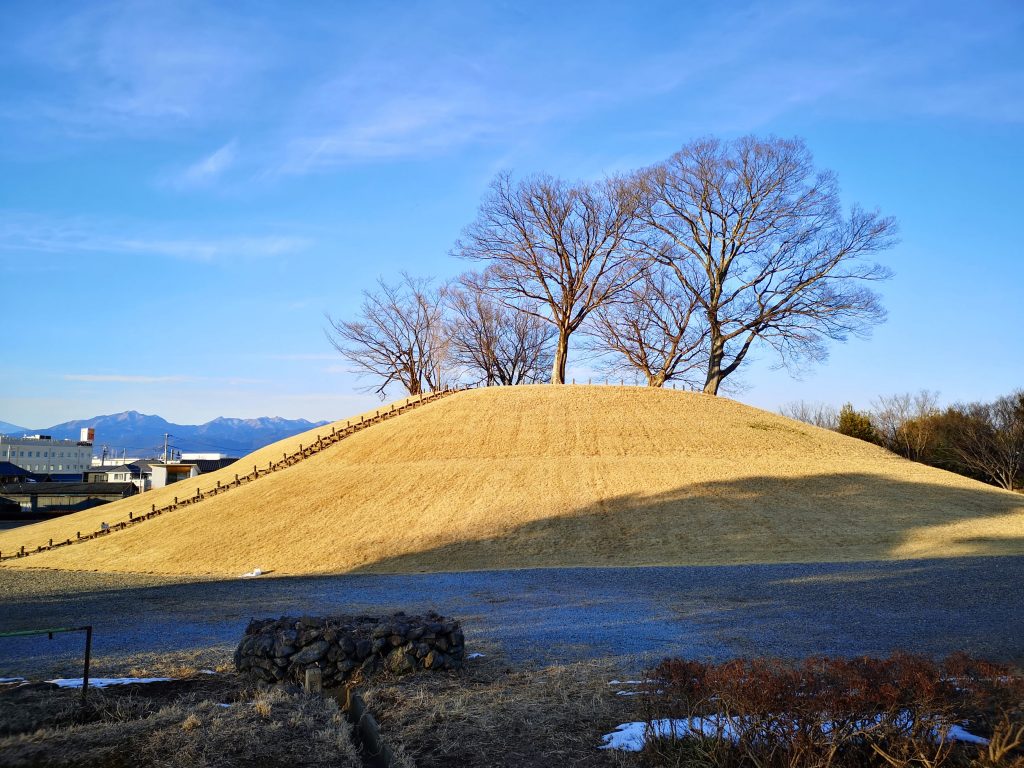
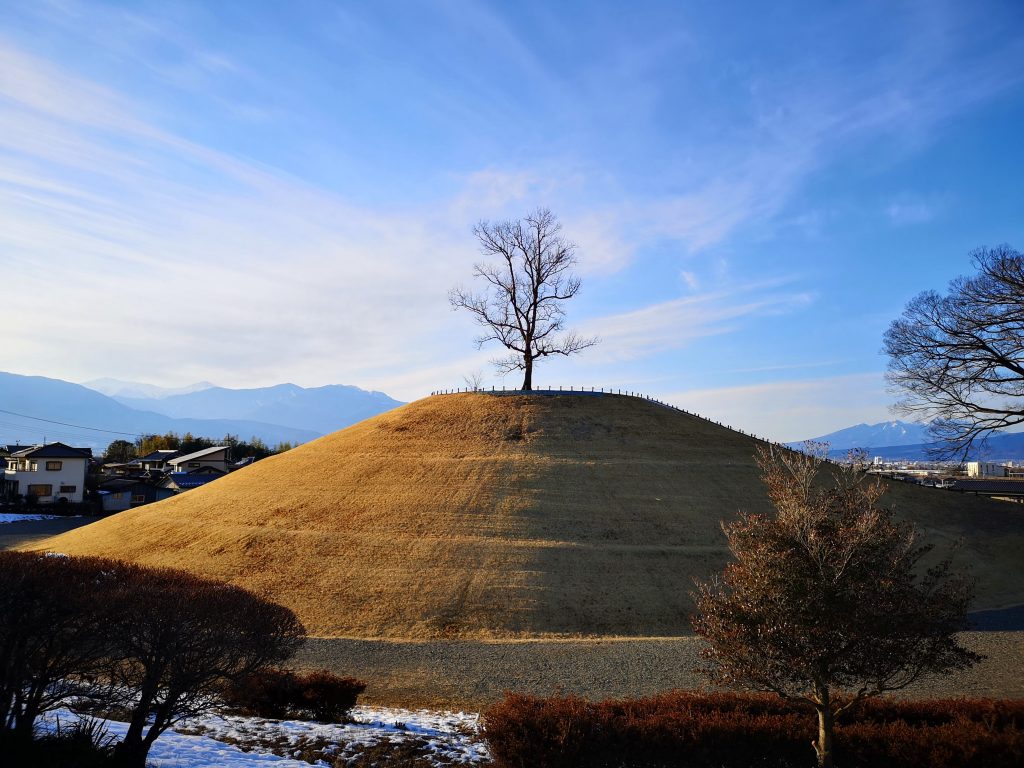
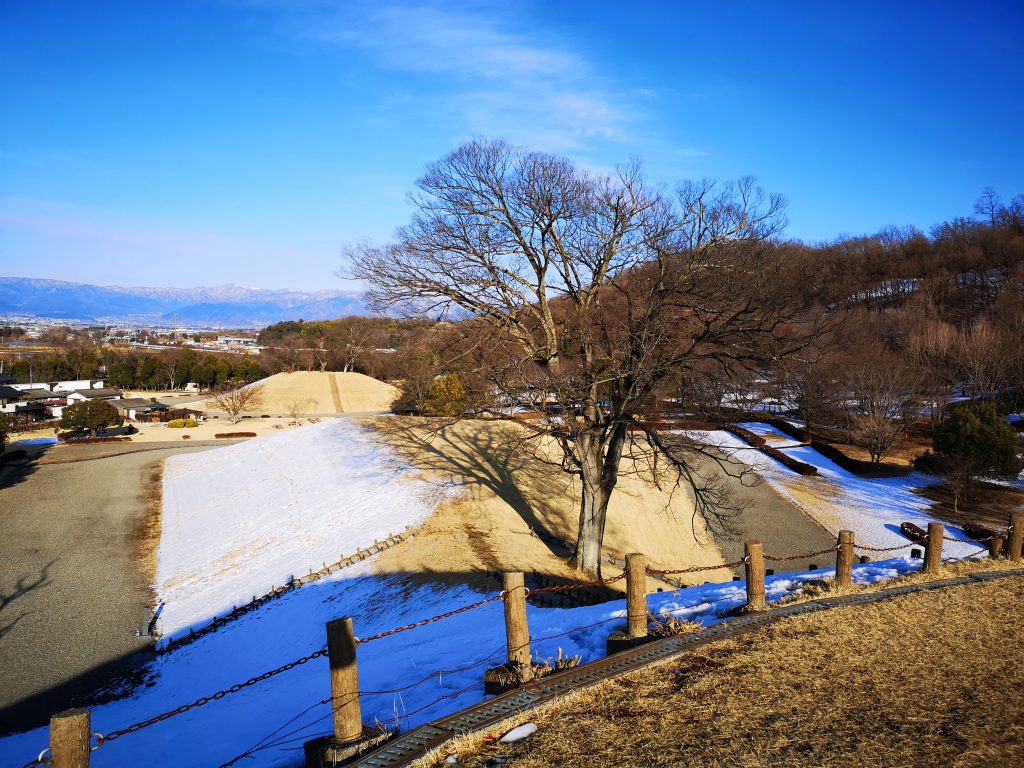
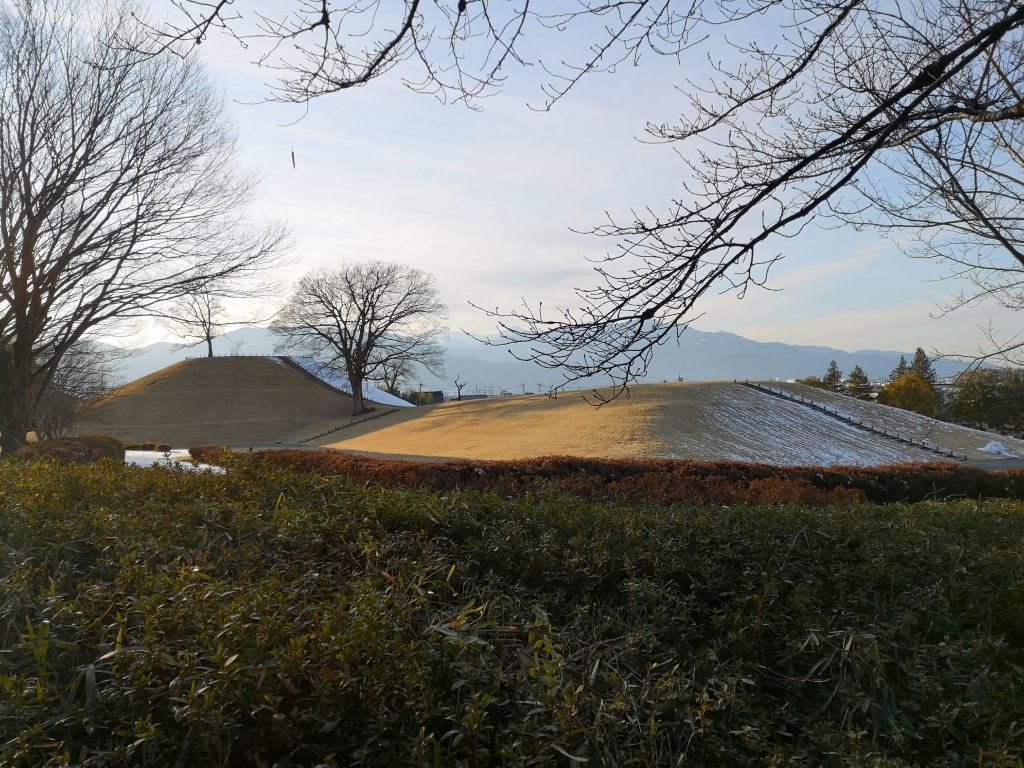
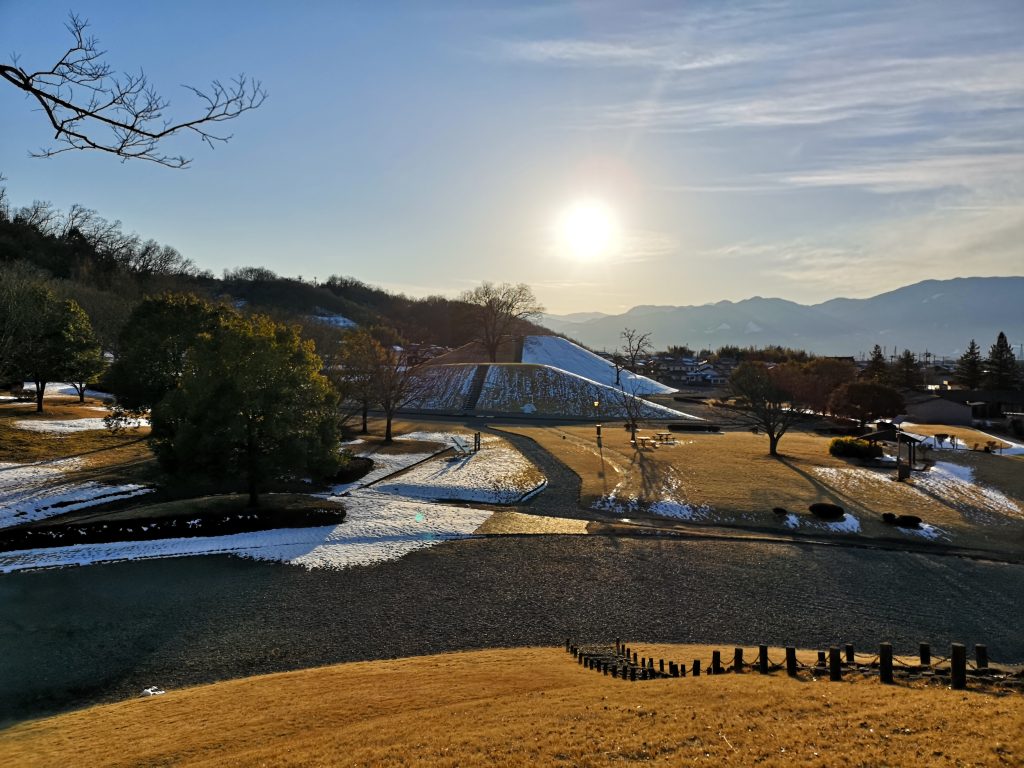
In Kofu, there are two large restored tumuli (burial mounds). They are located in Sone-Kyuryo Park. Maruyamazuka-kofun tumulus is a circular tomb mound: (diameter) 72m, (height) 11m, and Kai Choshizuka-kofun tumulus is a large keyhole-shaped tomb mound: (total length) 169m; [front part] (width) 68m, (height) 8.5m, [back circular part] (diameter) 92m, (height) 15m.

Idojiri Ruins, Fujimi, Nagano

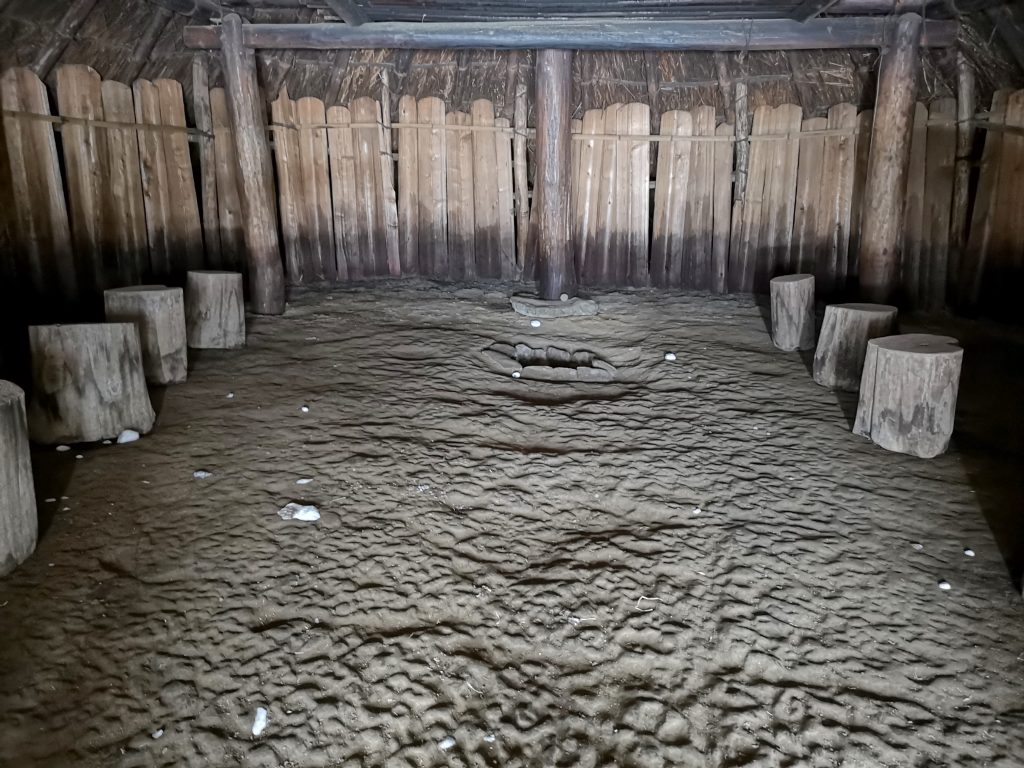
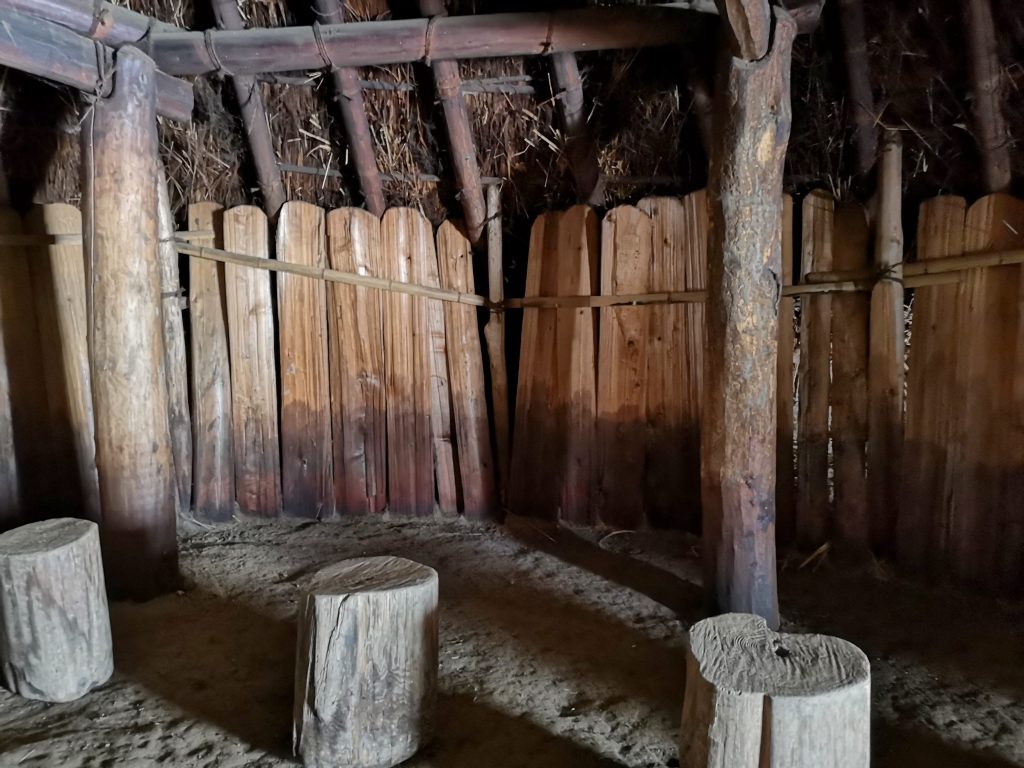
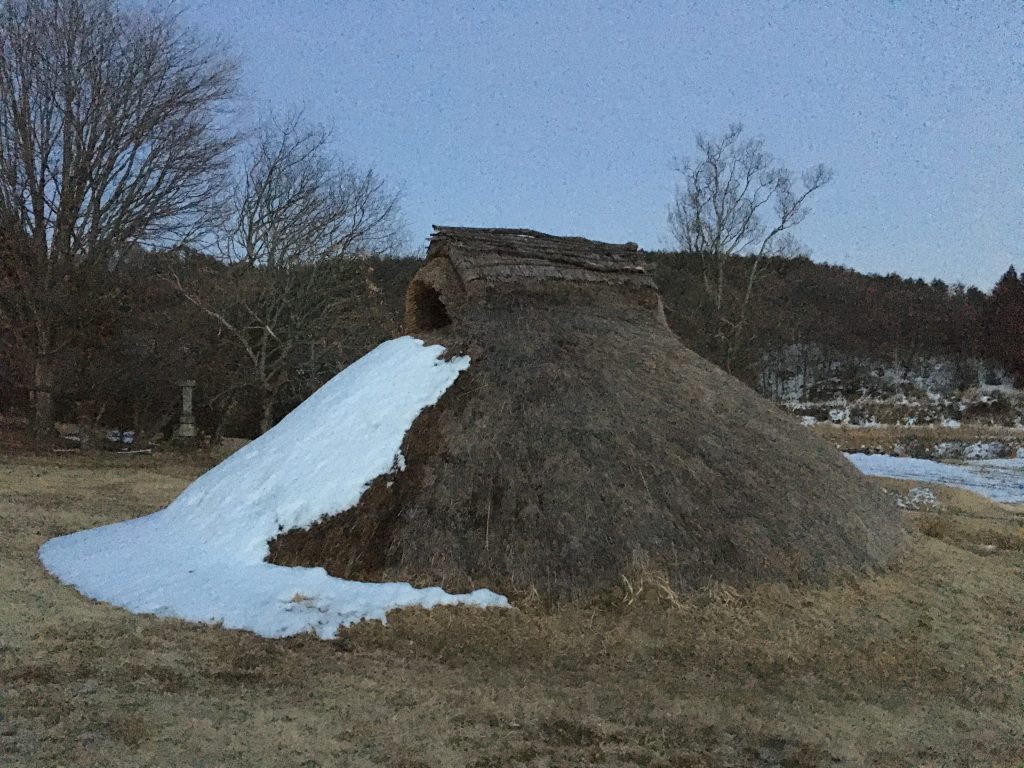
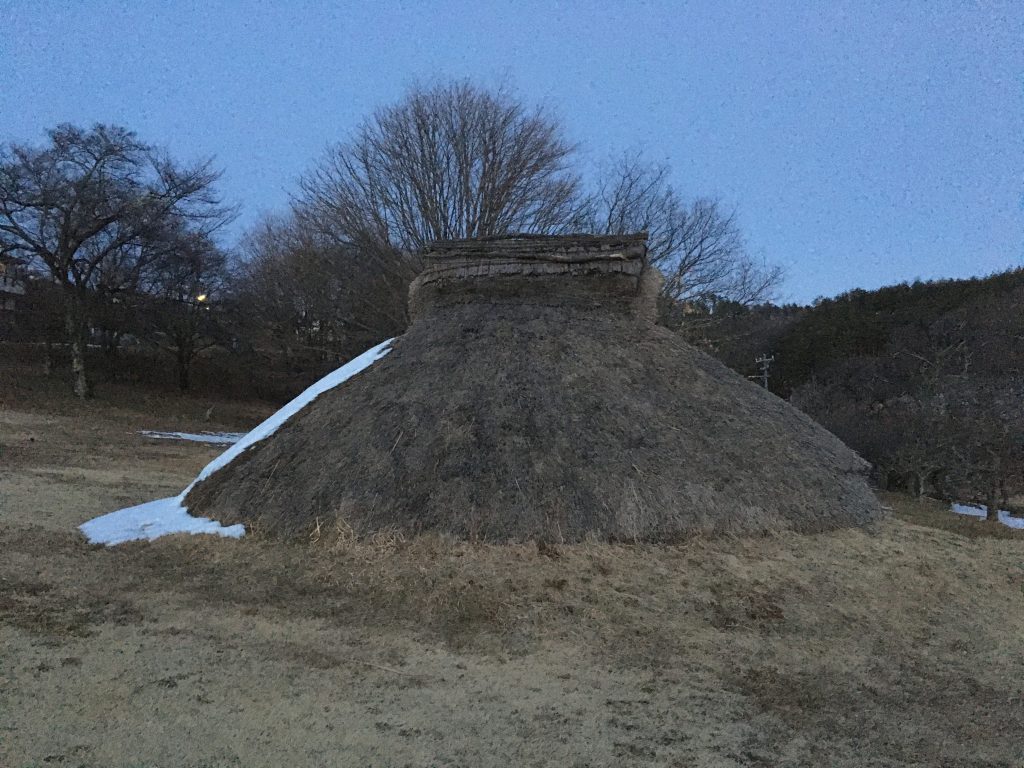
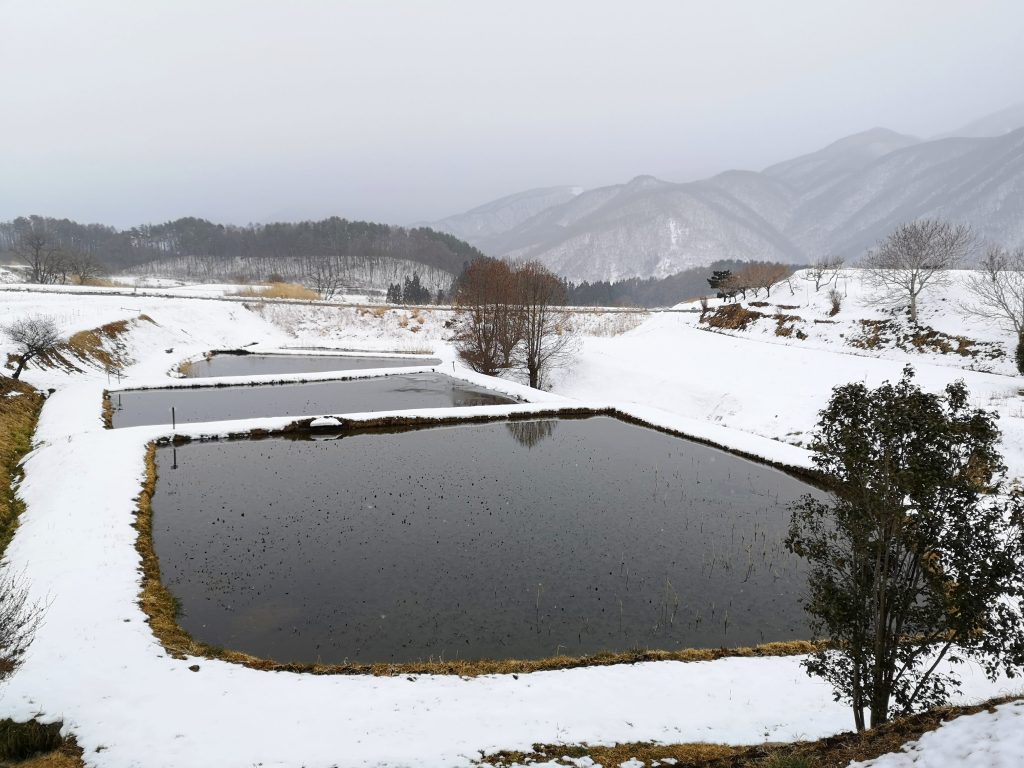
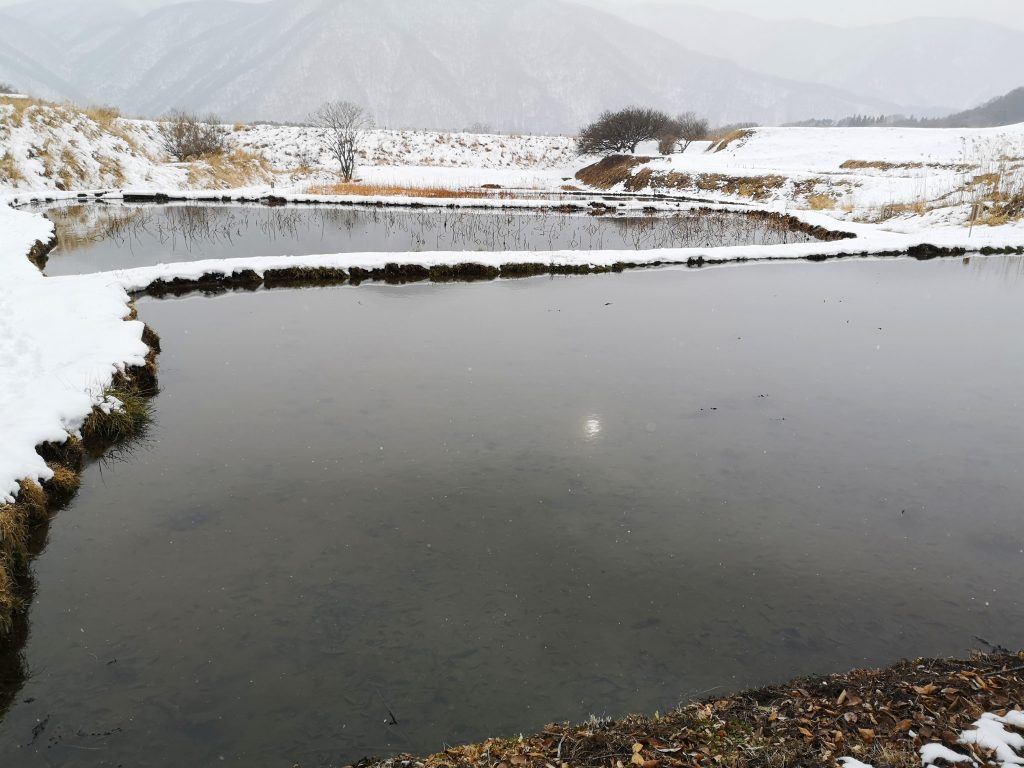
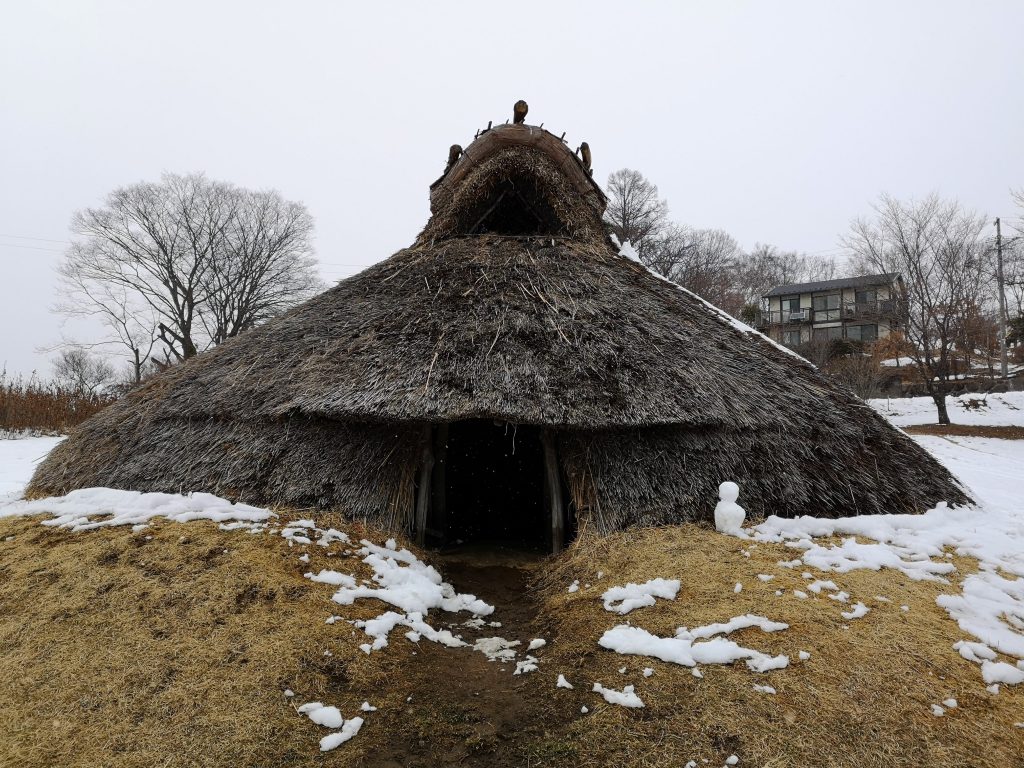
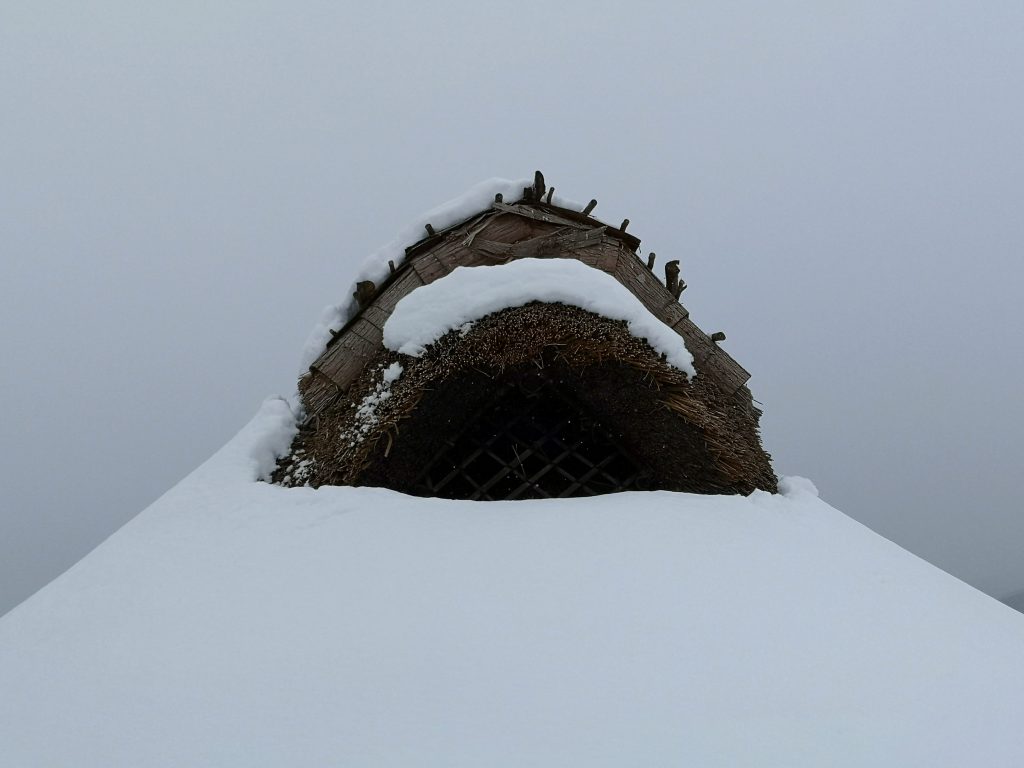
The Idojiri Ruins is a mid-Jomon period archeological site (approximately 2500–1500 BCE) located in the town of Fujimi in Nagano Prefecture. There are a restored pit-dwelling house, crop fields, and paddy-like ponds. Idojiri Archeological Museum is in the site near the gate. The artifacts excavated from the ruins are exhibited in the museum. https://en.wikipedia.org/wiki/Idojiri_ruins

FYI: Jomon Prehistoric Sites in Northern Japan is a serial UNESCO World Heritage Site consisting 17 Jomon-period archeological sites in the southern Hokkaido and northern Honshu islands. It was officially inscribed on the World Heritage List in July 2021. (https://whc.unesco.org/en/list/1632/) (https://jomon-japan.jp/en/)

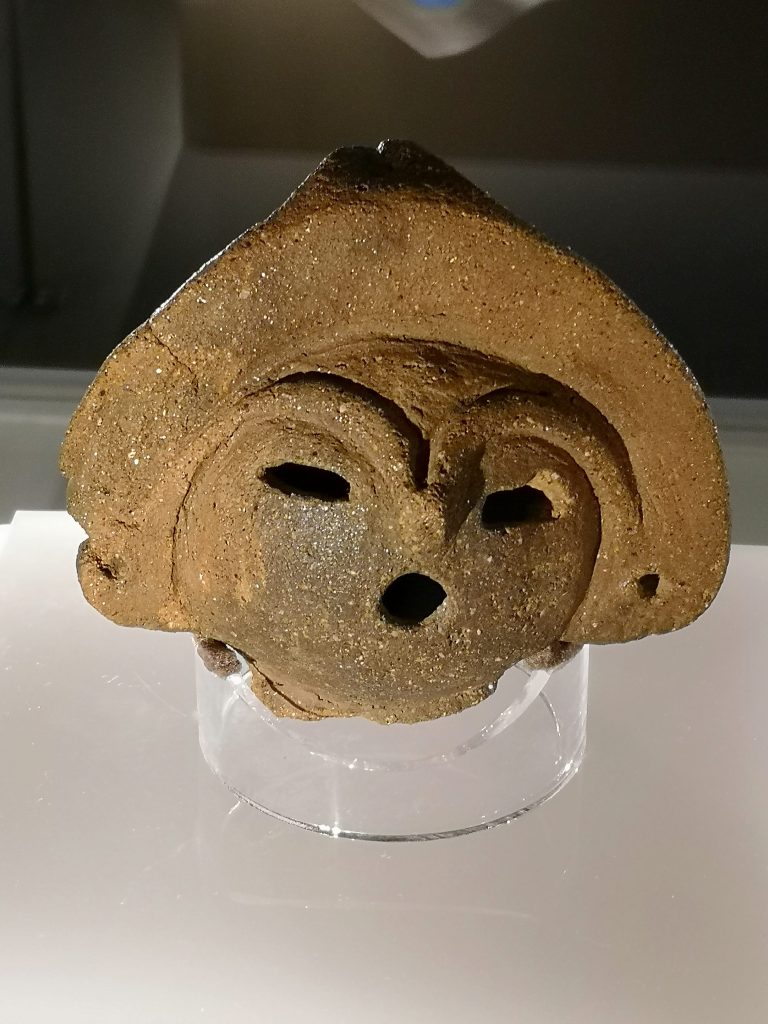
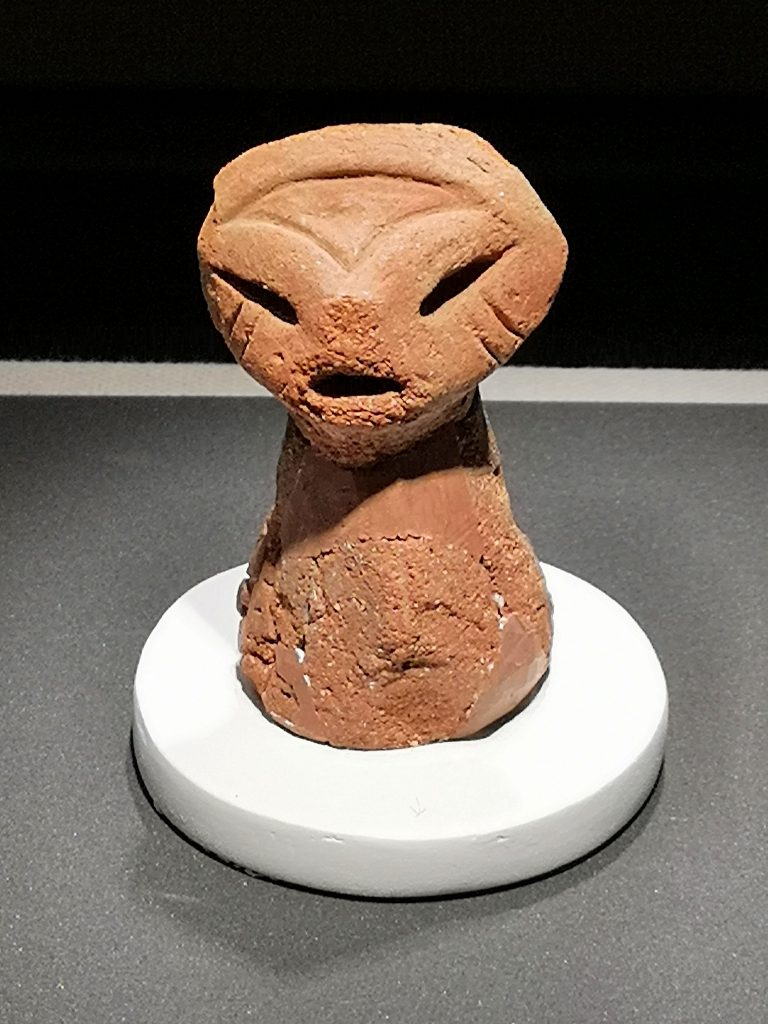
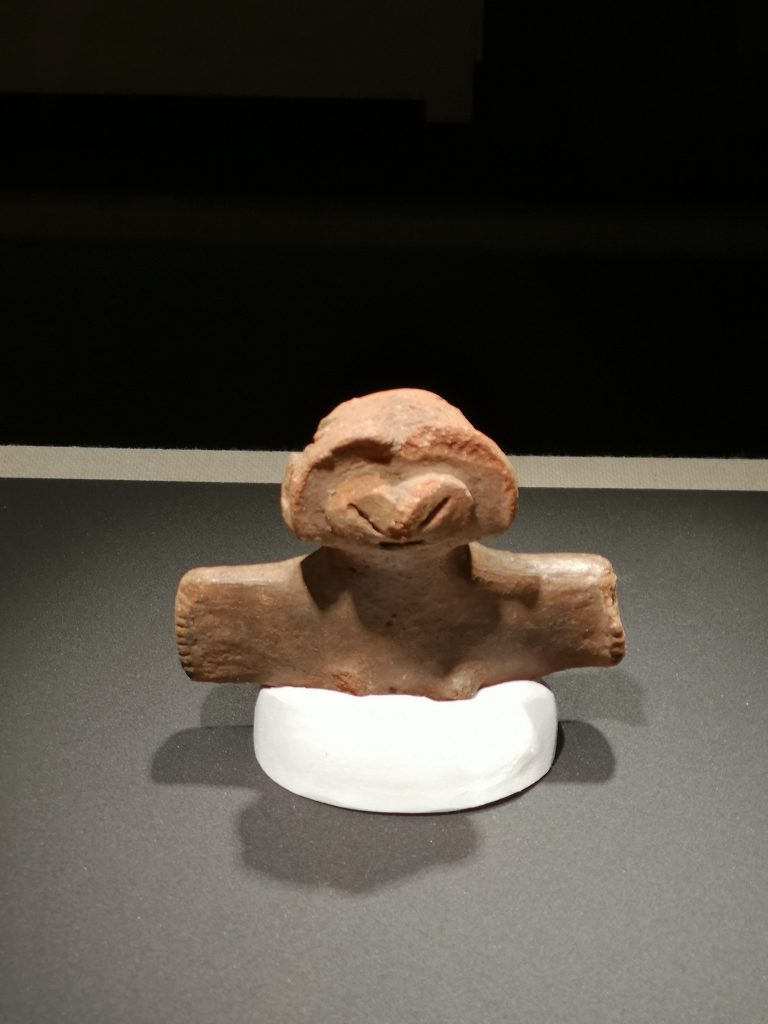
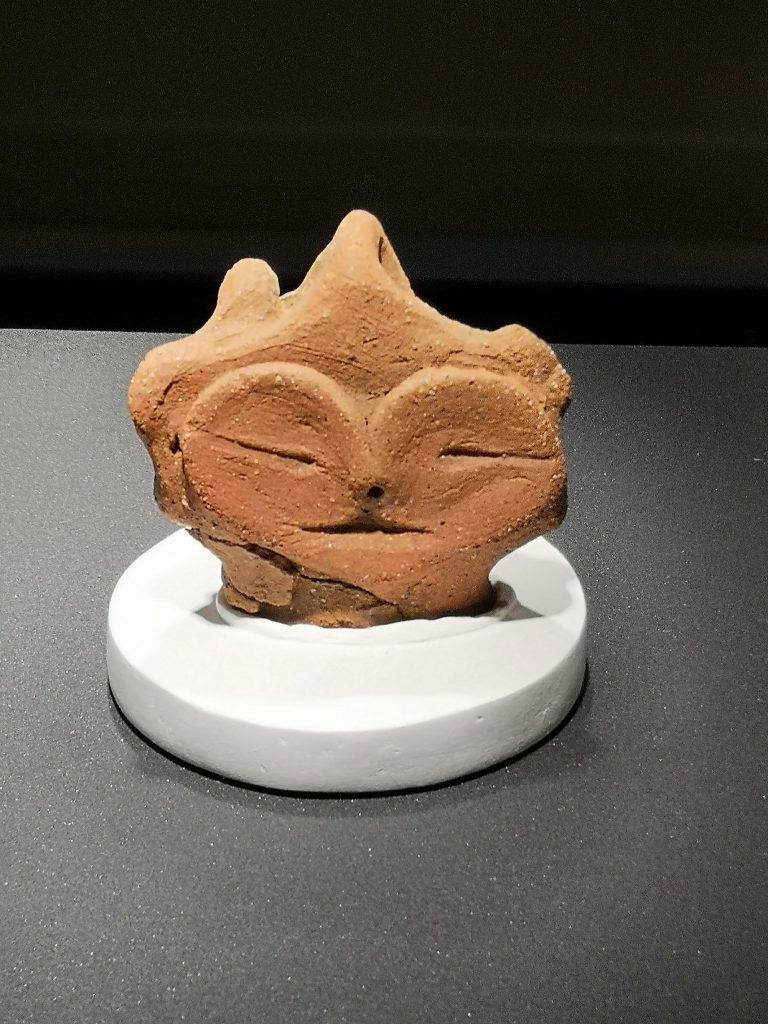
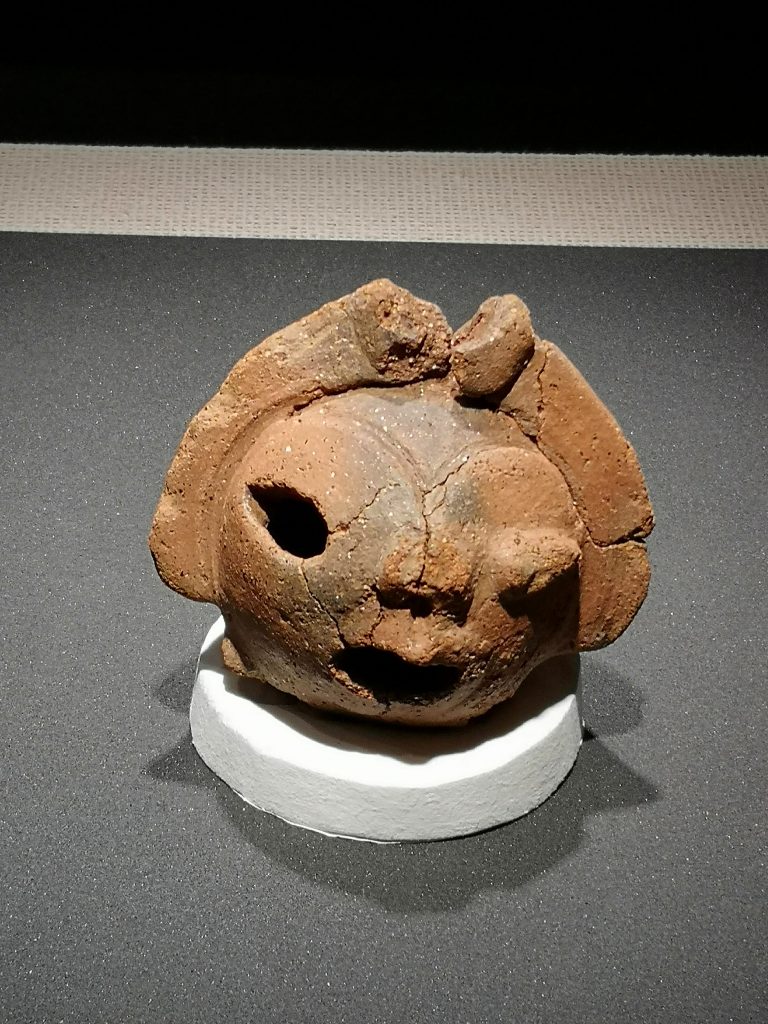
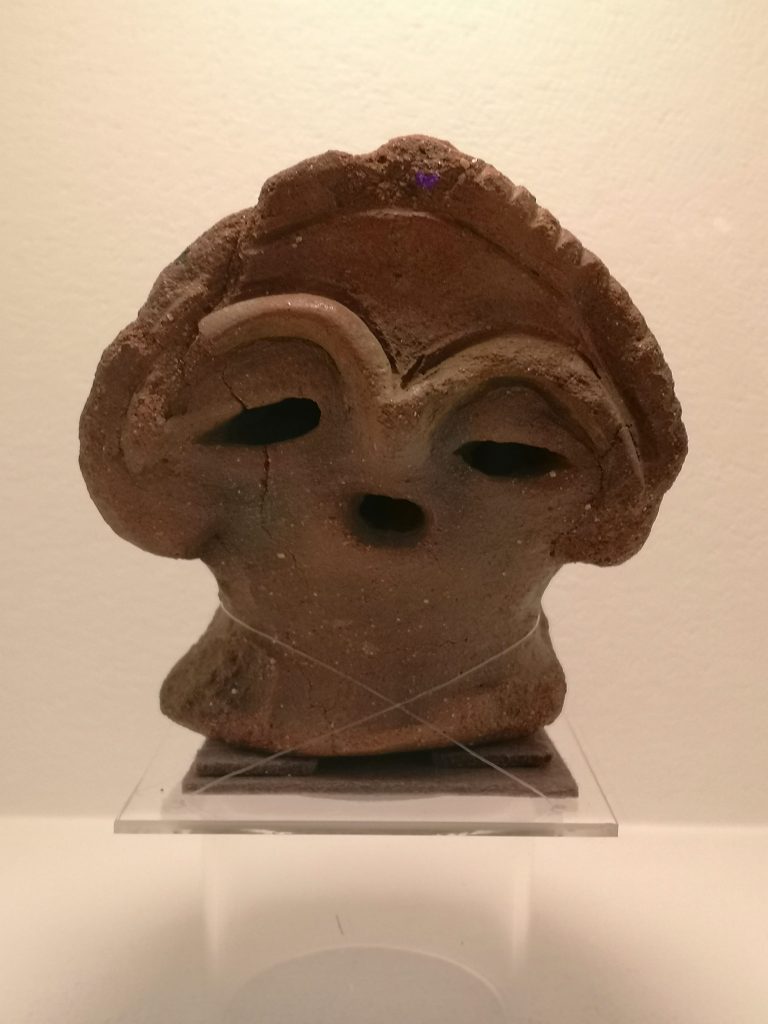
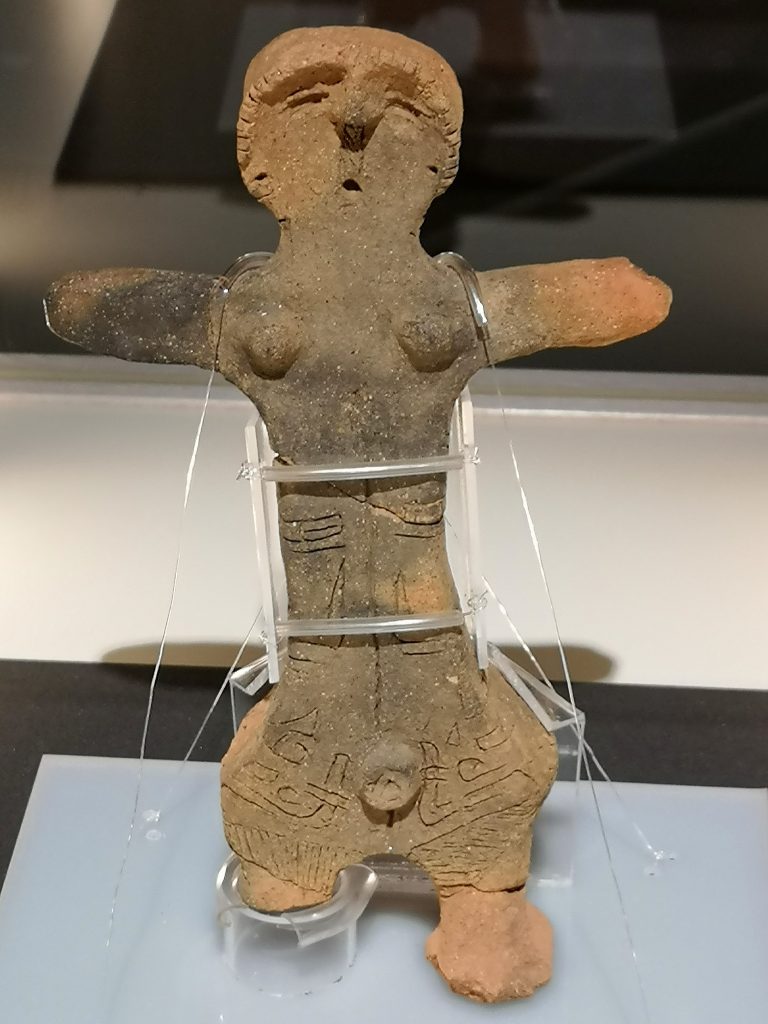
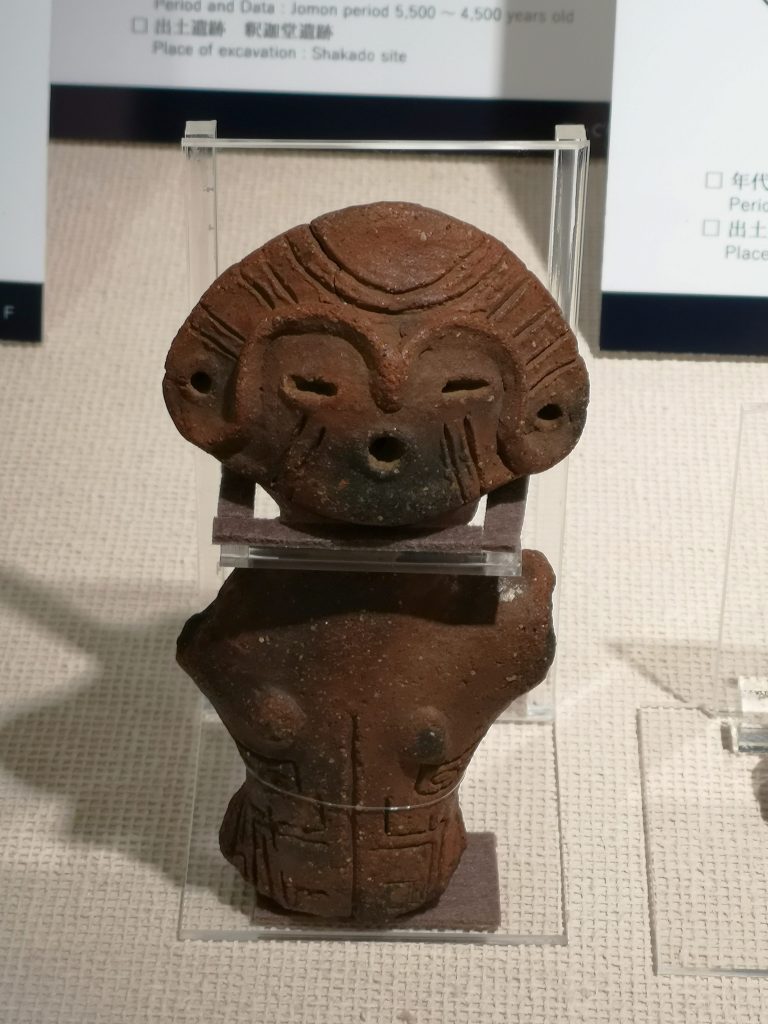
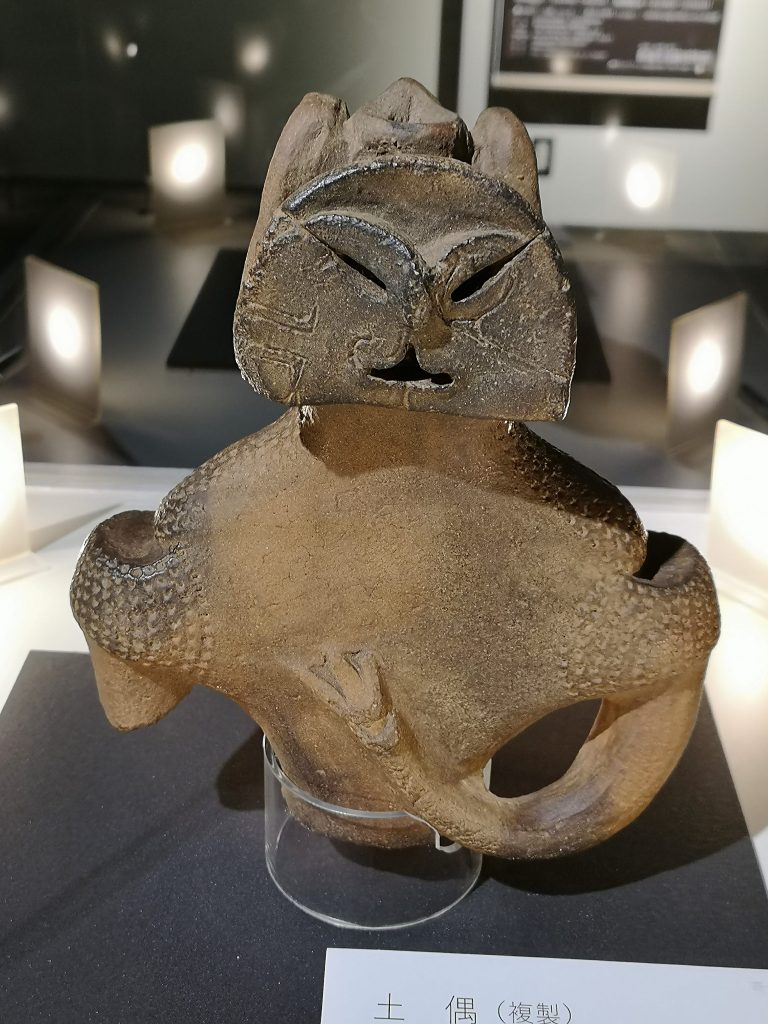
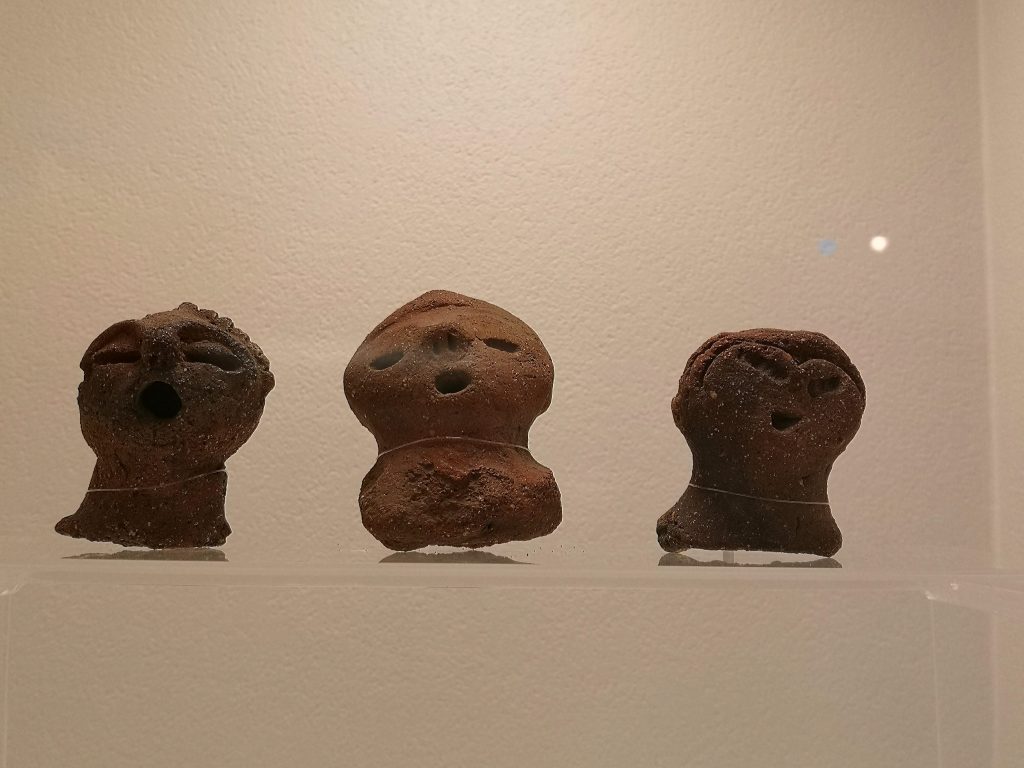
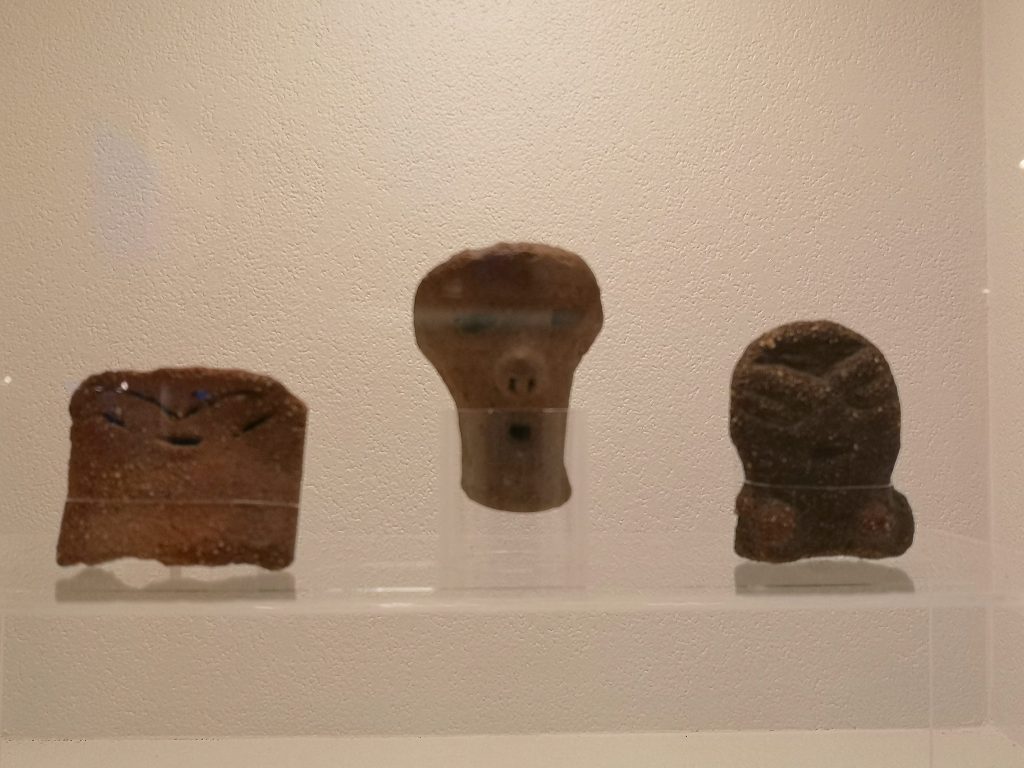
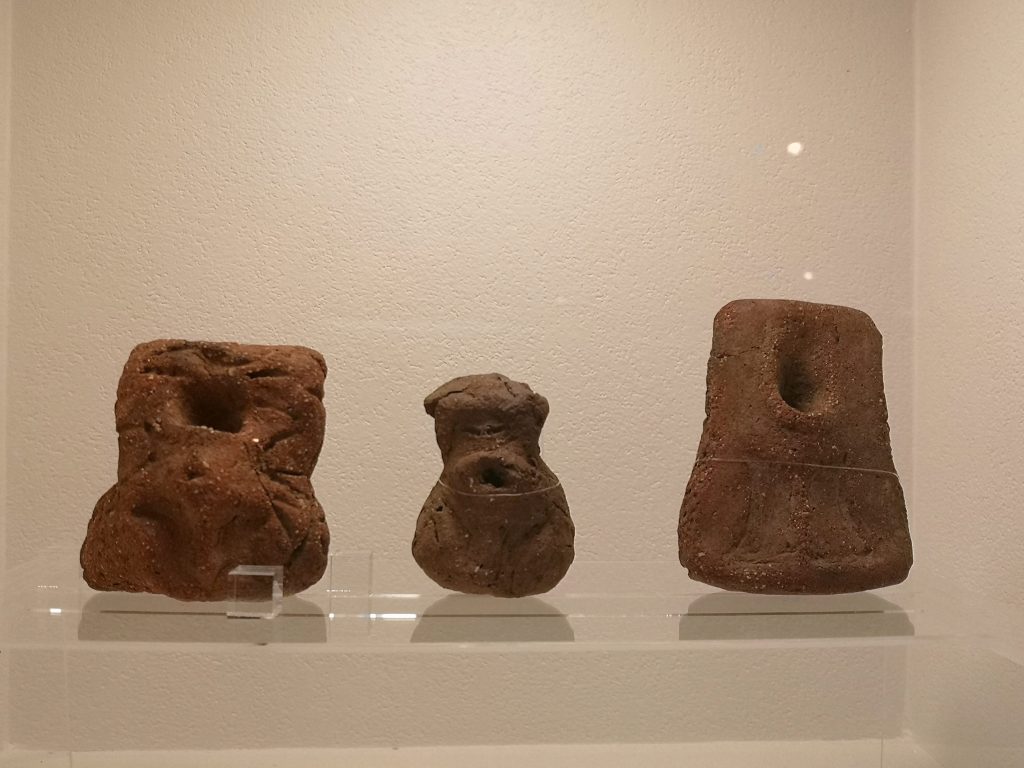
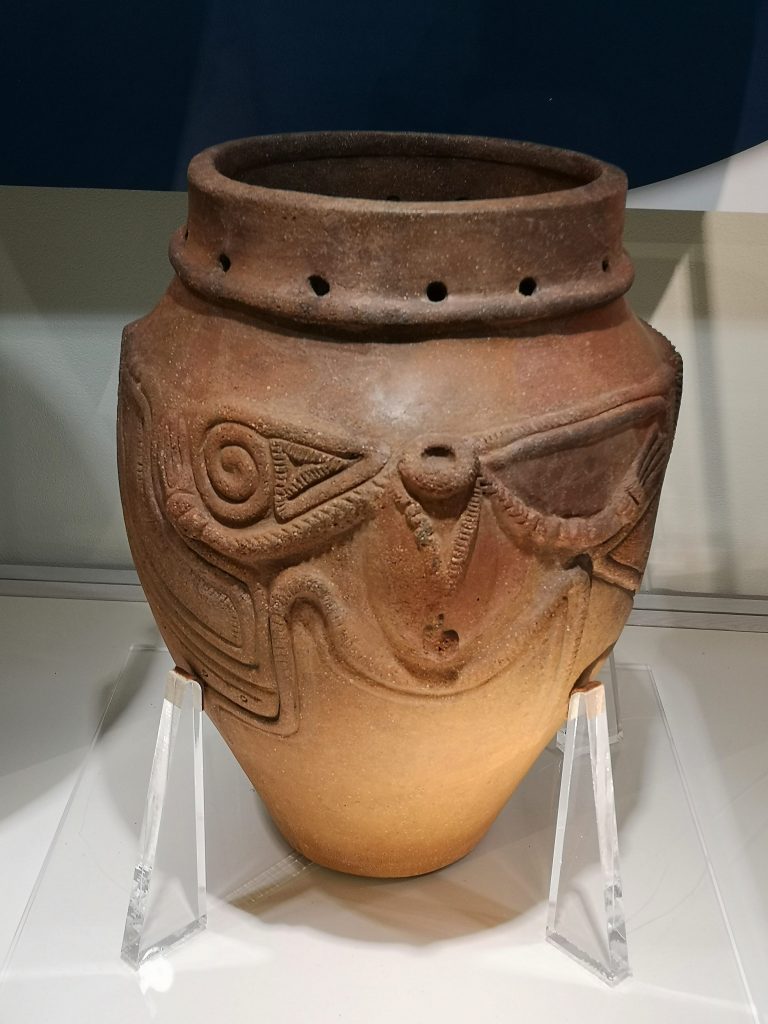
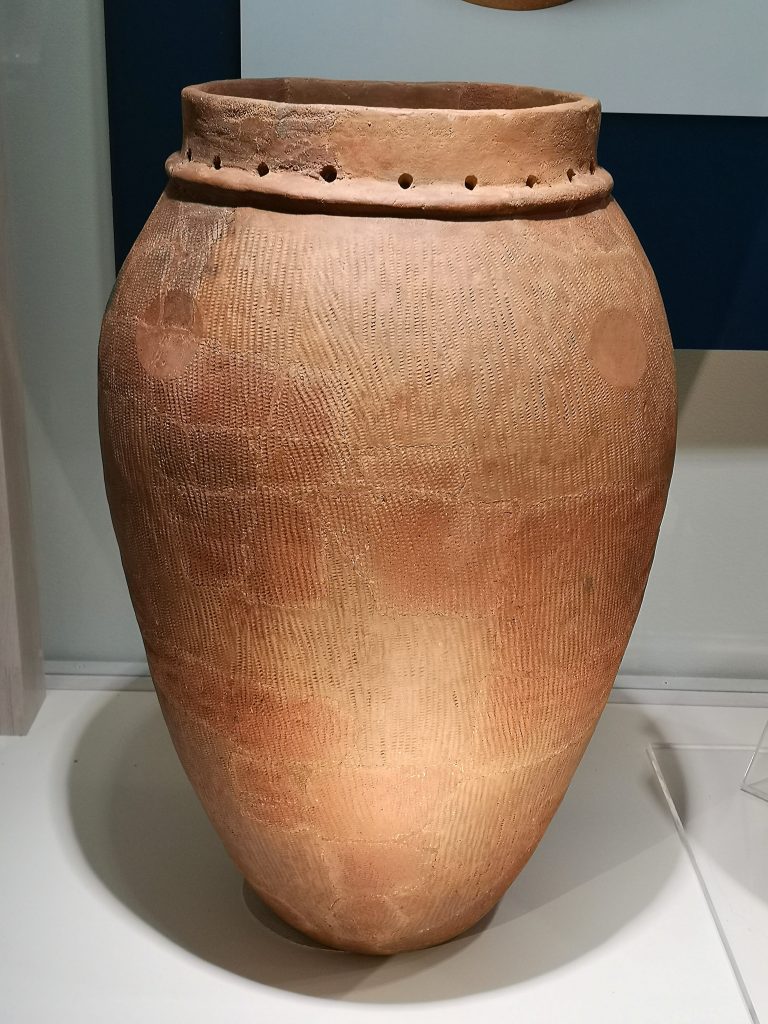
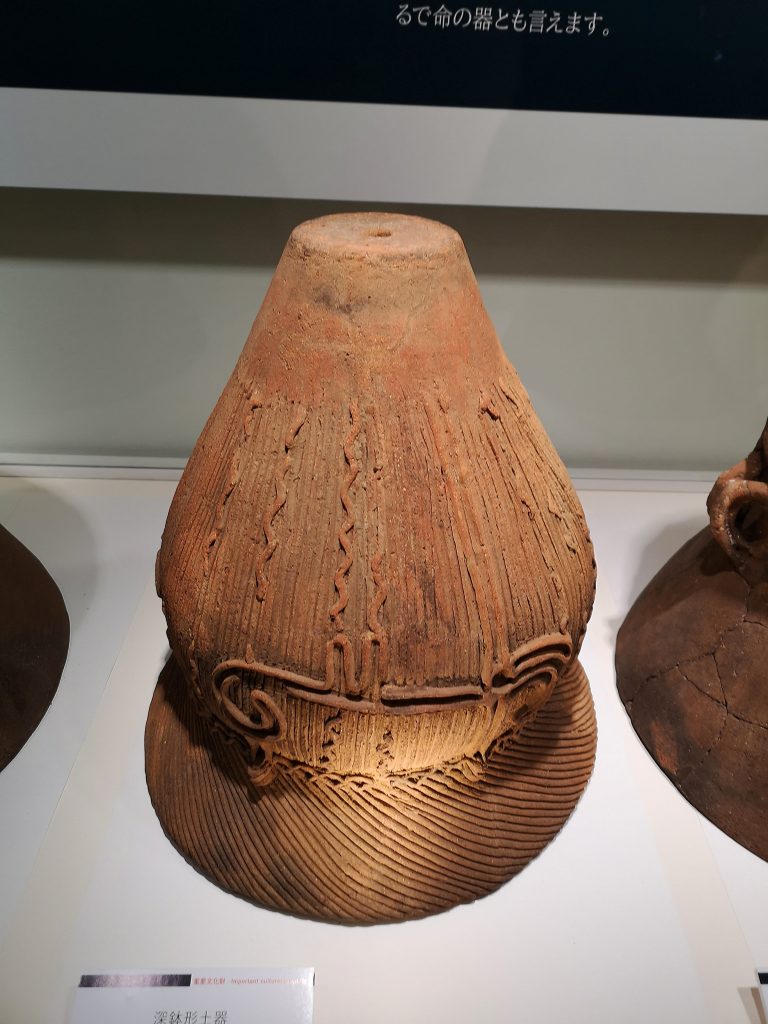
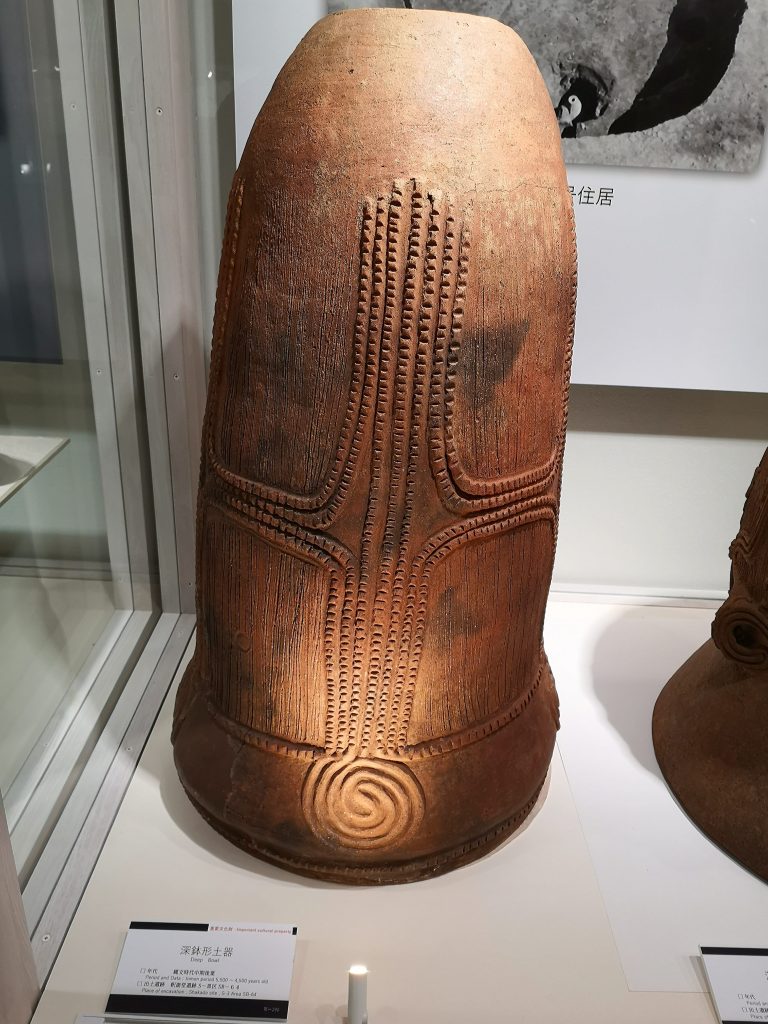
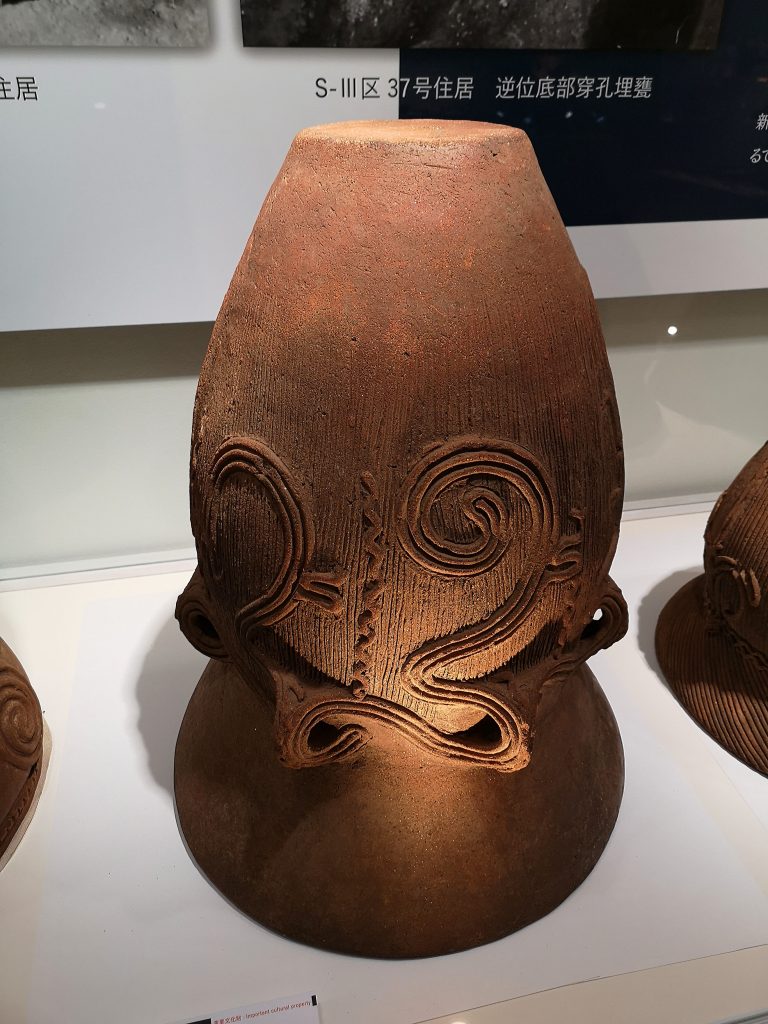
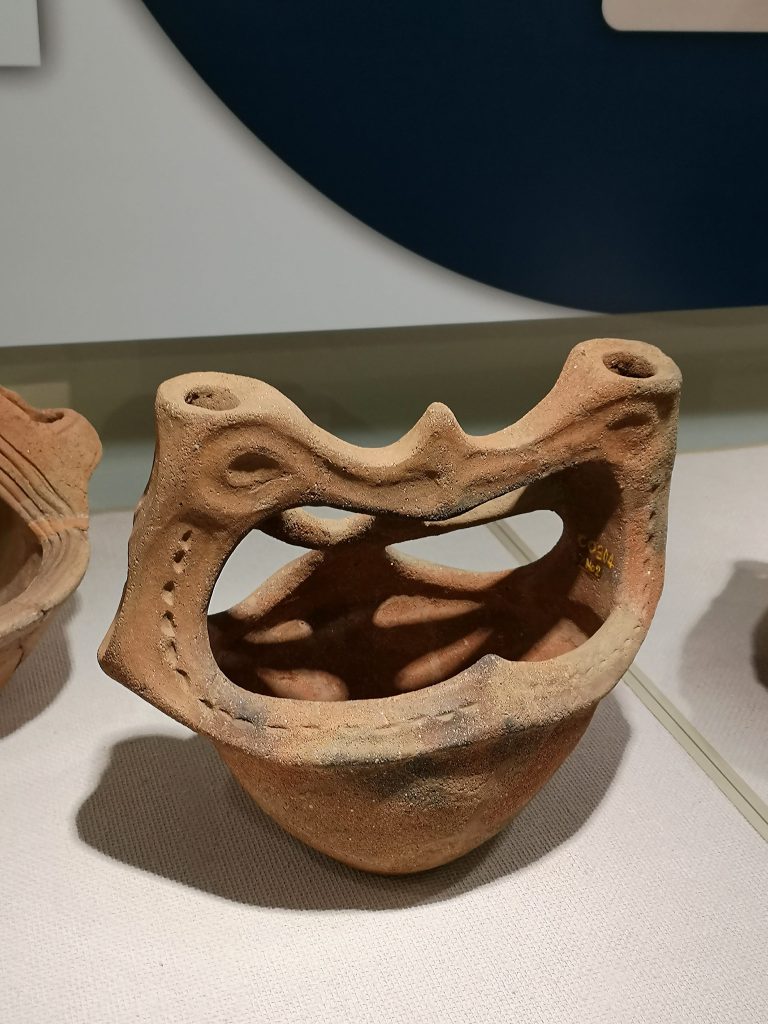
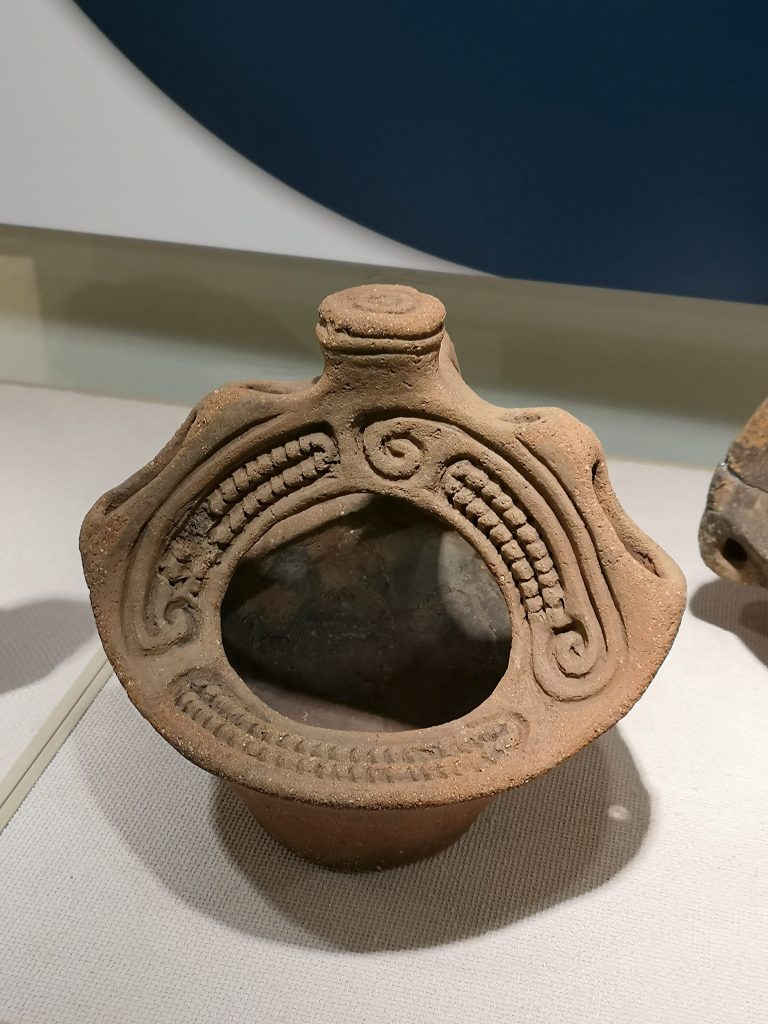
Clay Figures And Earthenware From The Jomon Period

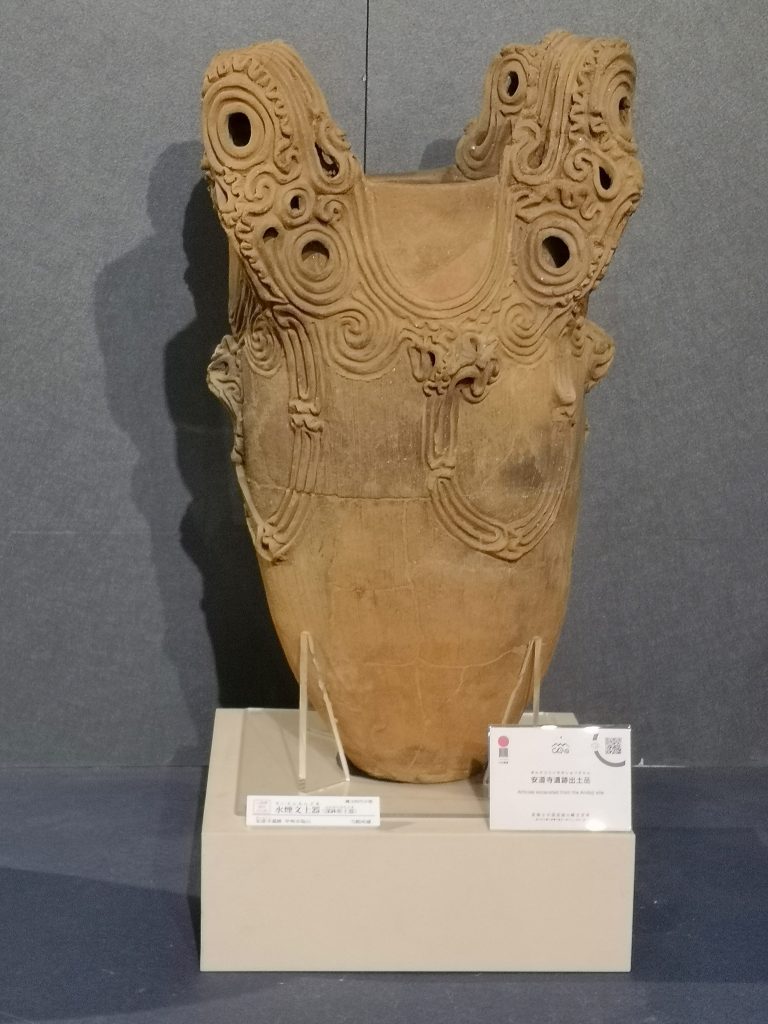
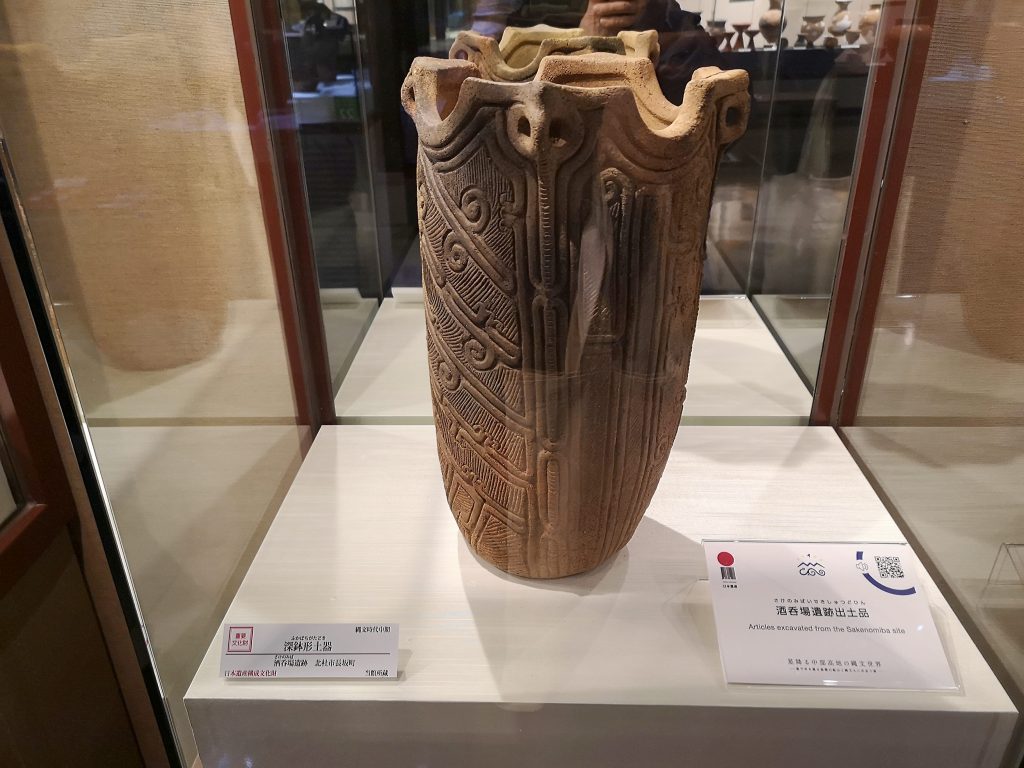
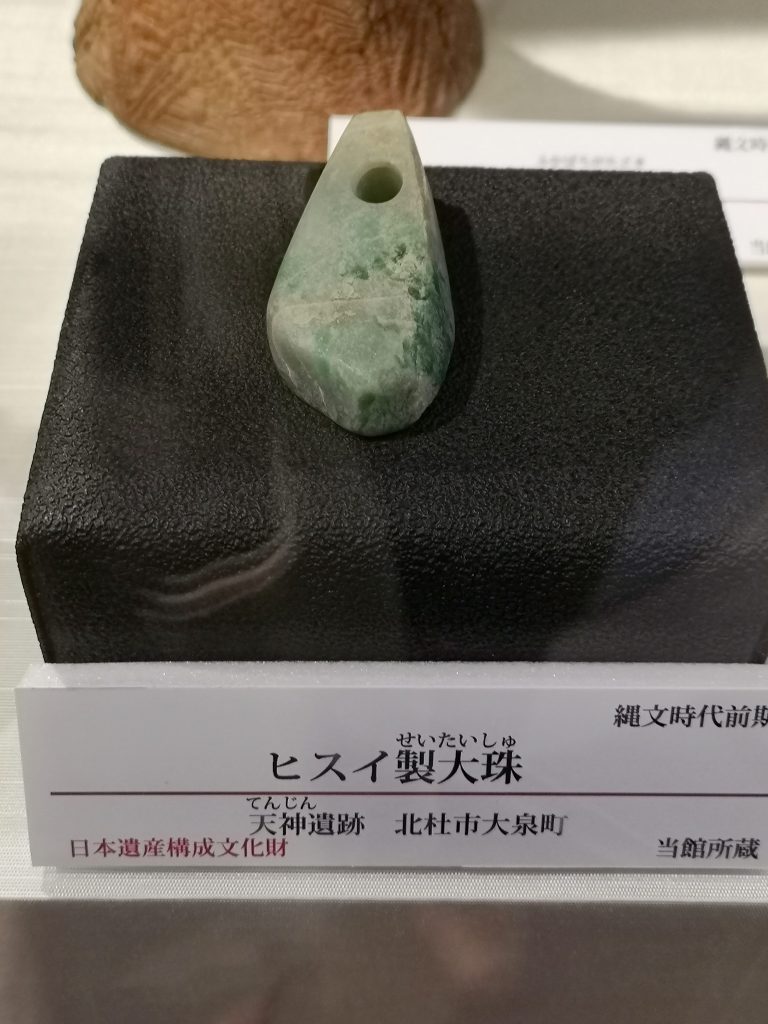
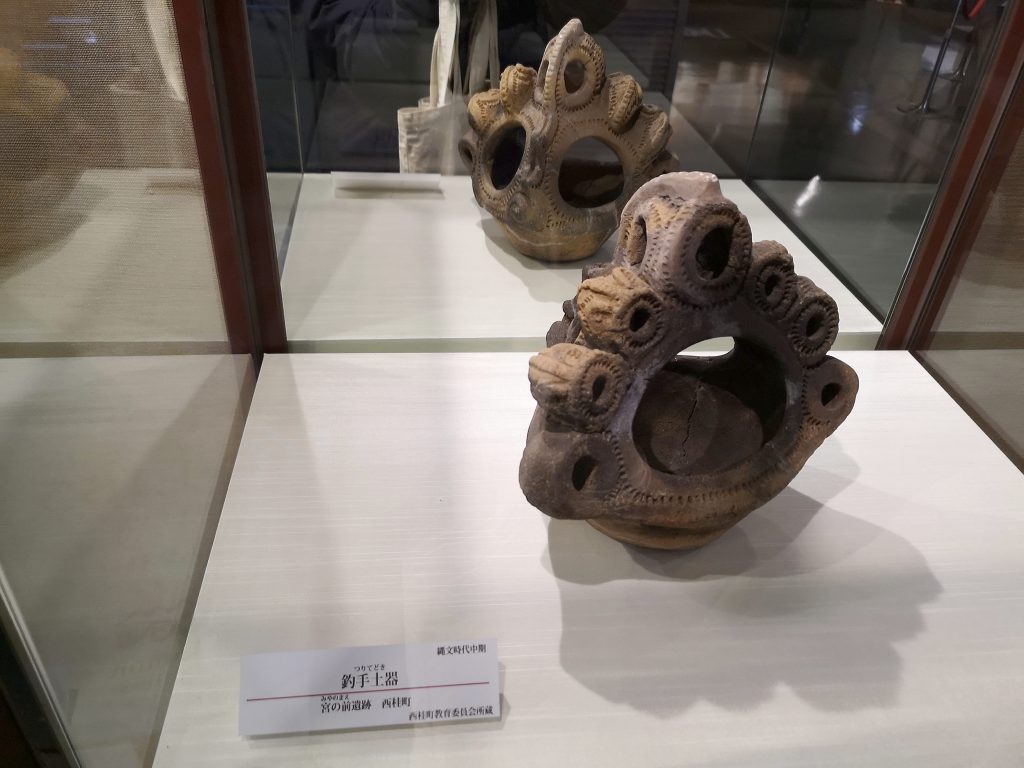
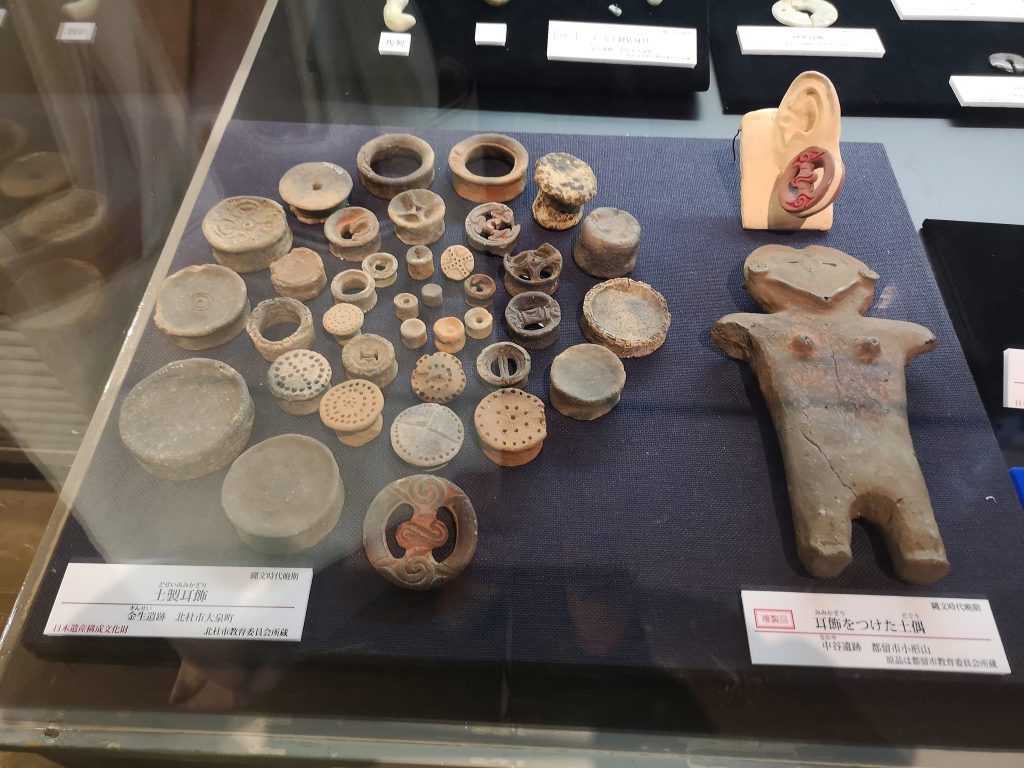
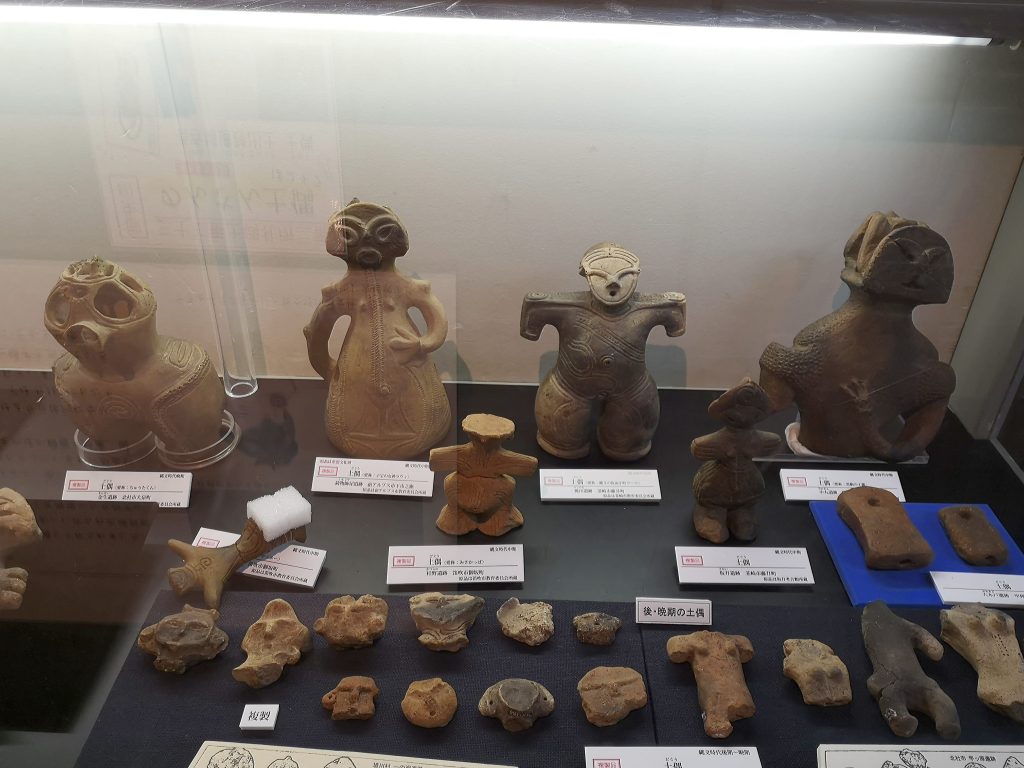
The Shakado Museum of Jomon (rope marking) Culture is located in the city of Fuefuki in Yamanashi Prefecture. It has been collecting clay figures from the Jomon period (5,500~4,500 years ago). They were found in the remains of the pit-houses and dug-out hollows. Almost all the figures were excavated broken and they were seemed to have been broken on purpose and thought to have been used in some ritual ceremony. Most of the figures were pregnant women, so they may have been used for protection against the risks of childbirth, illness and death, or in fertility rites to make their chances of having babies or of giving birth more successfully. https://www.eps4.comlink.ne.jp/~shakado/

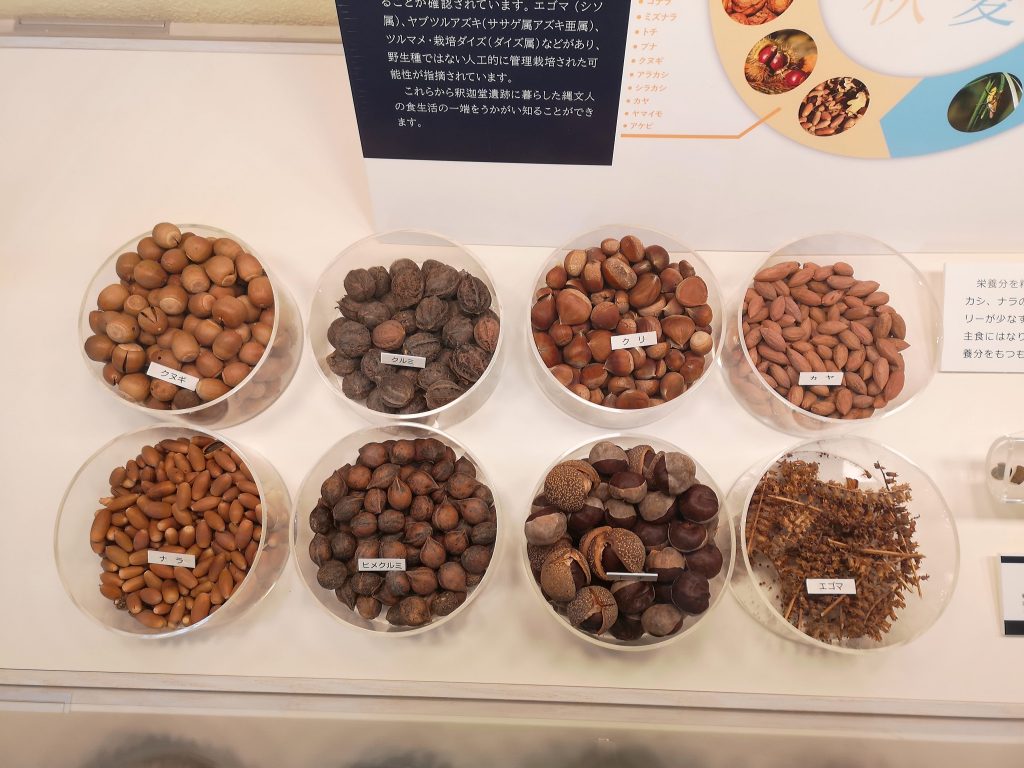
The samples of the nuts consumed by the Jomon people.

Quercus acutissima, Walnut, Chestnut and Japanese torreya;

Oak, Japanese small walnut, Japanese horse-chestnut and Perilla frutescens.

Shakado Museum of Jomon Culture, Fuefuki-city, Yamanashi, 1/23/2022

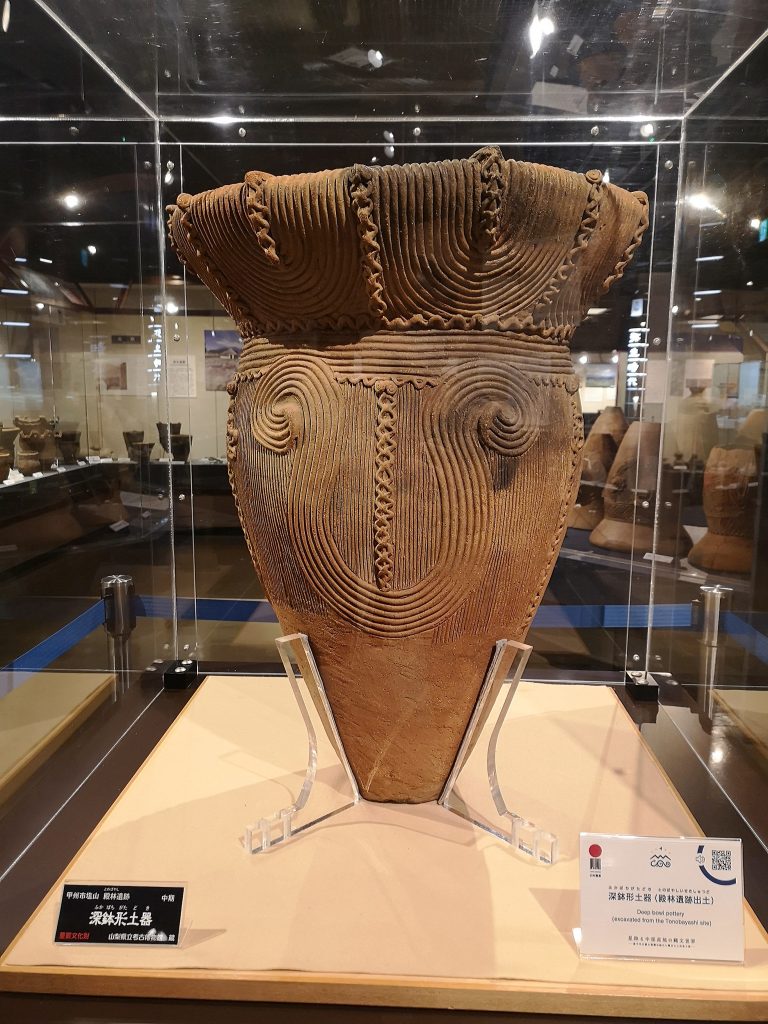
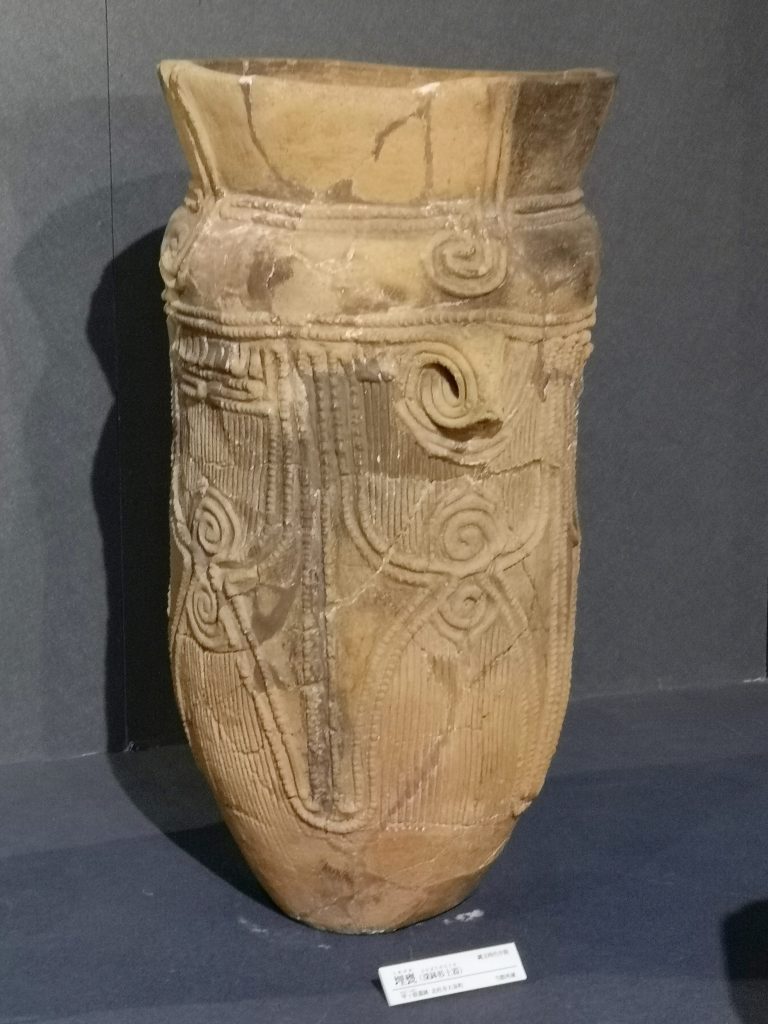
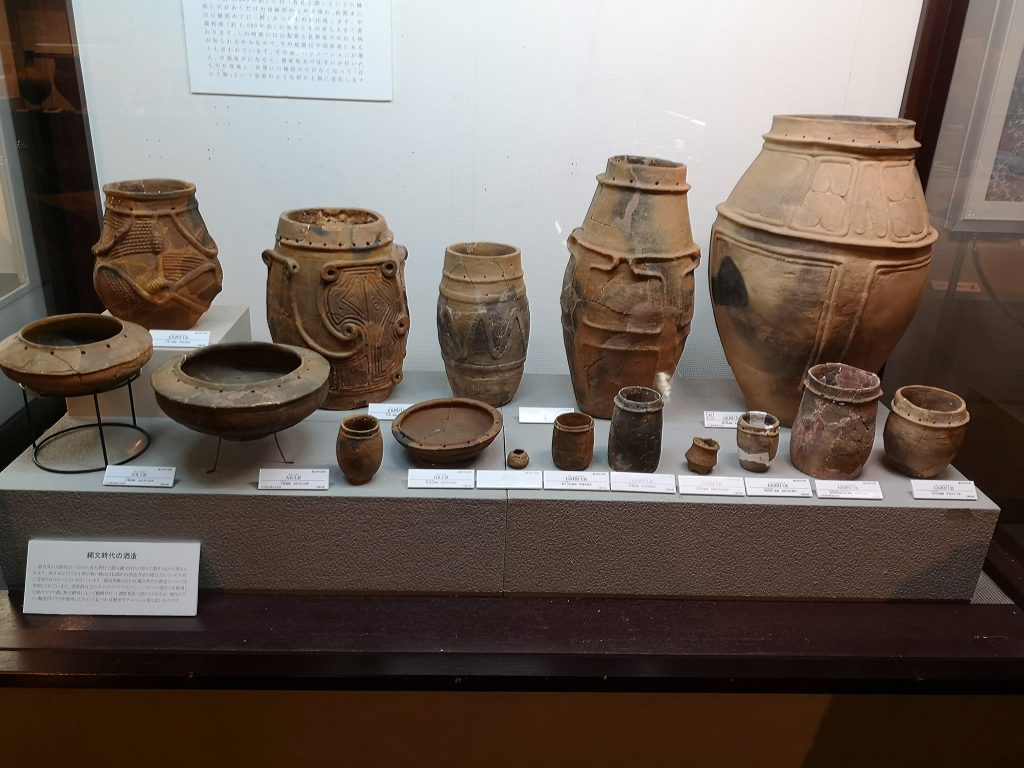
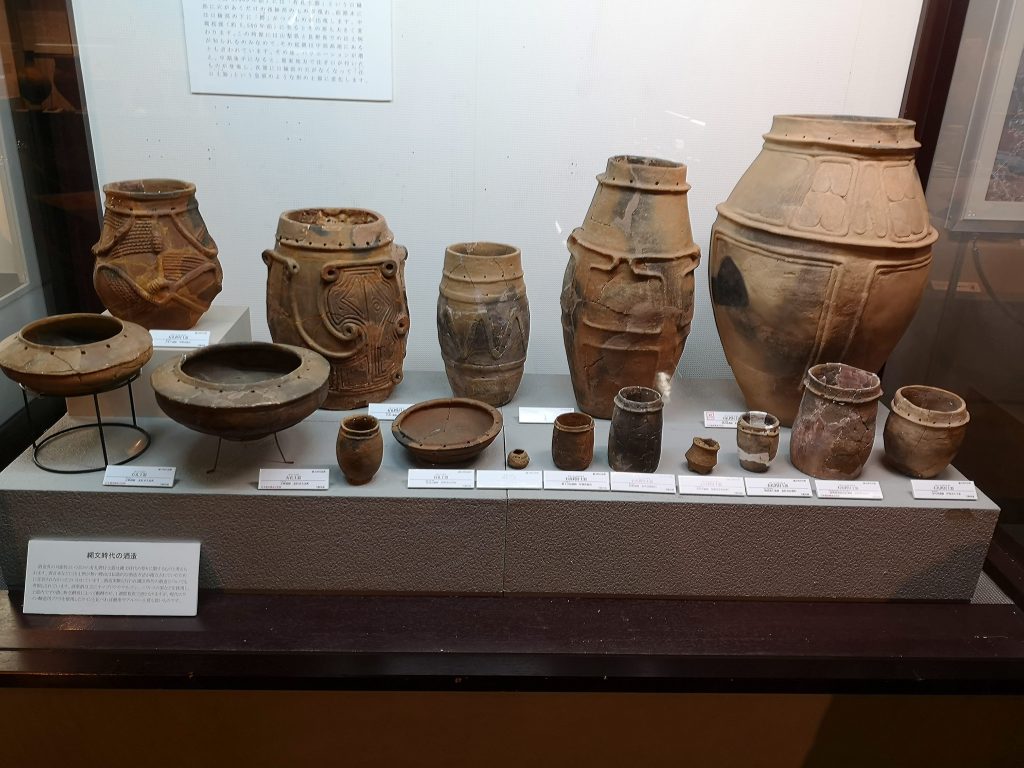
Deep bowl earthenware with rope markings.

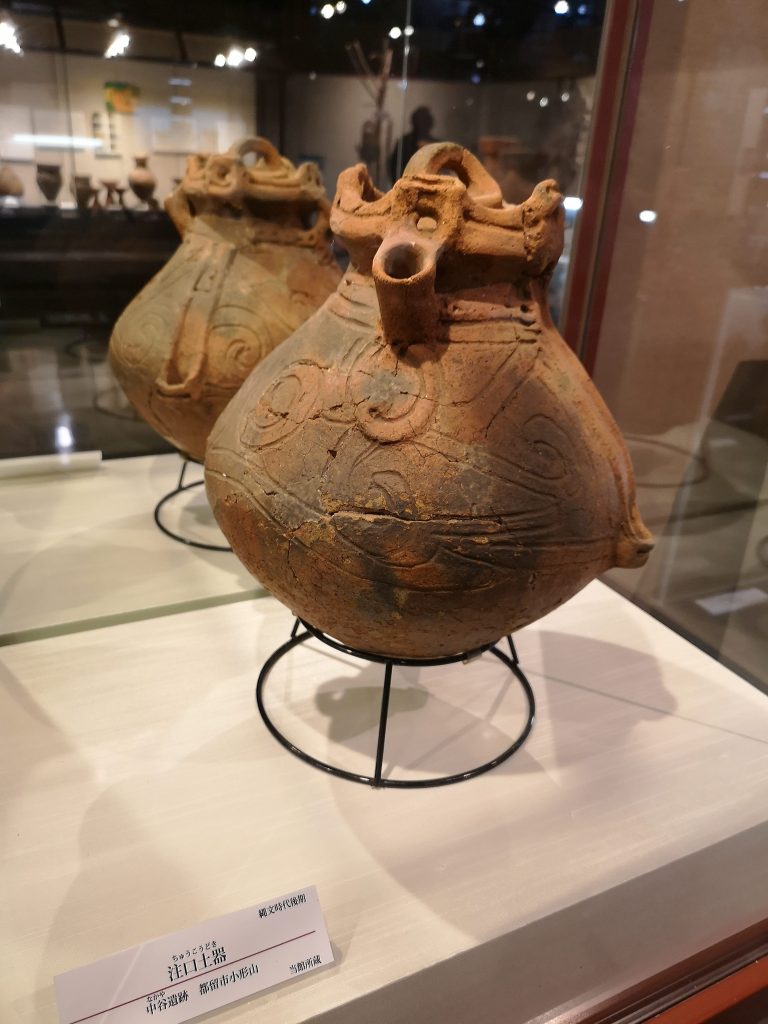
A great number of the Jomon clay figures and earthenware were found in the central highlands between current Nagano and Yamanashi Prefectures. The excavation locations coincided with the locations of obsidian mines.

Shakado Museum of Jomon Culture, 1/23/2022

In the late Jomon period, the earthenware found became simpler than the earlier one. It was thought that the climate had gradually become cooler and the population and number of villages decreased in the central highlands.

Yamanashi Prefectural Museum of Archaeology, Kofu-city, Yamanashi, 1/23/2022

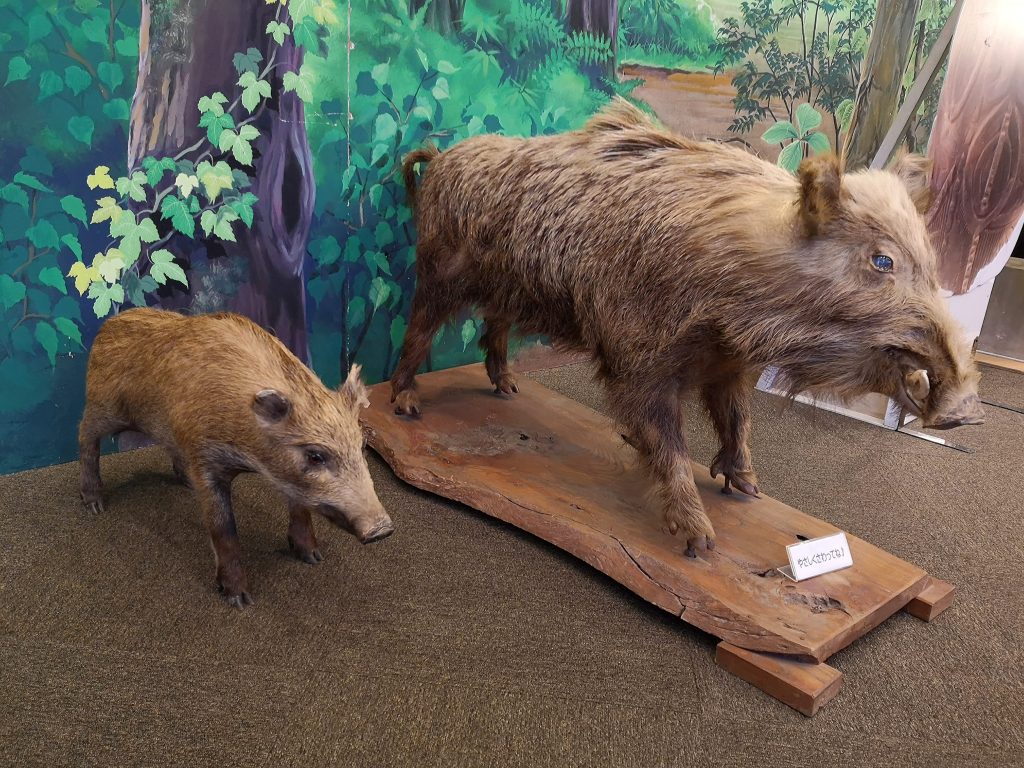
Additional items other than earthenware in the museums

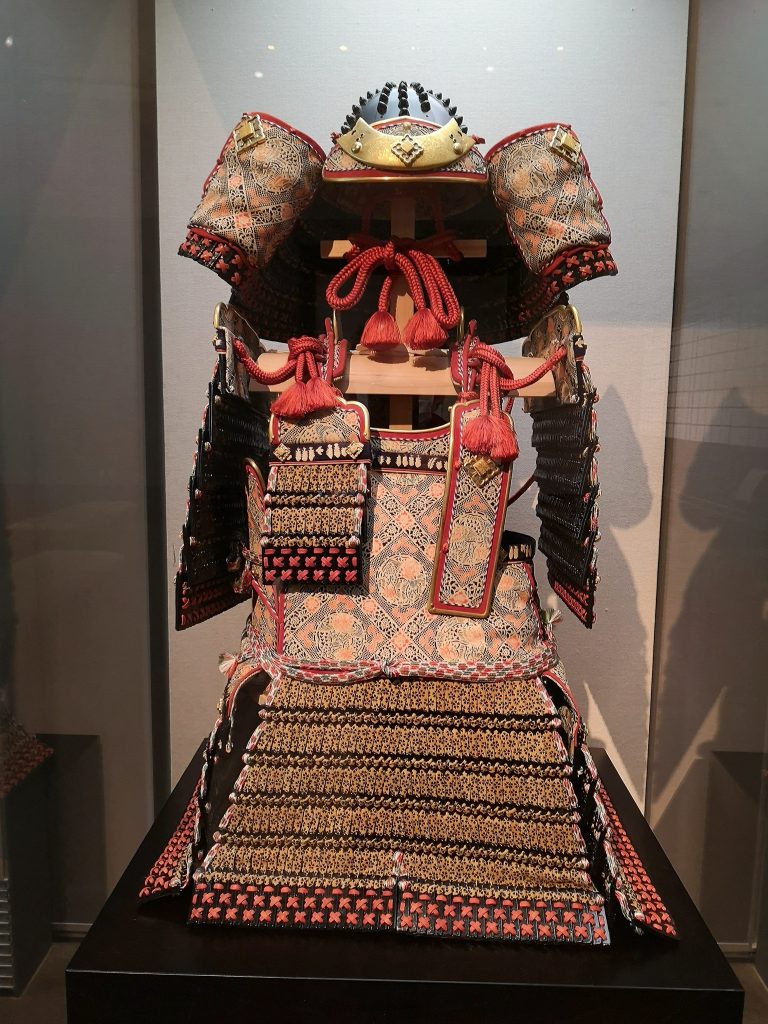
Japanese armor (replica)

Yamanashi Prefectural Museum, Fuefuki-city, Yamanashi, 1/23/2022

FYI: https://www.metmuseum.org/toah/hd/jomo/hd_jomo.htm; https://www.yamanashi-kankou.jp/english/discover/yamanashi-prefectural-museum-of-archaeology.html

The Colder It Is, The Cheaper It Would Be

“The Colder The Better, The Fair 2022” The Yatsugatake Area, 01/15~02/22 was canceled on 01/26/2022 from the following day until the last day. Since the Quasi-State of Emergency has been underway in Nagano Prefecture and the number of the omicron variant of Covid-19 has been drastically increasing in Yamanashi Prefecture, this year’s fair ended prematurely. The streets of the major town of the event in the Kiyosato district of the town of Takane, the city of Hokuto, in Yamanashi Prefecture was dead quiet on 01/30/22.

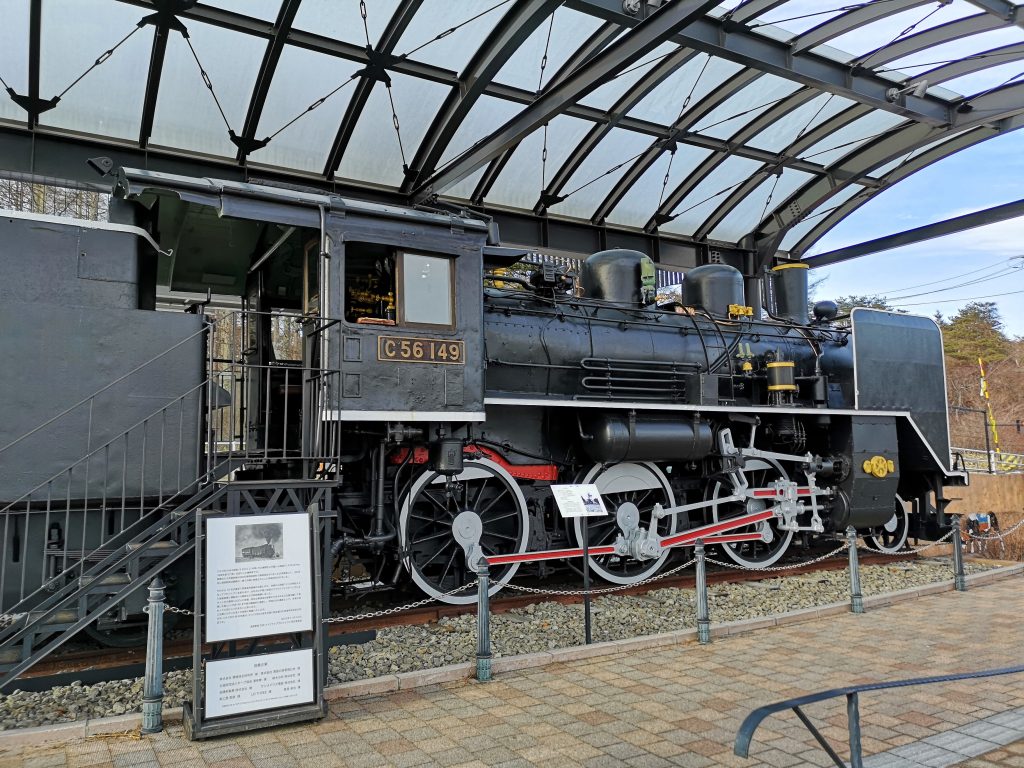
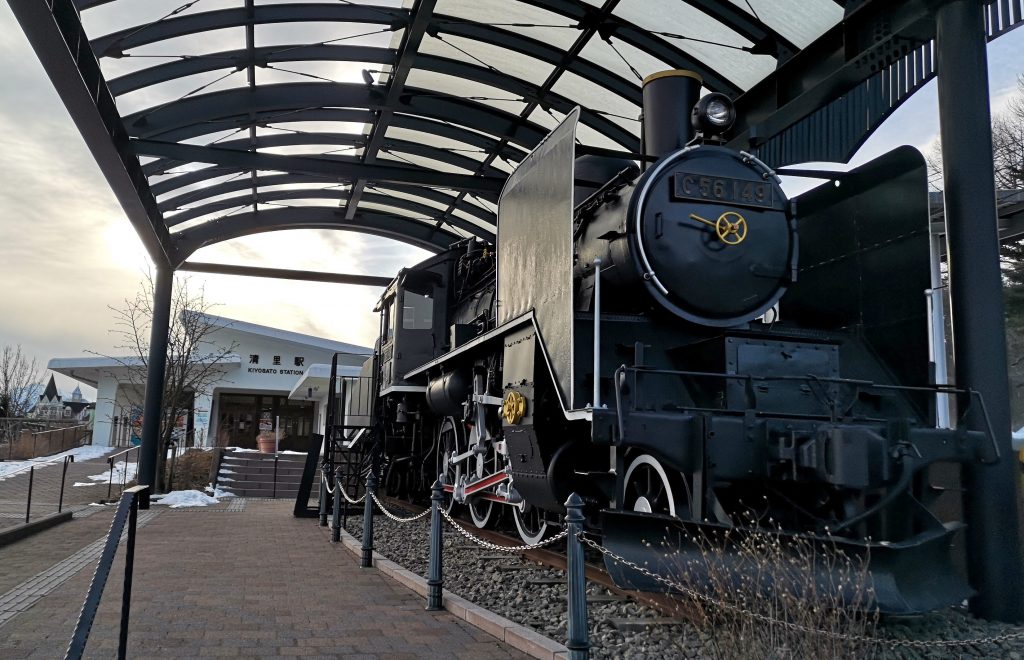
The C56149 steam railcar exhibited at Kiyosato Station build in 1938 was running between Kobuchisawa, Yamanashi Prefecture and Komoro, Nagano Prefecture in the JR Koumi Line. There is the highest point on any JR line near Nobeyama Station; the elevation is 1,375m. The steam engines in the line were terminated in 1972. One of the C56149 railcars was repaired and transported to the current place in 2009.