Doshi Village and Doshi Road

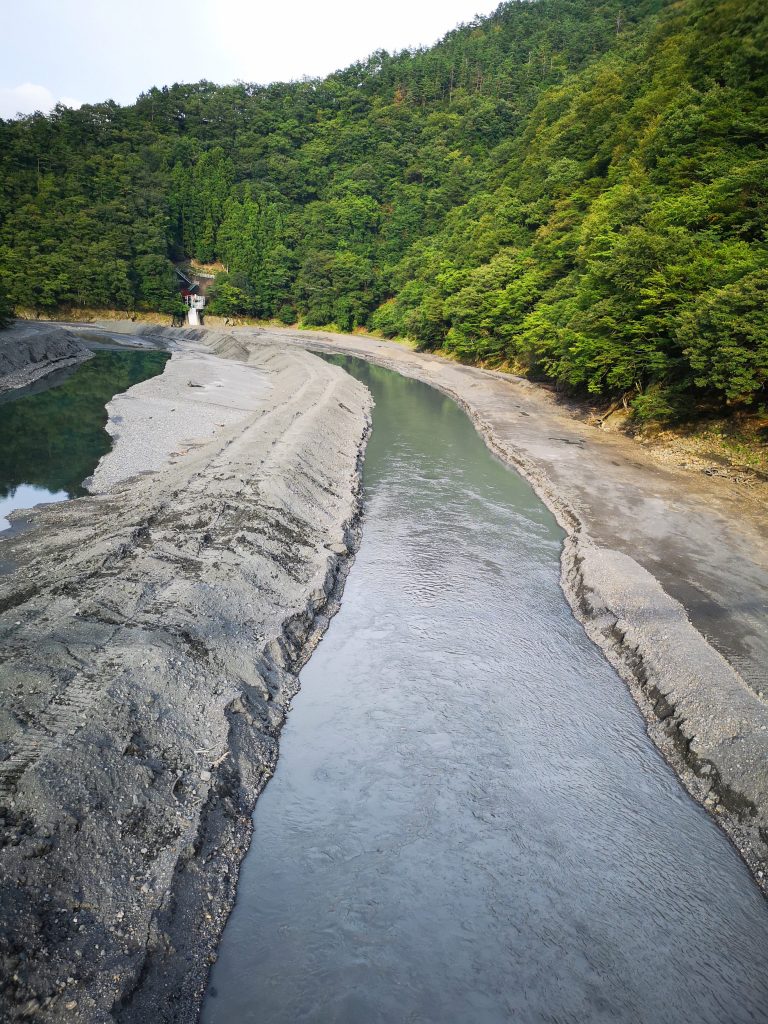
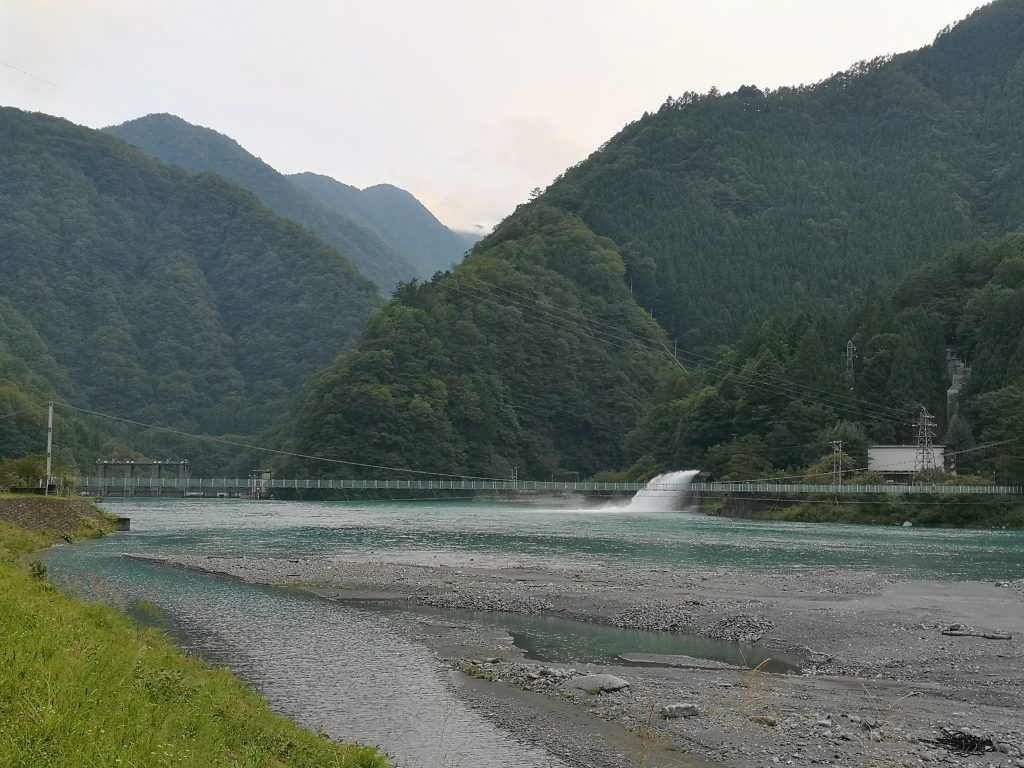
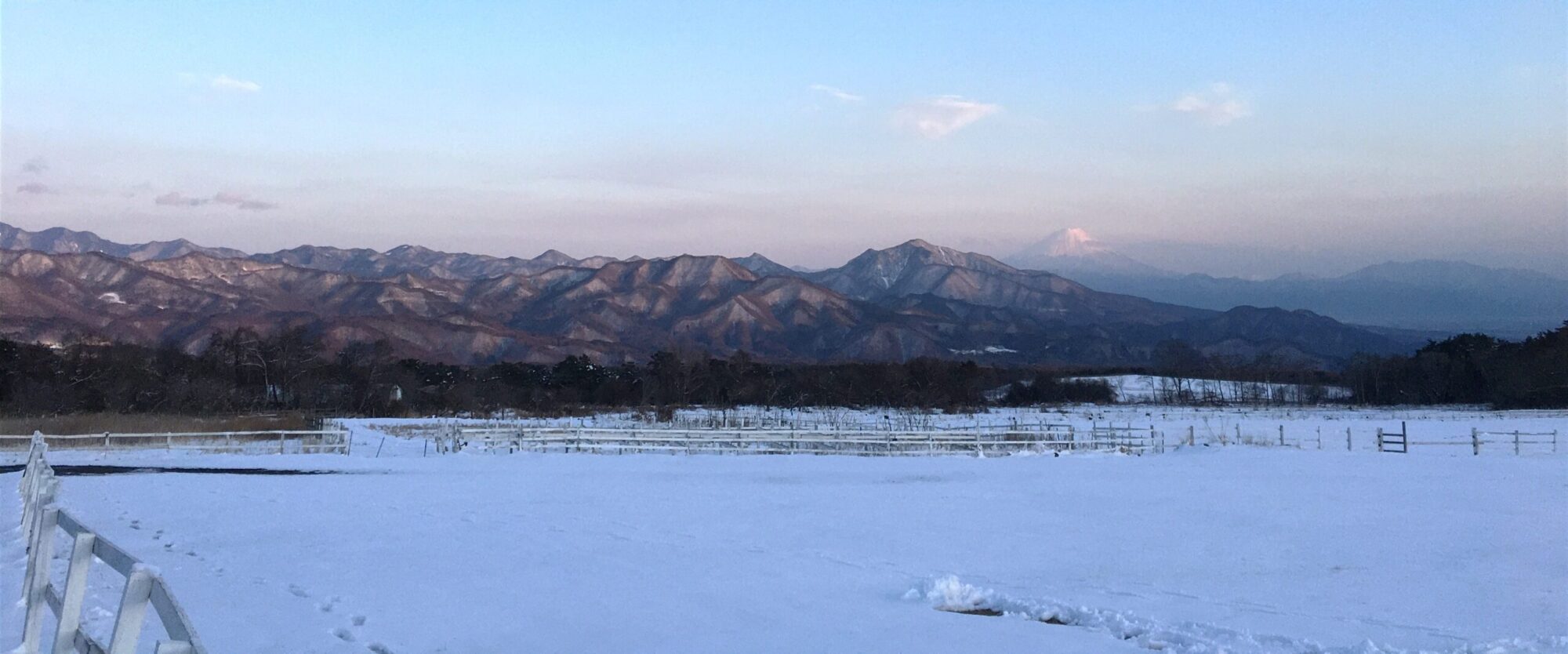
Doshi-mura (the village of Doshi) is located in the southeastern corner of Yamanashi prefecture next to Kanagawa prefecture. Doshi Road, part of Route 413, was part of the Tokyo Olympics Cycling Road Races located in the middle of the Tokyo, Kanagawa, Lake Yamanaka, and Mount Fuji areas. And also, this road is a very popular motorcycle road from the Tokyo area through Mount Fuji to the Hakone area. Even today there were tens of thousands of motorcyclists in this narrow mountainous road. About a hundred motorcycles were parked at Michino-eki (Road Station) Doshi.
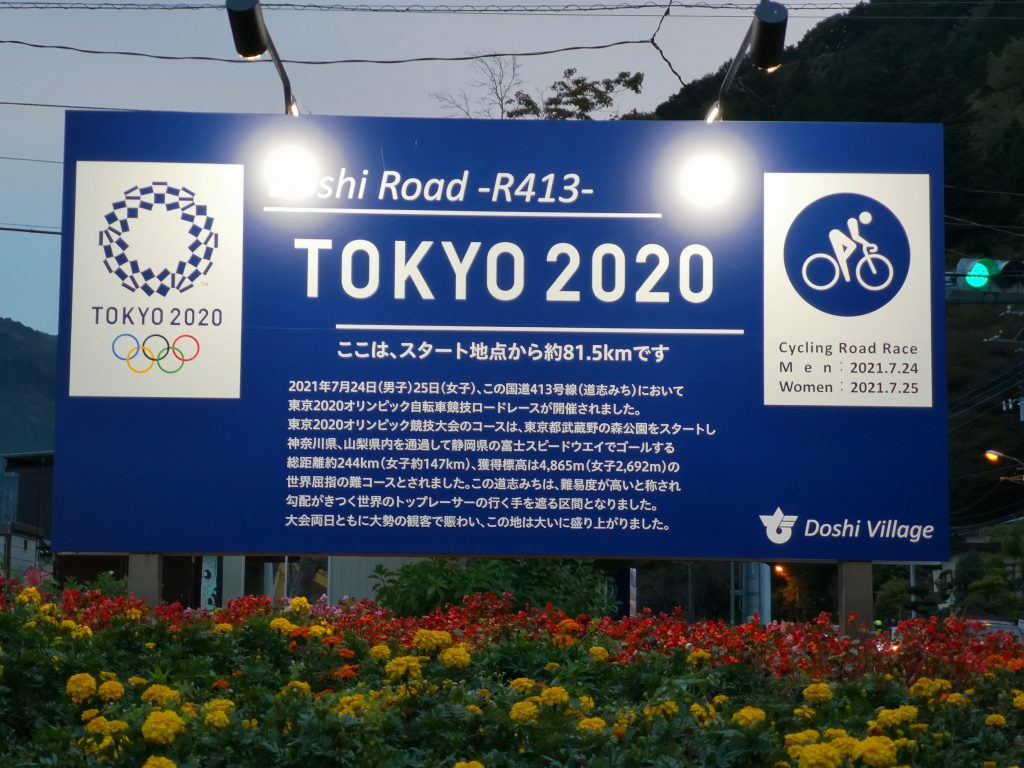
Road Station Doshi, Doshi-village, Yamanashi, 10/24/2021
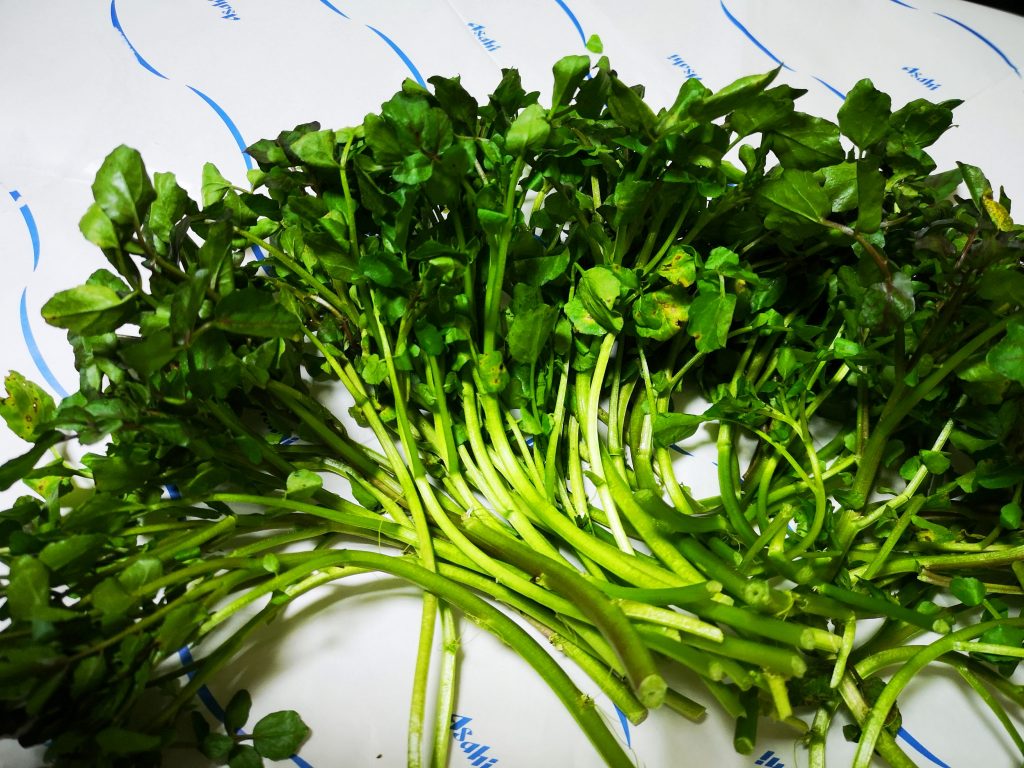
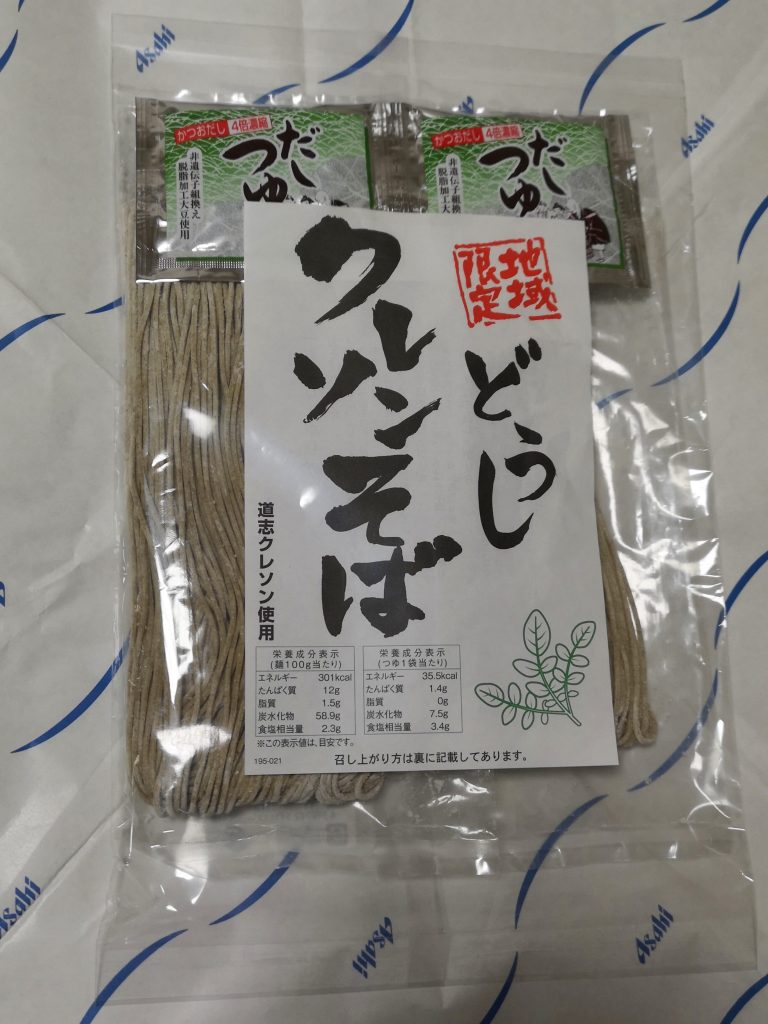
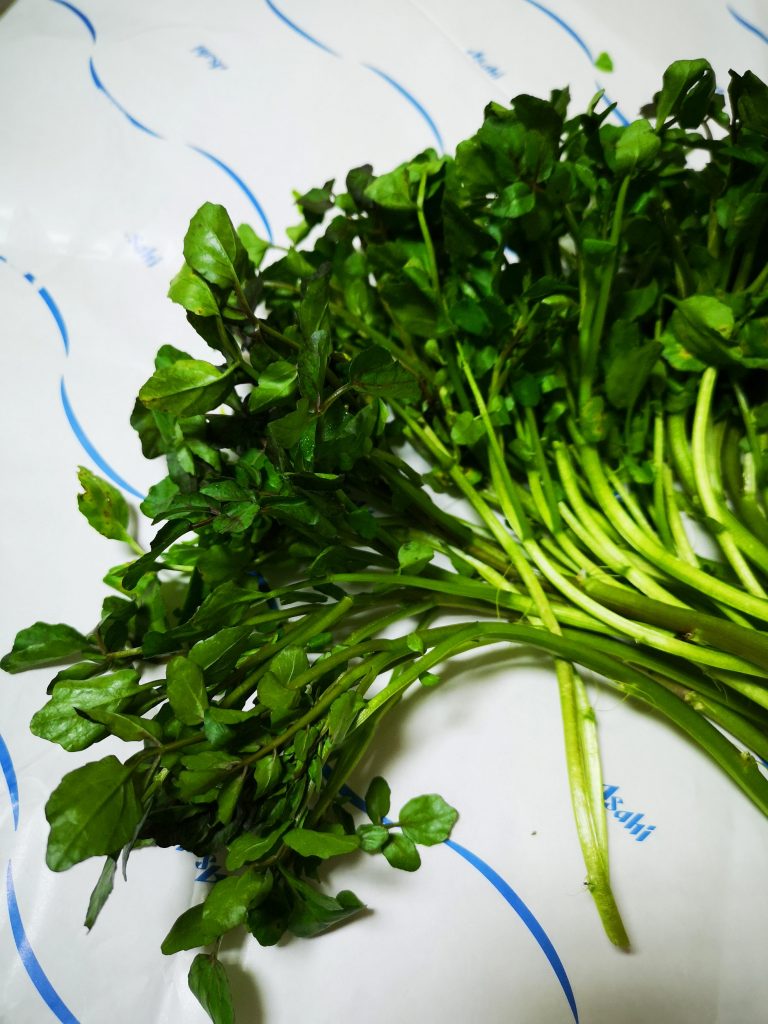
Doshi-village is famous for its watercress. Because of its clear mountainous water, its quality is superb. You can find almost any products with watercress you can think of here.
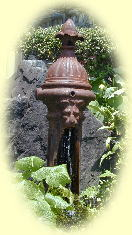
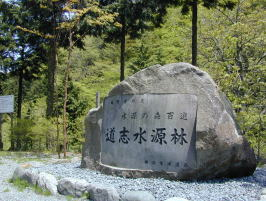
Yokohama-city has been depending on its water resource to Doshi-village since the Meiji period, and it maintains the watershed protection forest covering about 2800ha in Doshi. There used to be a lion head common plug and a bluff gutter donated by Yokohama-city in Showa 57 (1982), but I saw it nowhere. It seems that there are several remained in Yokohama-city; it is said that originally 600 common plugs were imported from the UK.

Doshi Village: https://en.wikipedia.org/wiki/D%C5%8Dshi; https://www-vill-doshi-lg-jp.translate.goog/?;_x_tr_sch=http&_x_tr_sl=ja&_x_tr_tl=en&_x_tr_hl=ja

Doshi Road: https://en.wikipedia.org/wiki/Japan_National_Route_413

Road Station Doshi: https://www.michieki-r413.com/contents/introduction/item.php#01

It seems that a lion head common plug and a bluff gutter are found in the courtyard of the Yokohama Archives of History: https://en.wikipedia.org/wiki/Yokohama_Archives_of_History. Cited as follows:

JAPAN’S FIRST STREET-FOUNTAIN and BLUFF GUTTER

This fountain is a replica of the old street fountain placed at every 300 feet along the streets of Yokohama when Japan’s first modern waterworks was introduced in Yokohama in 1885-87.  In those days water supply to individual houses was rare, and each of these street foundations was shared by several houses.  The first 600 street fountains were imported from Glenfield Coy Ltd., Scotland.

Used here as the basin is a part of the old stone gutter placed along the streets of the Bluff and other foreign settlement area in the 19th century.

July 1987, Yokohama Archives of History
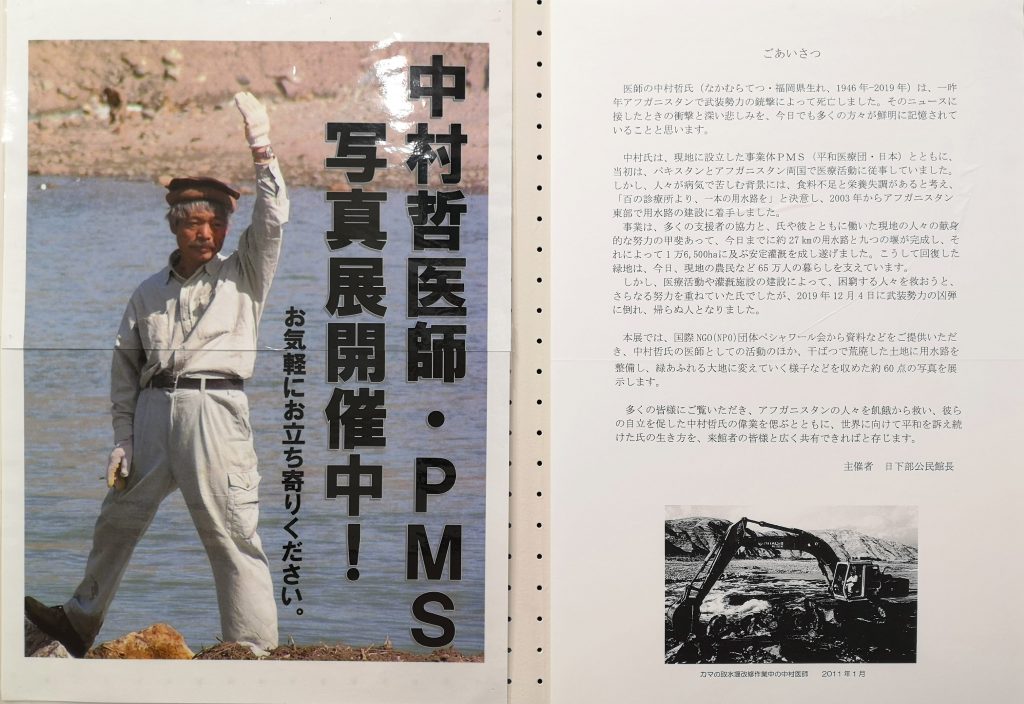
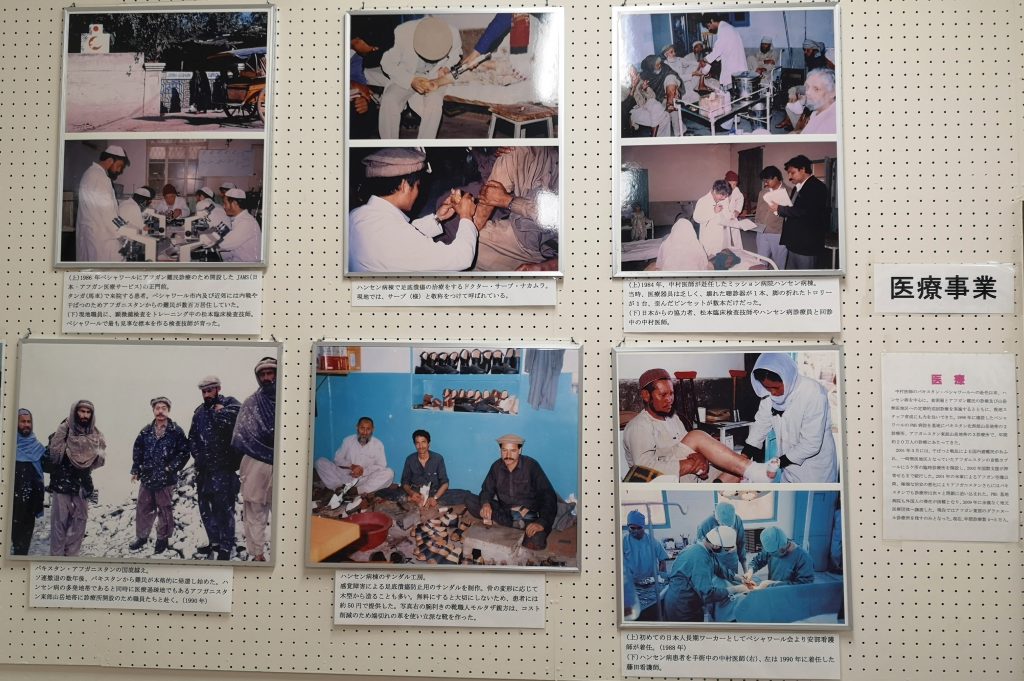
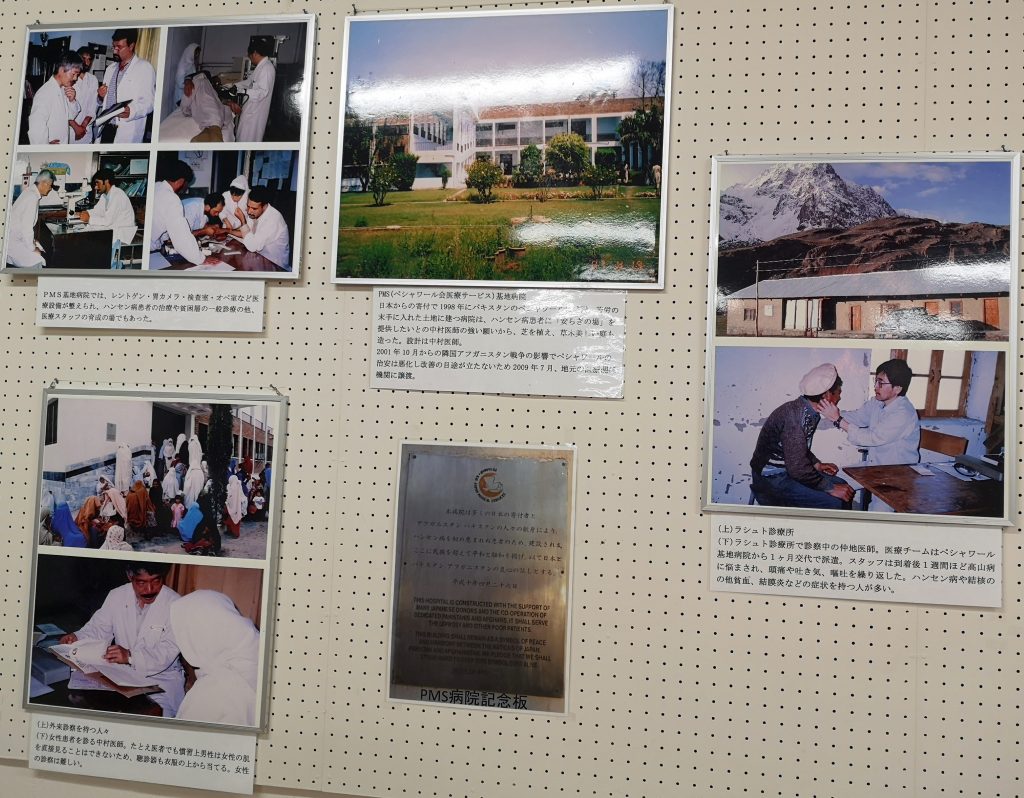
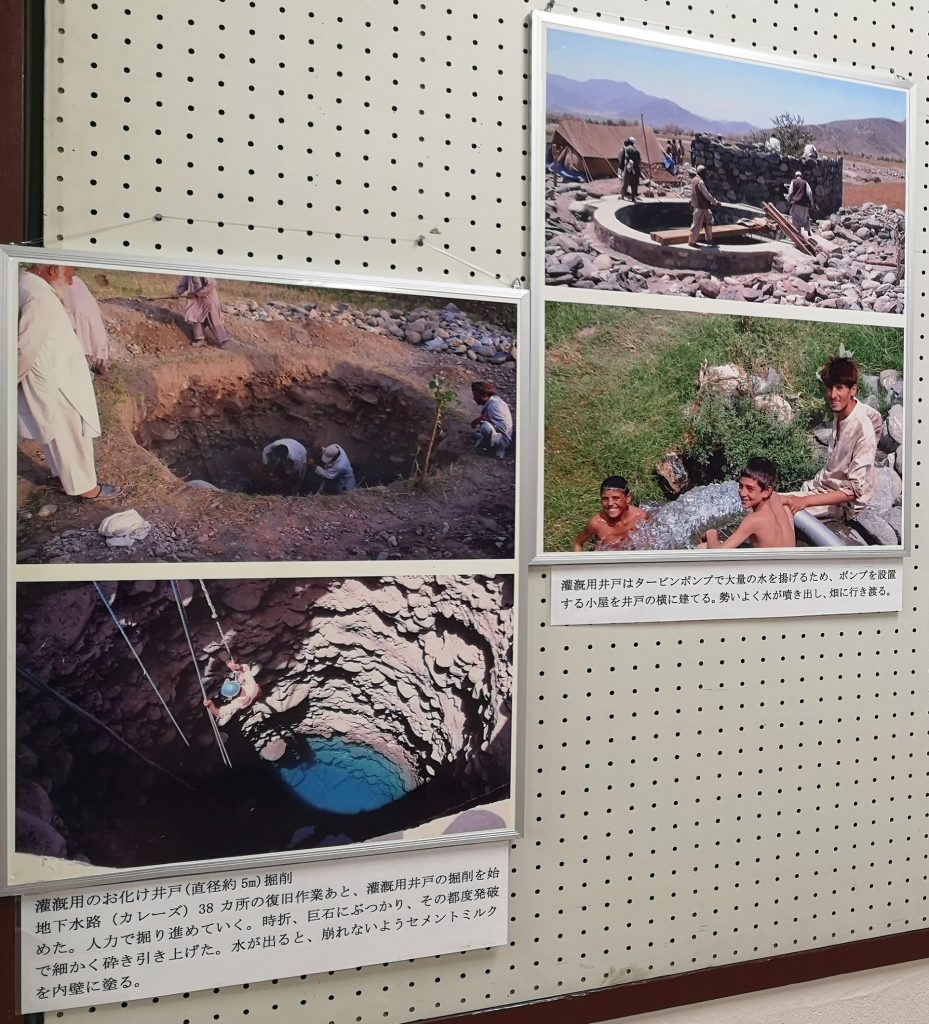
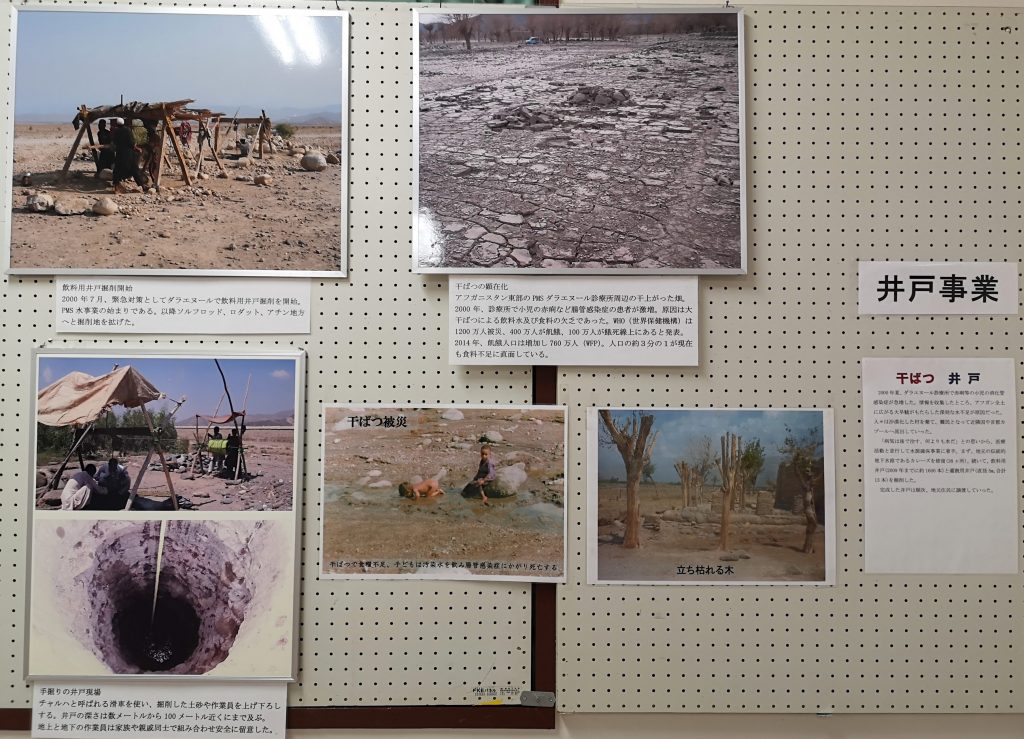
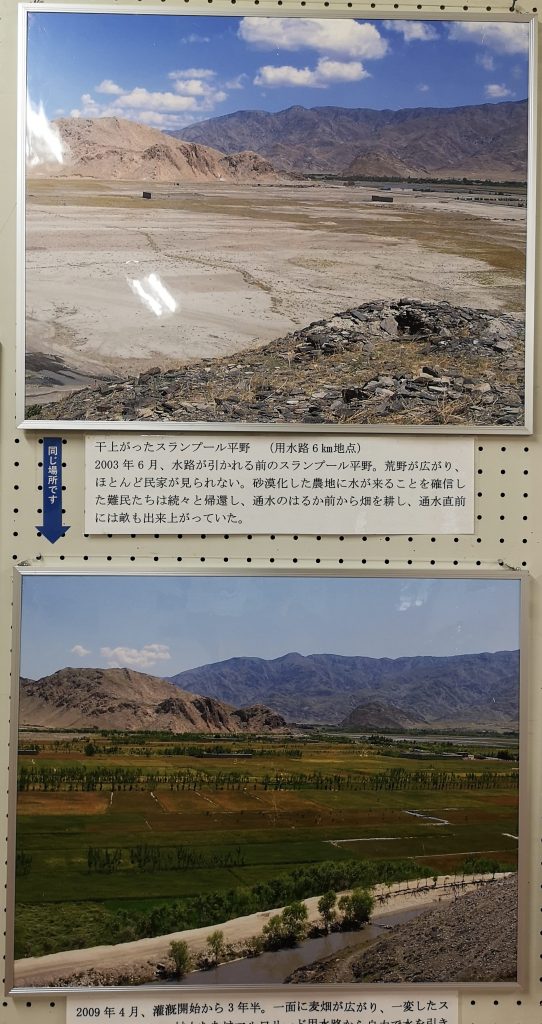
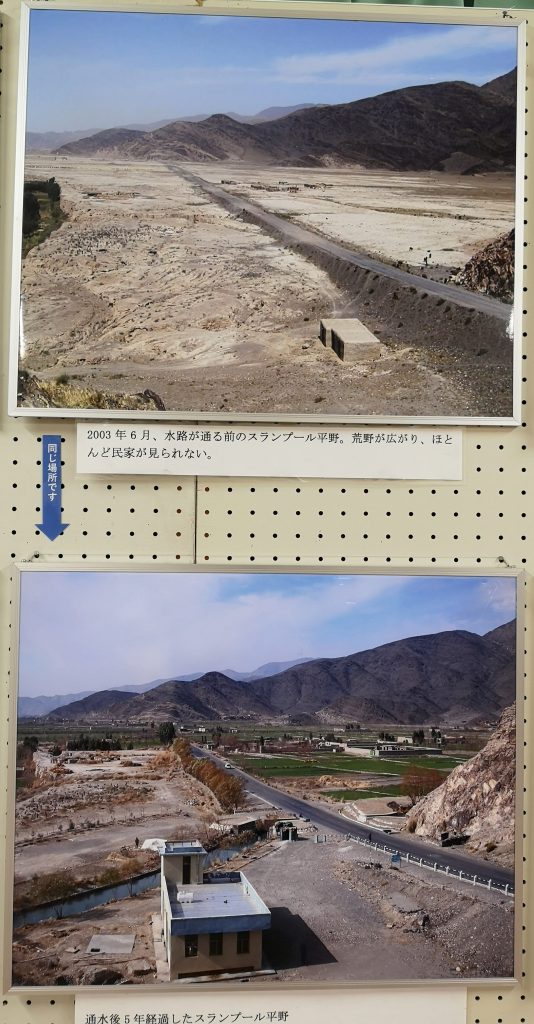
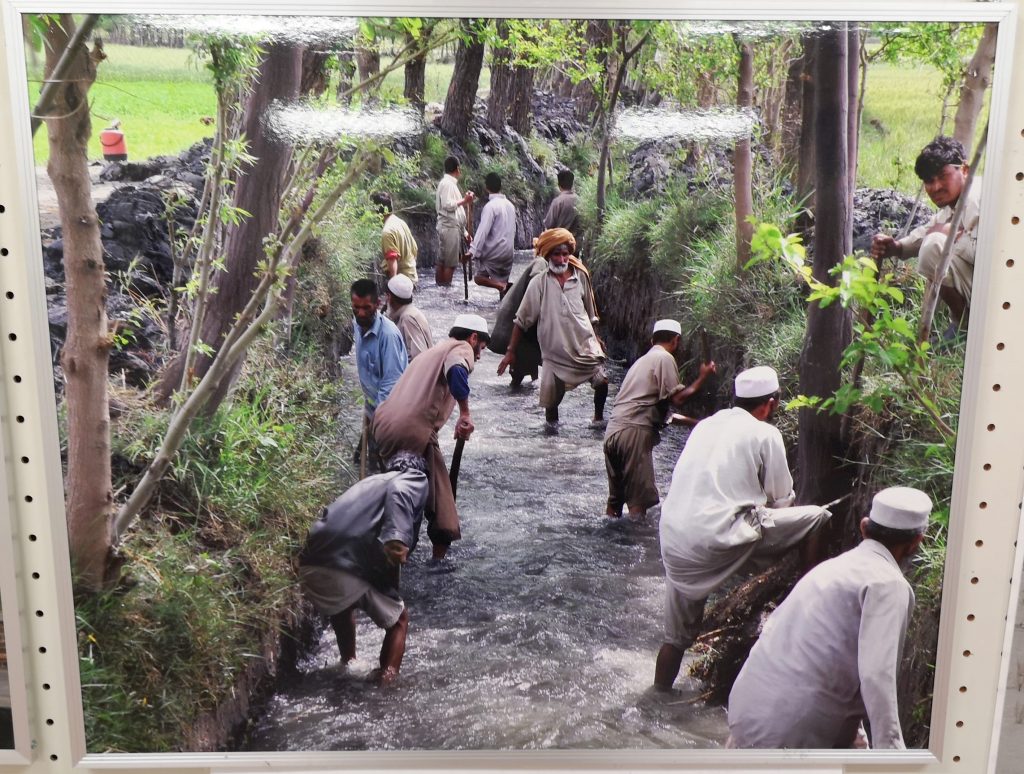
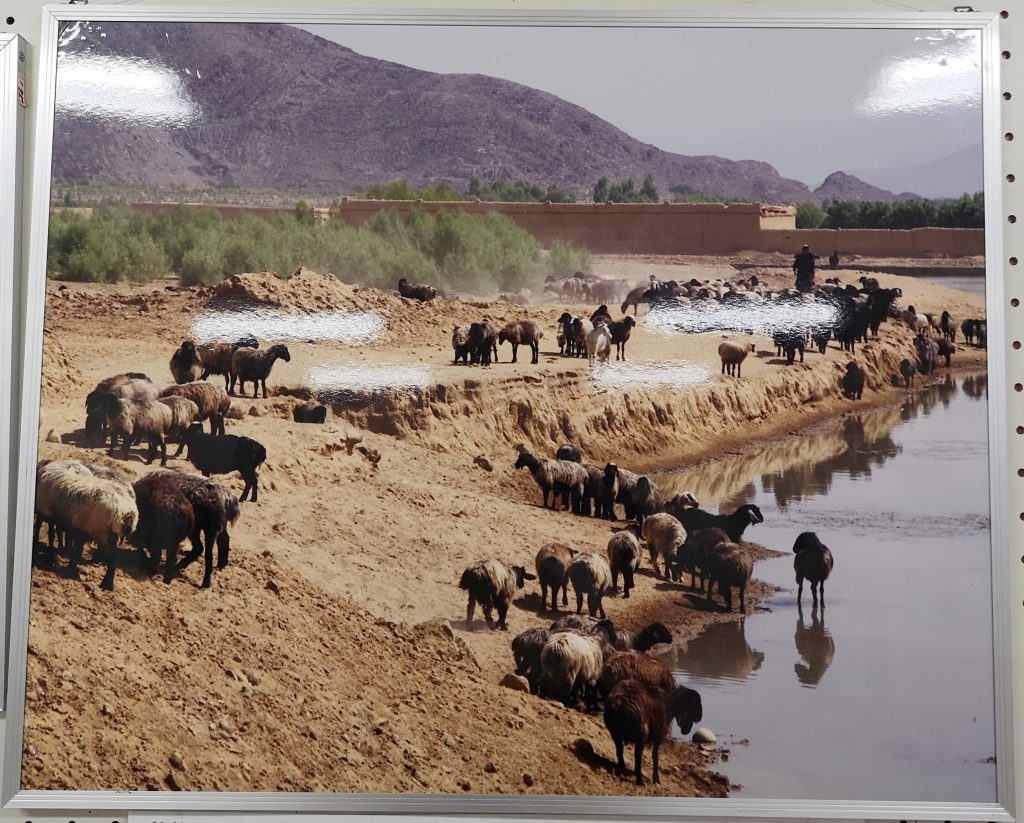
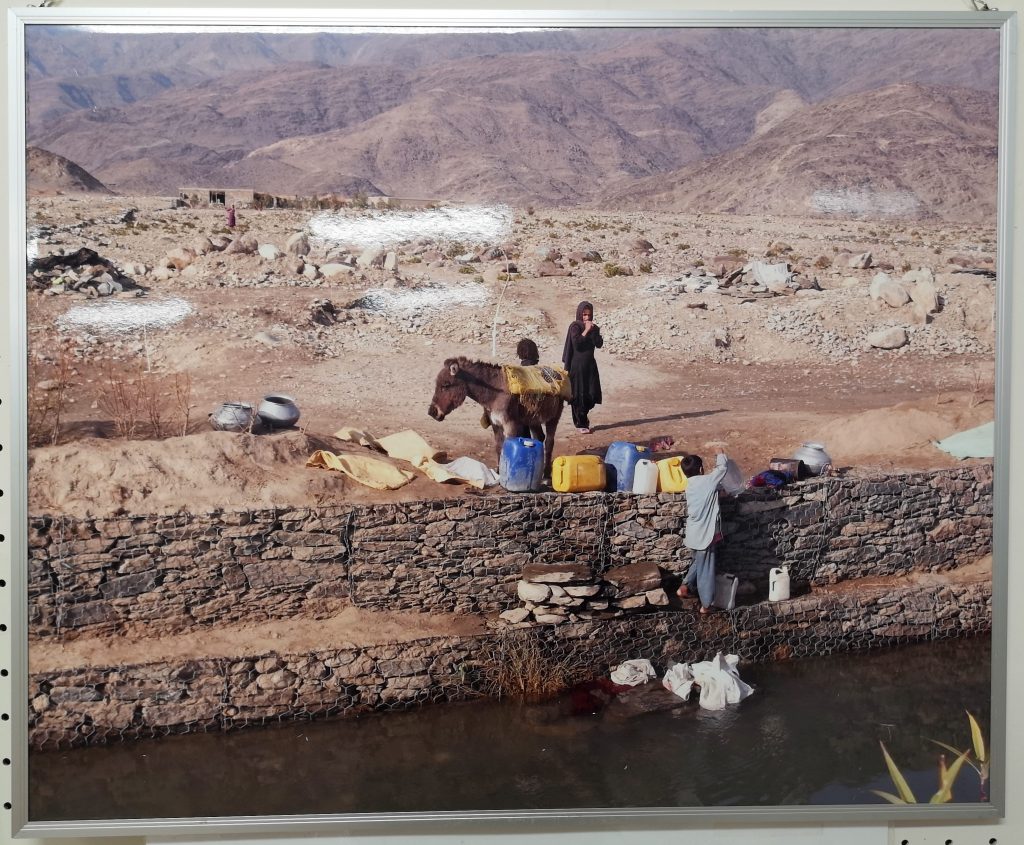
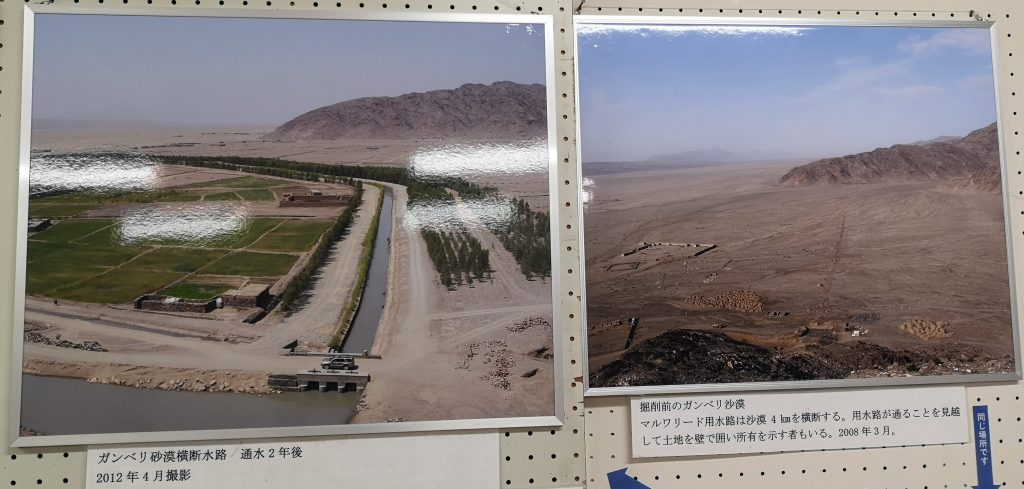
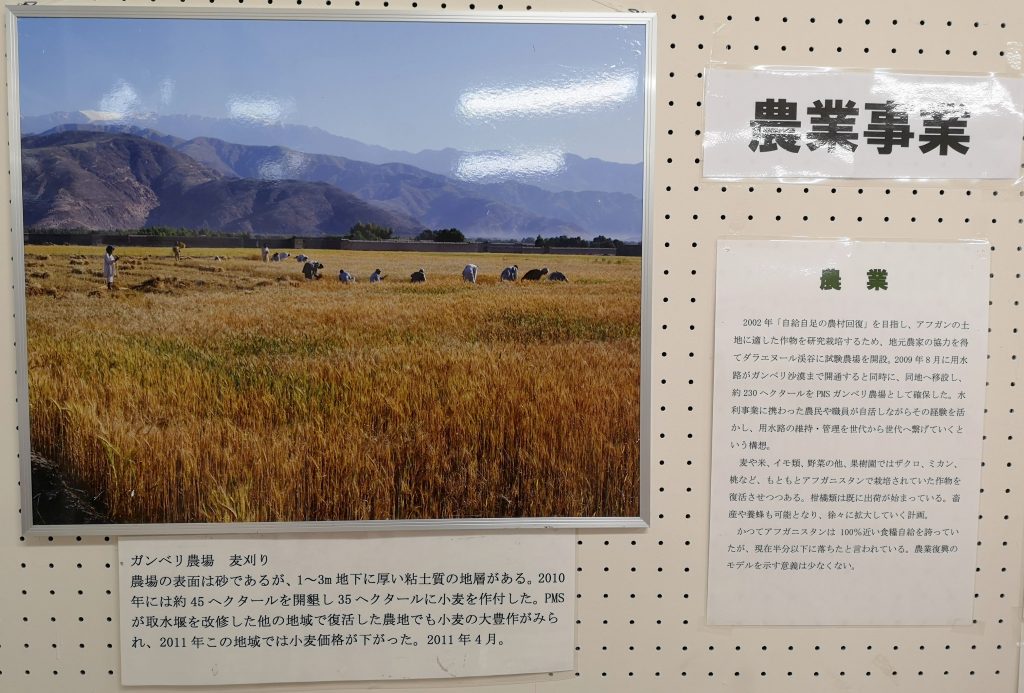
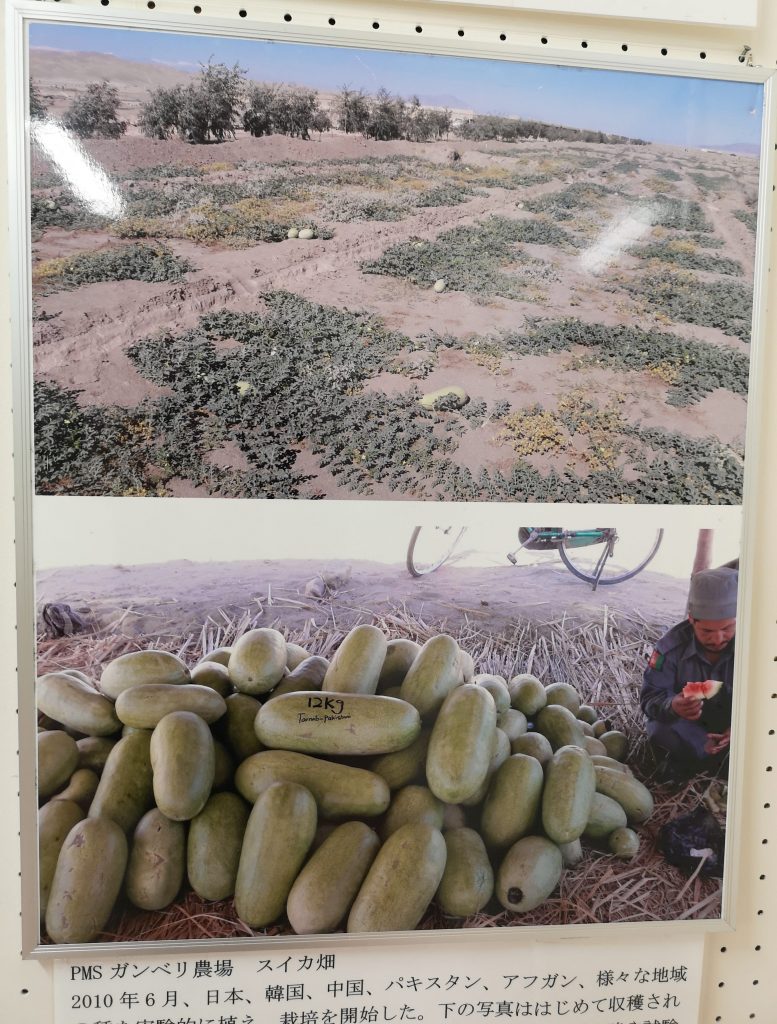
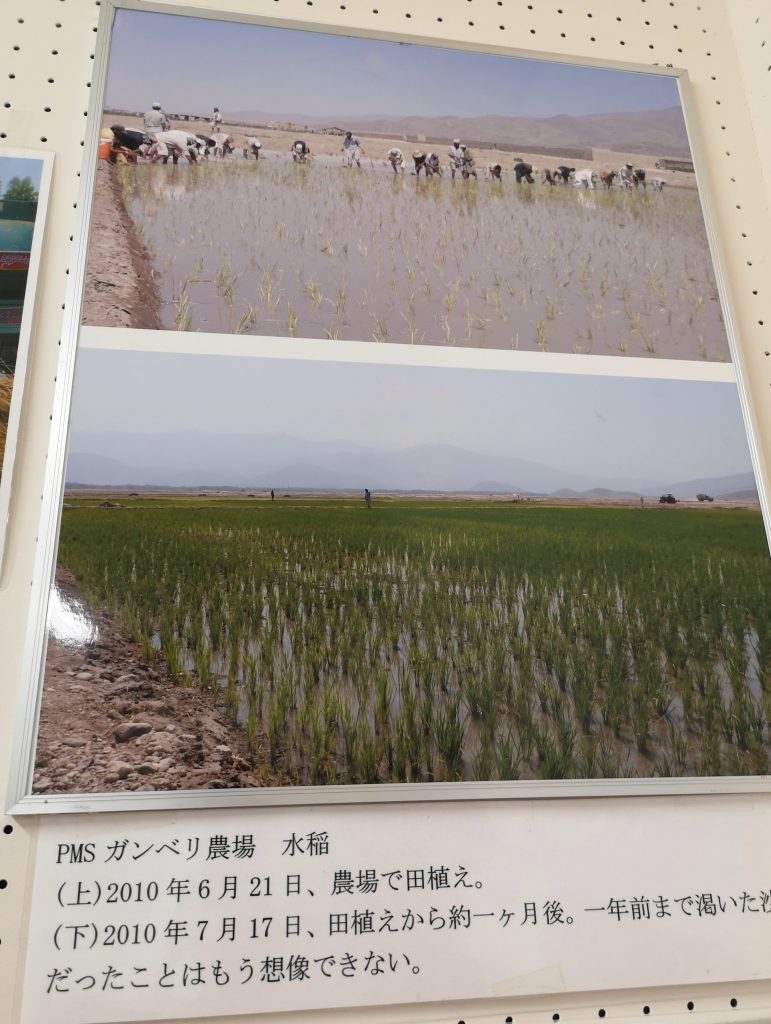
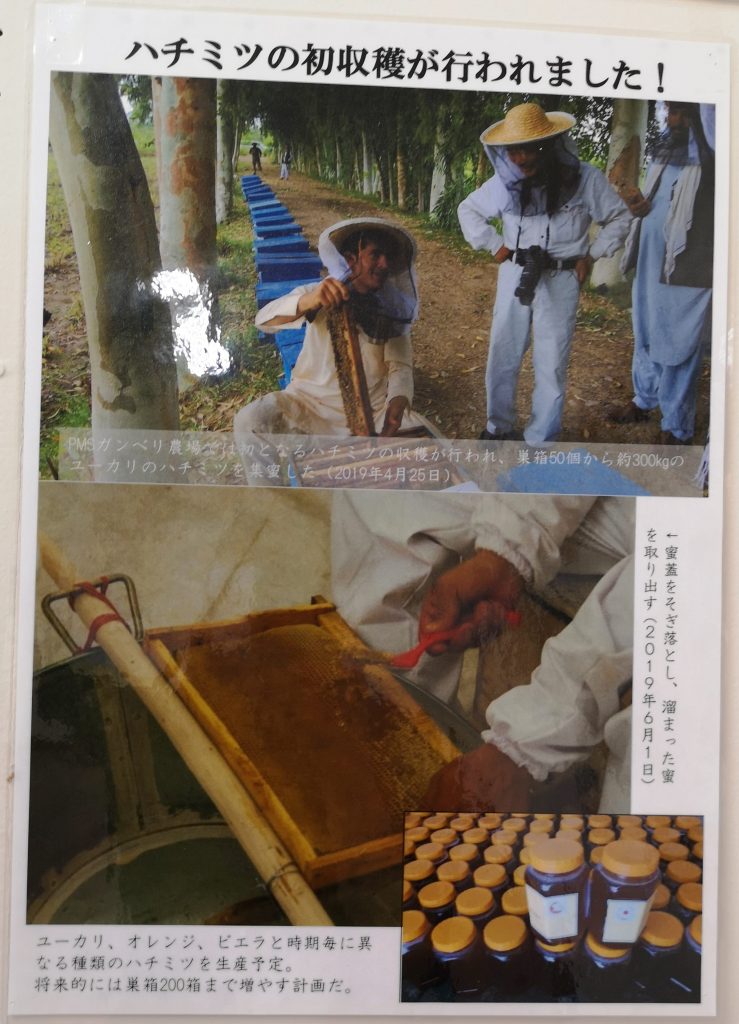
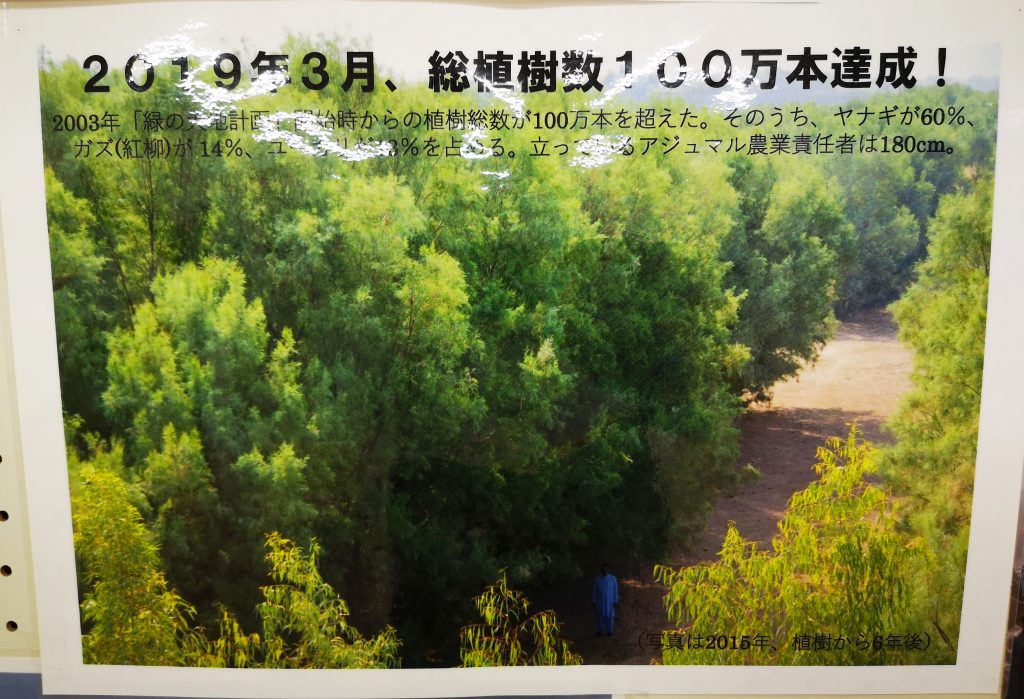
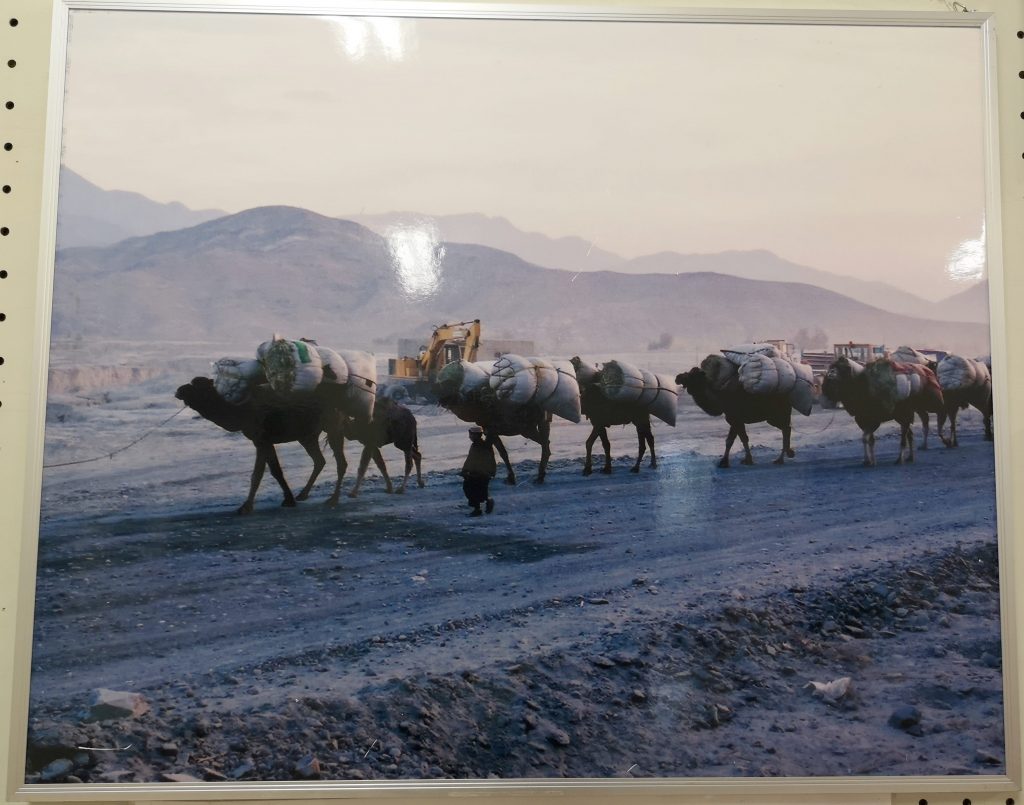
Tetsu Nakamura, A Japanese Physician and Honorary Afghan Citizen
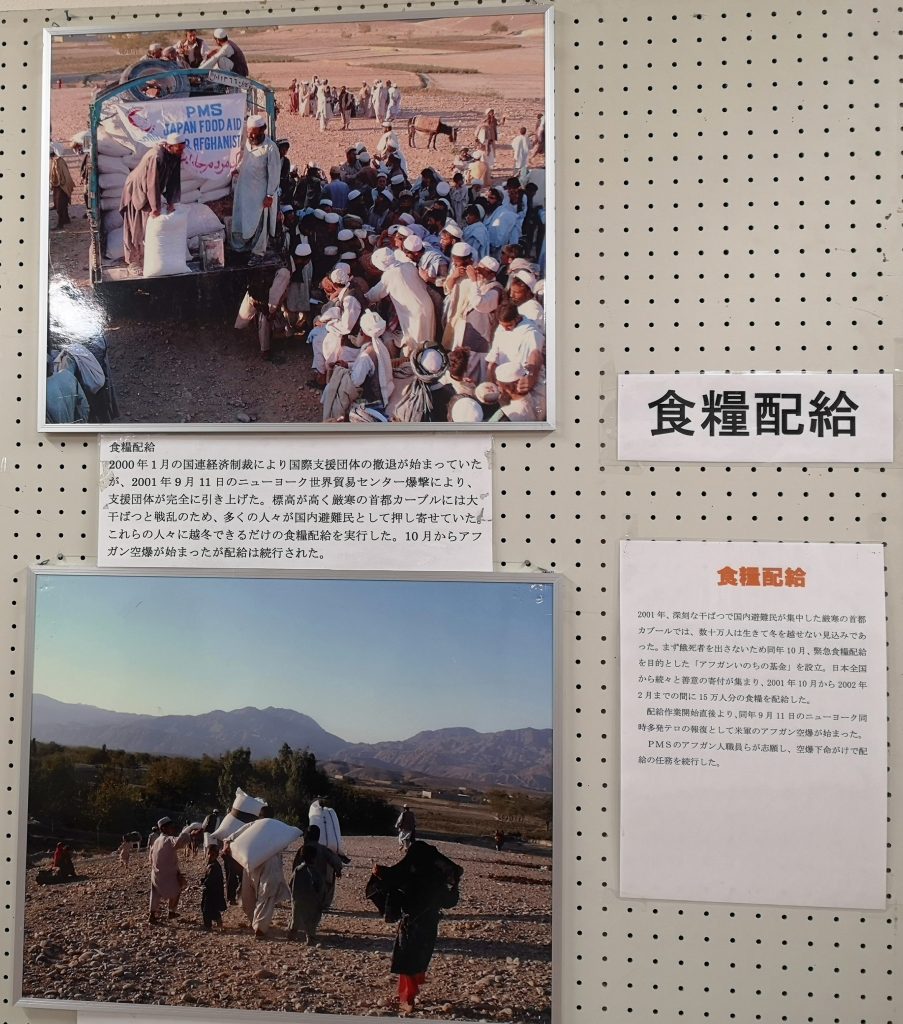
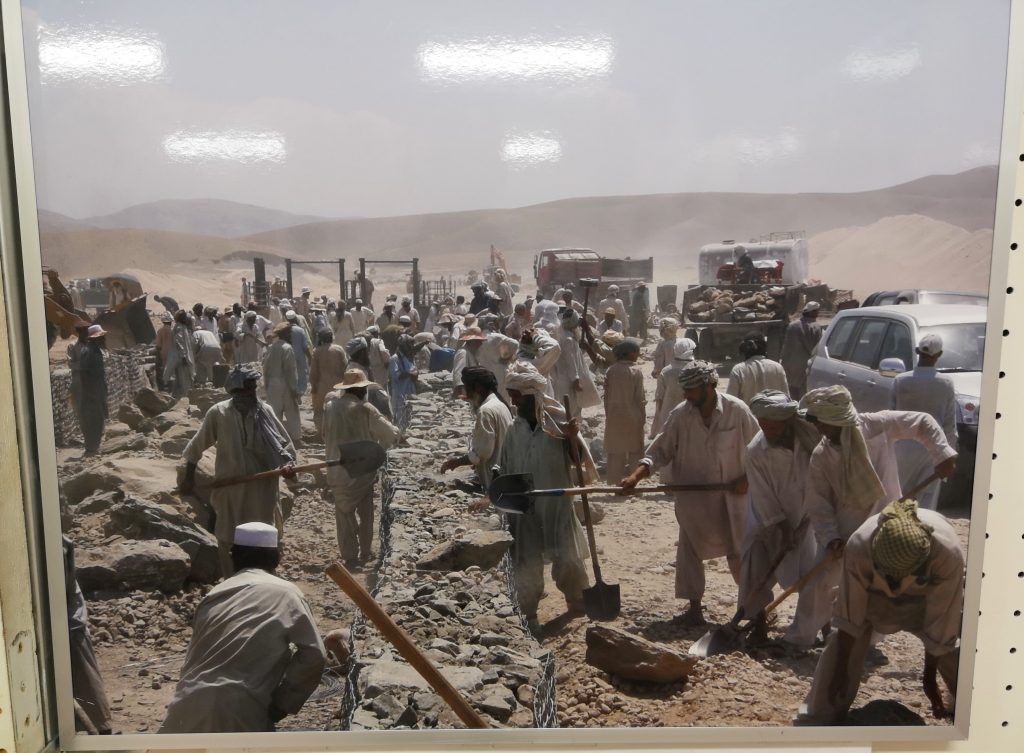
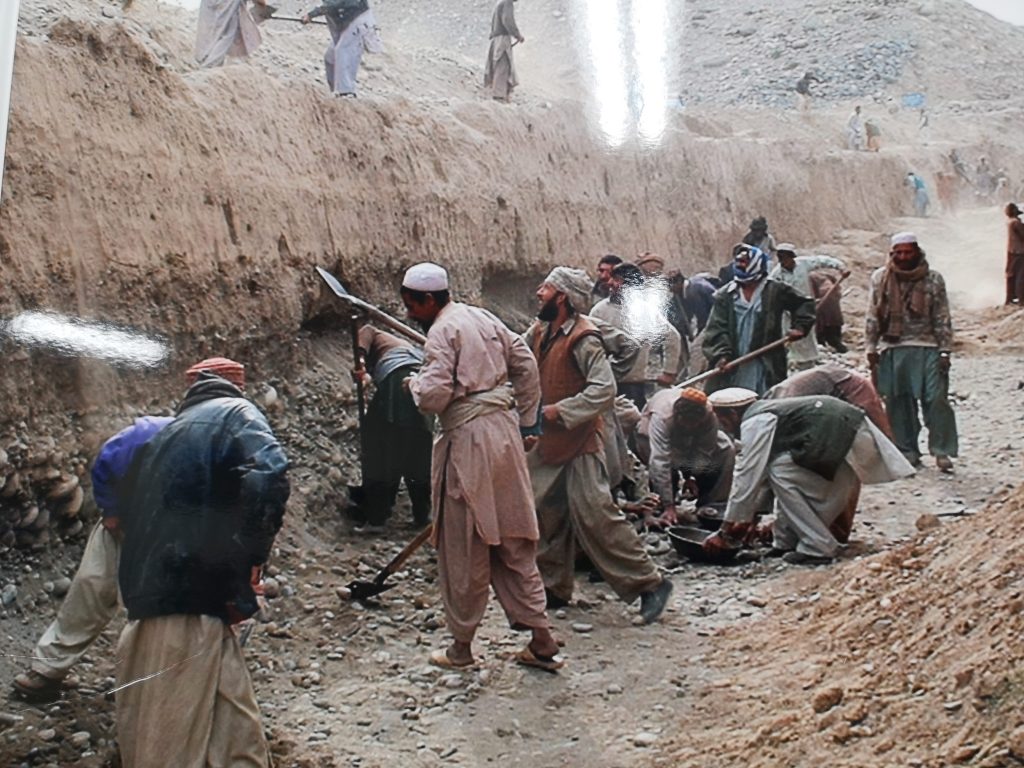
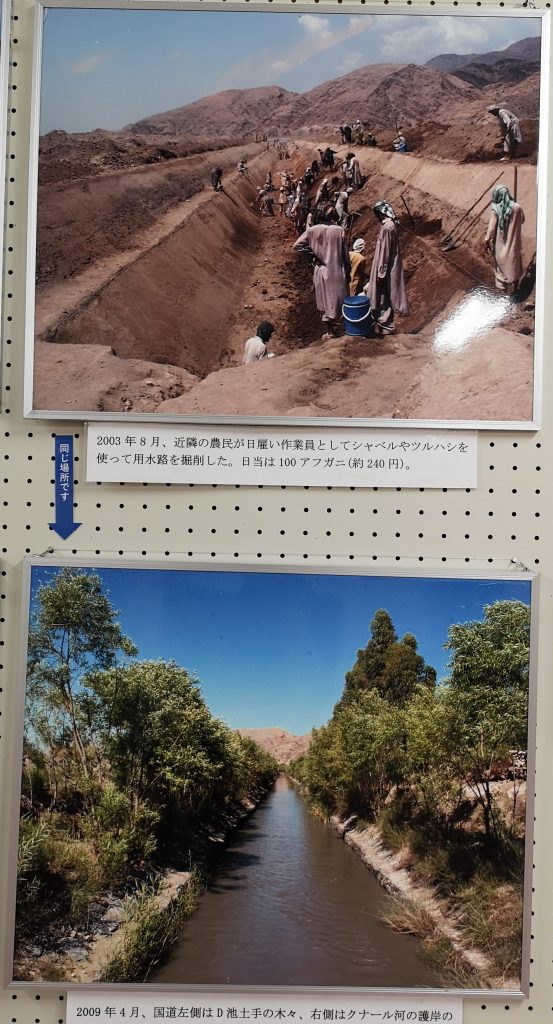
A photo exhibition and a DVD screening were held to commemorate the second year anniversary of his death at Kusakabe Community Center in Yamanashi-shi, Yamanashi, October 5-10, 2021.
“We choose not to go to the places where everyone is willing to go, but rather to the places where help is desperately needed and no one else is willing to go.” (Tetsu Nakamuta)

・Brighten the World in Your Corner (https://specials.nishinippon.co.jp/tetsu_nakamura/ )

・Water, Not Weapons _ The Greening of Afghanistan [NHK World-Japan] (https://www3.nhk.or.jp/nhkworld/en/special/episode/202107040910/, sorry no longer available)

・About Peshawar-kai and Peace Japan Medical Services (PMS) (http://www.peshawar-pms.com/eg/index2.html)

In 1978, Tetsu Nakamura served as a medic for a Fukuoka Climbing Association mountaineering team that had an expedition to climb Mount Tirich Mir in western Pakistan. He was drawn to it because he loved climbing and collecting insects. The PMS was set up in 1983 to support Nakamura’s medical activities in the remote Pakistan and Afghanistan mountainous regions. Starting from 2000, a severe drought hit the eastern Afghanistan. Then, he soon realized that “One irrigation canal will do more good than 100 doctors.” He started building an irrigation canal getting water from the Kunar River, inspired from the irrigation canals that had been built in Fukuoka, Japan in the Edo period more than 200 years ago. The rest is history.

Food Distribution Services

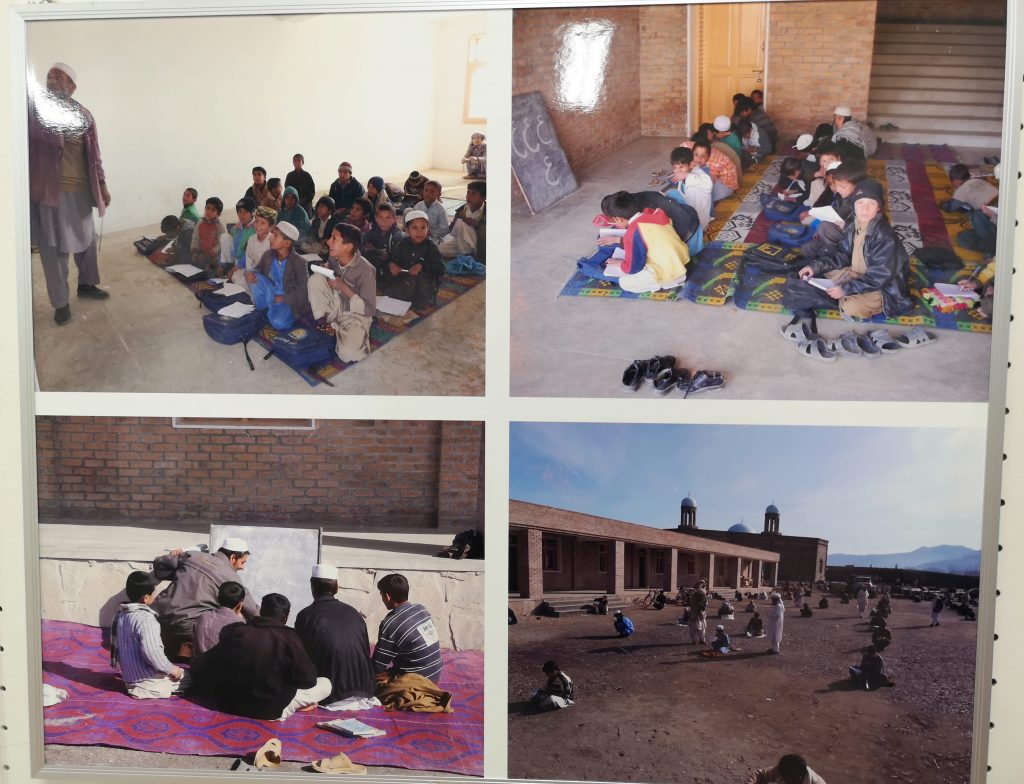
A Mosque and Madrasa (an Islamic School)

The country of Afghanistan is in chaos again. What has the United States of America done in the country for the last twenty years? What will be the future of Afghanistan?

Food Drive, Yamanashi Food Bank

A food drive has been scheduled by Yamanashi Food Bank. It is an approved specified non-profit organization. October has been set as a promotion month for reducing food loss and waste by the government, and October 16th is World Food Day established by the United Nations to raise awareness of poverty and hunger. Yamanashi Food Bank has energetically been acting to help people in need and reduce the number of children in poverty. It set an special period, October 16 through November 16, 2021, to intensify food drive and arranged several food-collection places to increase the volume of foodstuffs donated by the people having a good spirit. (https://fbyamana.fbmatch.net/english/)

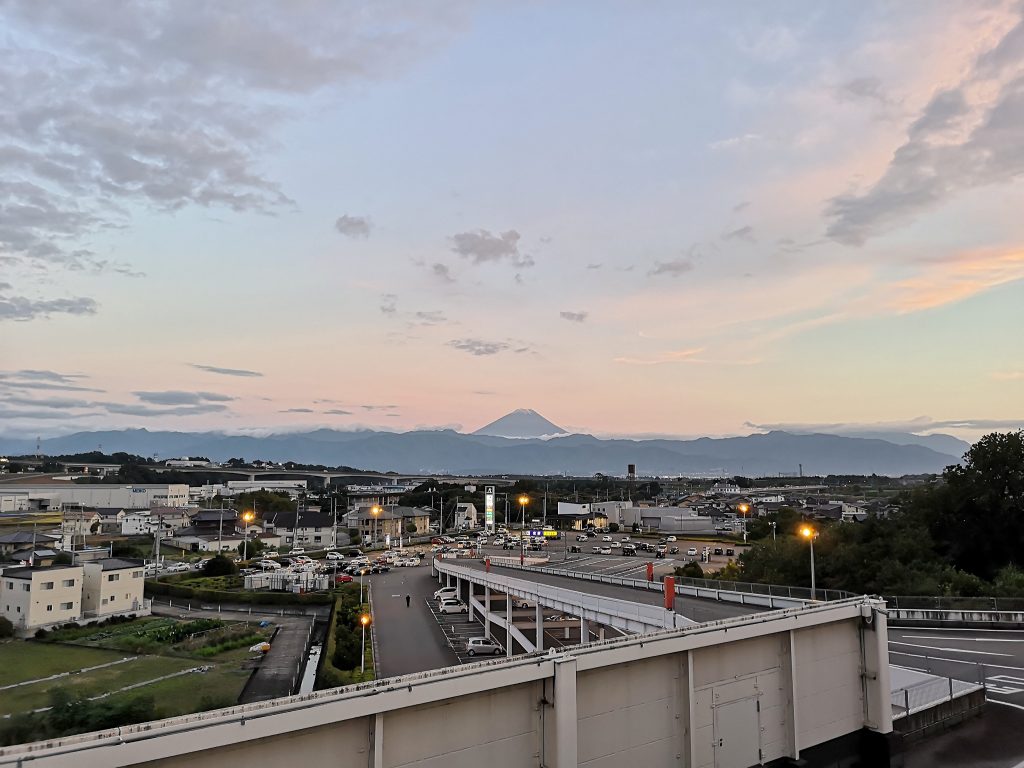
Mount Fuji’s First Snow-cap of the Season

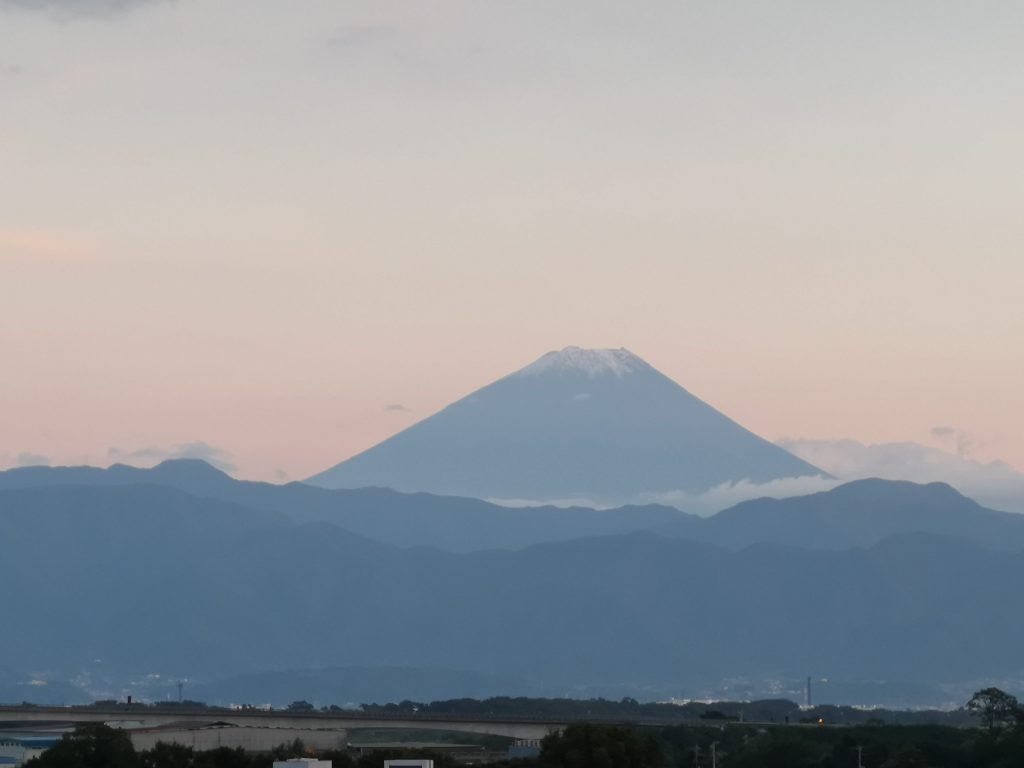
The Japan Meteorological Agency Kofu Meteorological Office re-announced that Mount Fuji got its first snow-cap of the season on September 26. According to The Mainichi Newspapers, the first snow-cap of the season on the 3,776-meter mountain had initially been announced on 9/7, but, the record was rescinded on 9/22 because it no longer met “snow-cap” after the average high temperatures on the peak were revised on 9/20.

Harvest Season

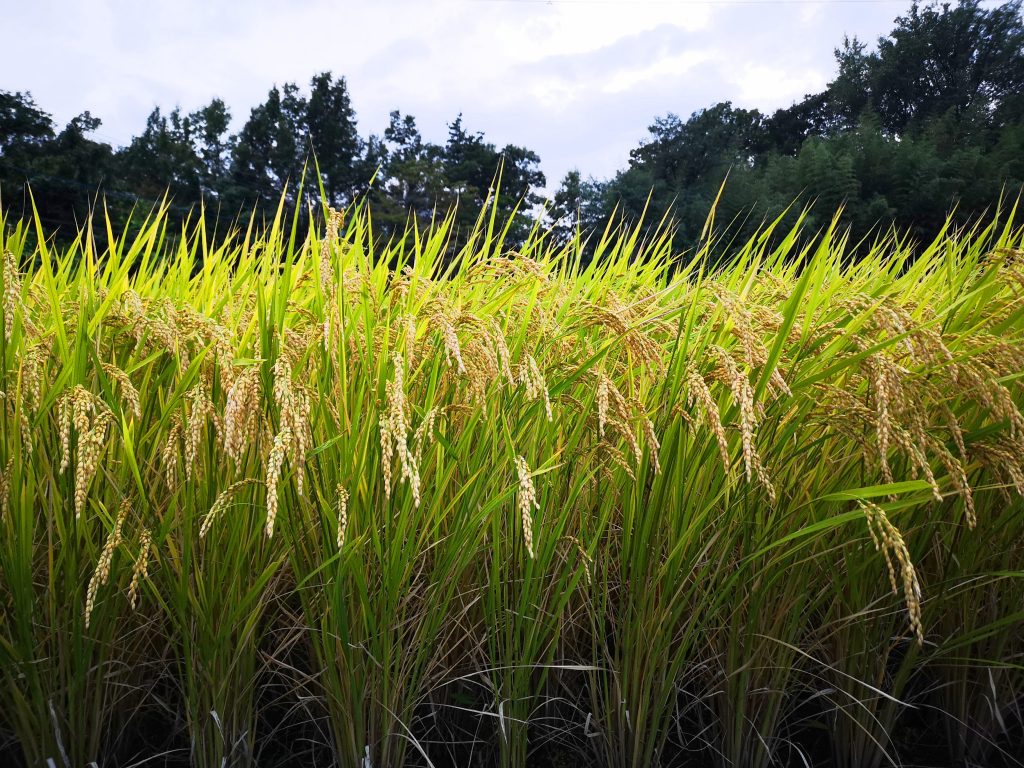
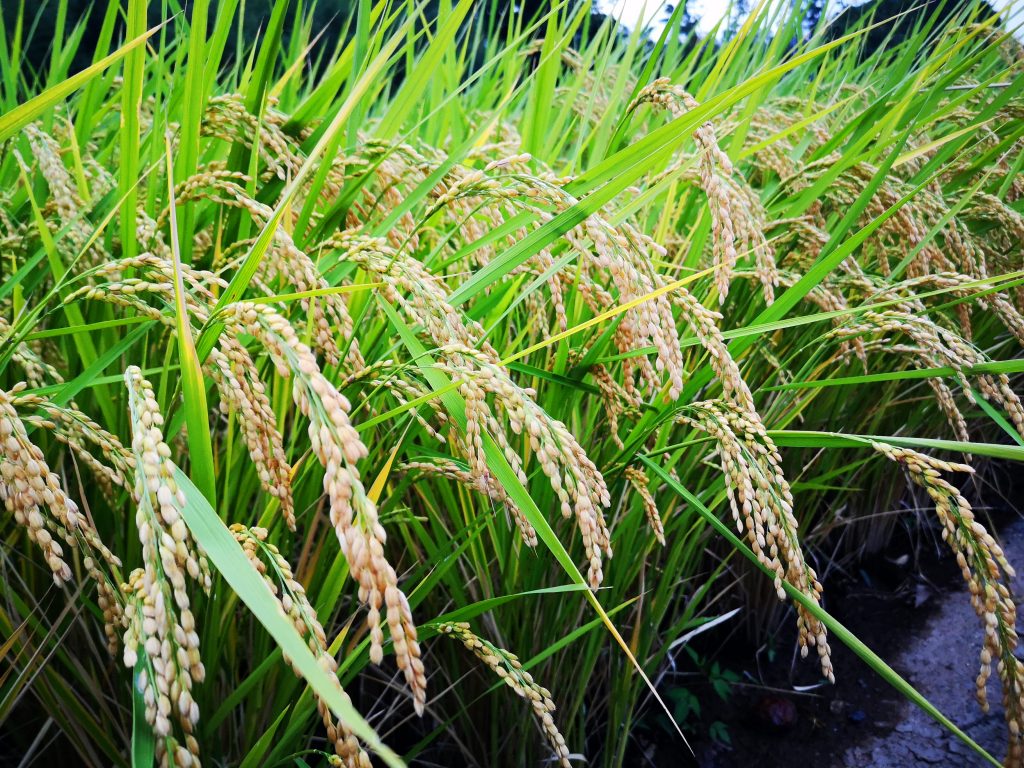
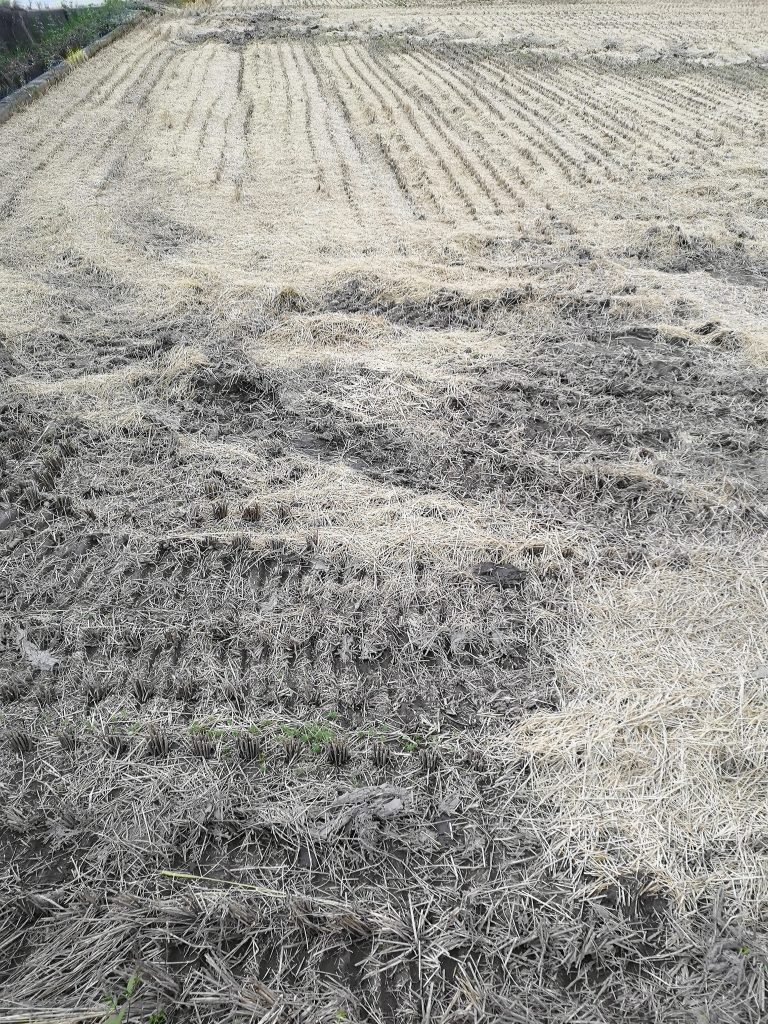
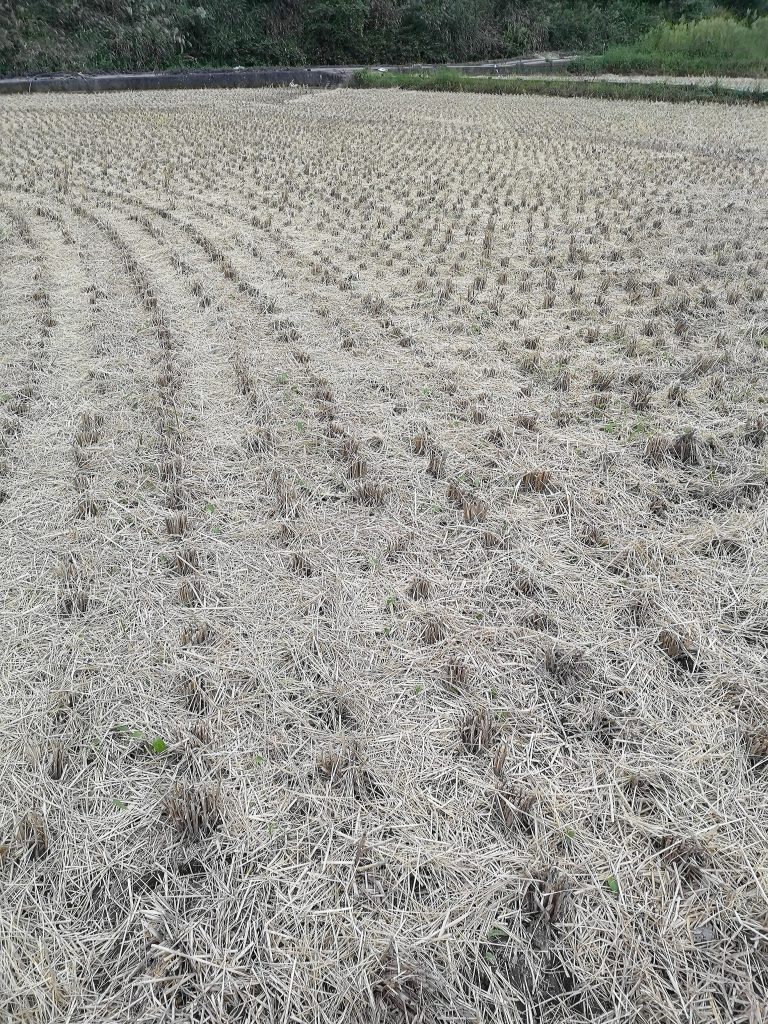
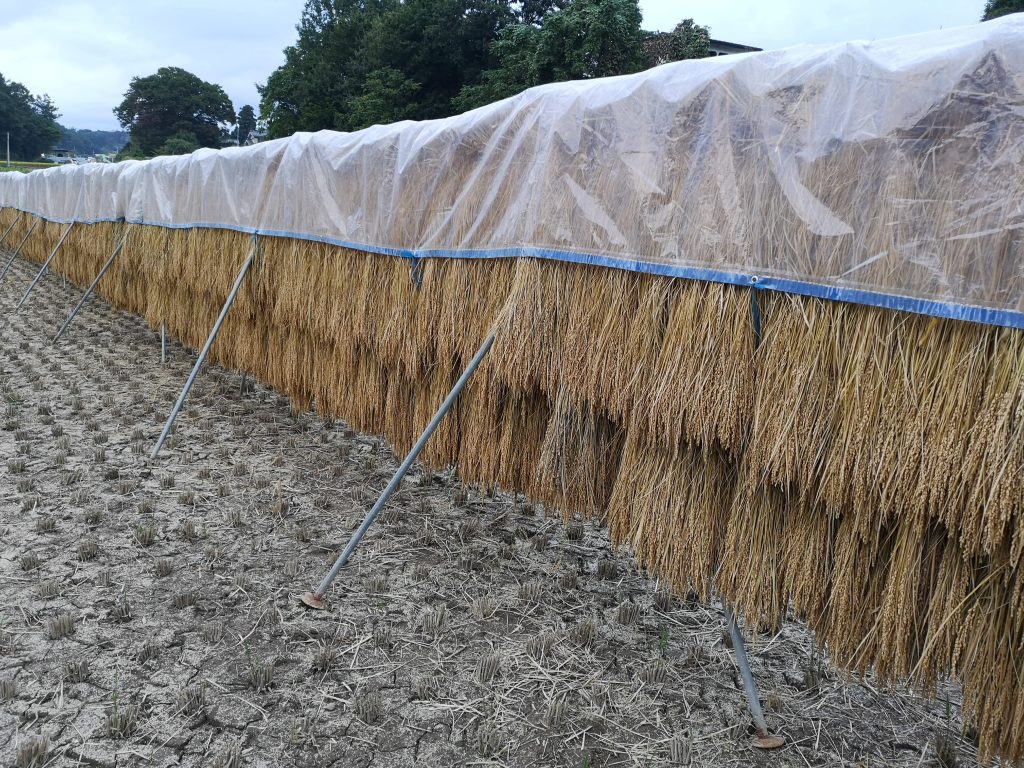
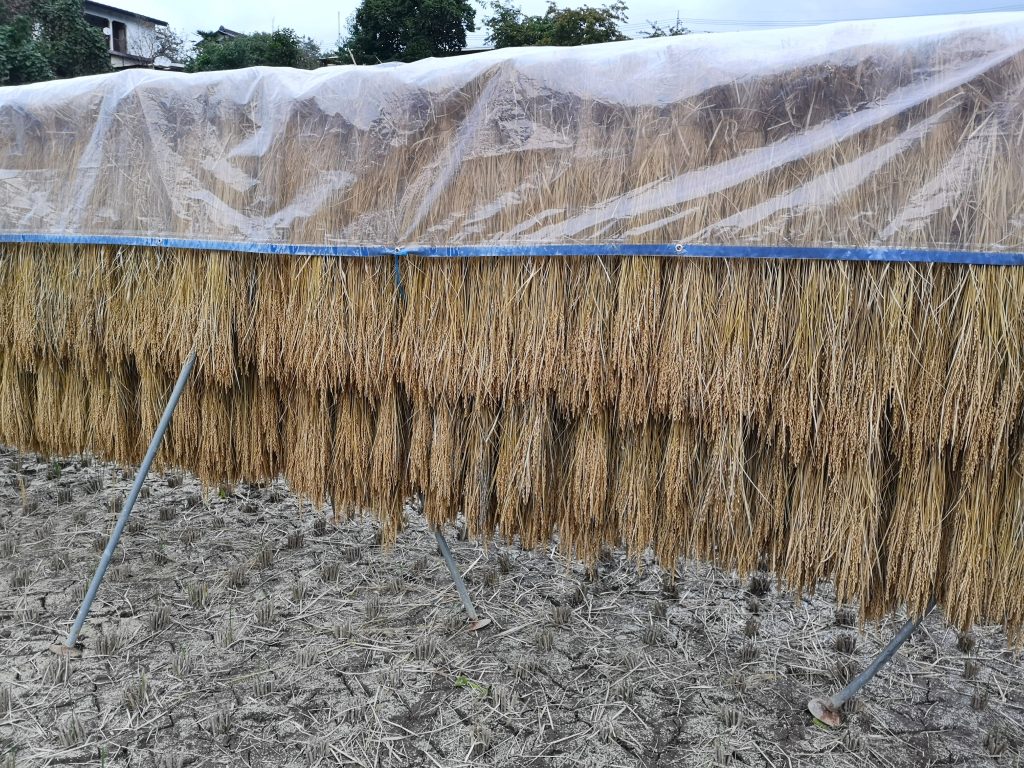
September is a busy month. September 1 was Disaster Prevention Day in Japan, 9/20 was the Harvest Moon, and 9/23 was the autumnal equinox day. Harvesting crops have begun. Most rice cultivars are ready for harvesting.

The rice may be consumed at home not for selling, said that naturally dried rice is a little tastier than machine dried.

Harvest Moon 8/15

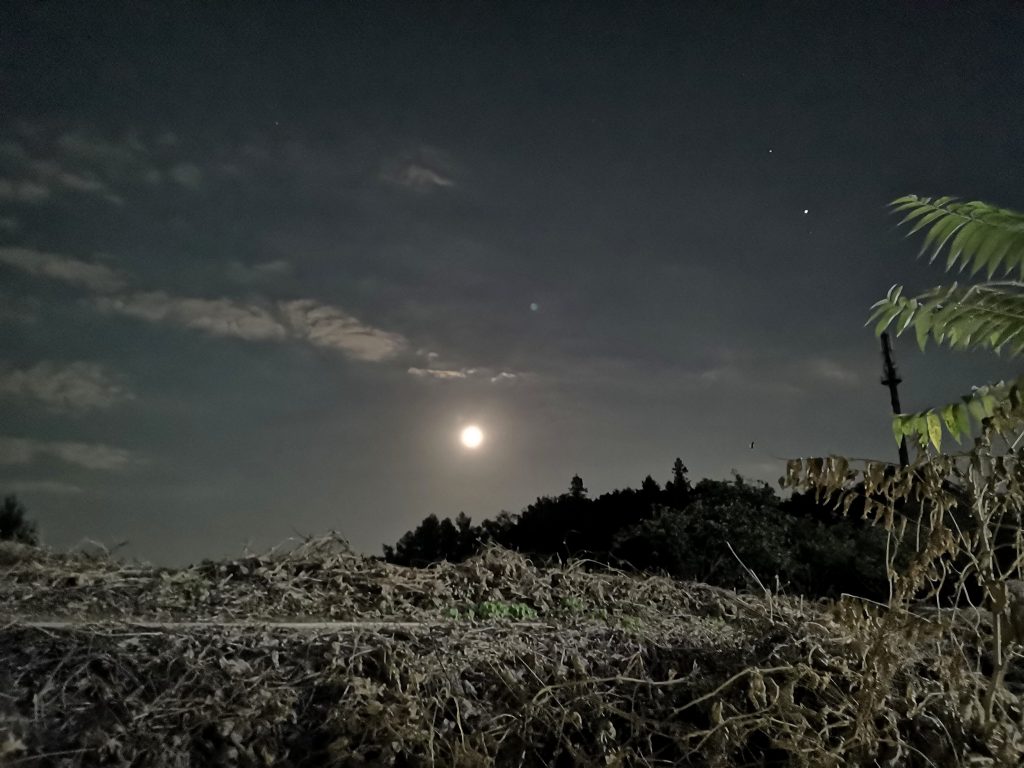
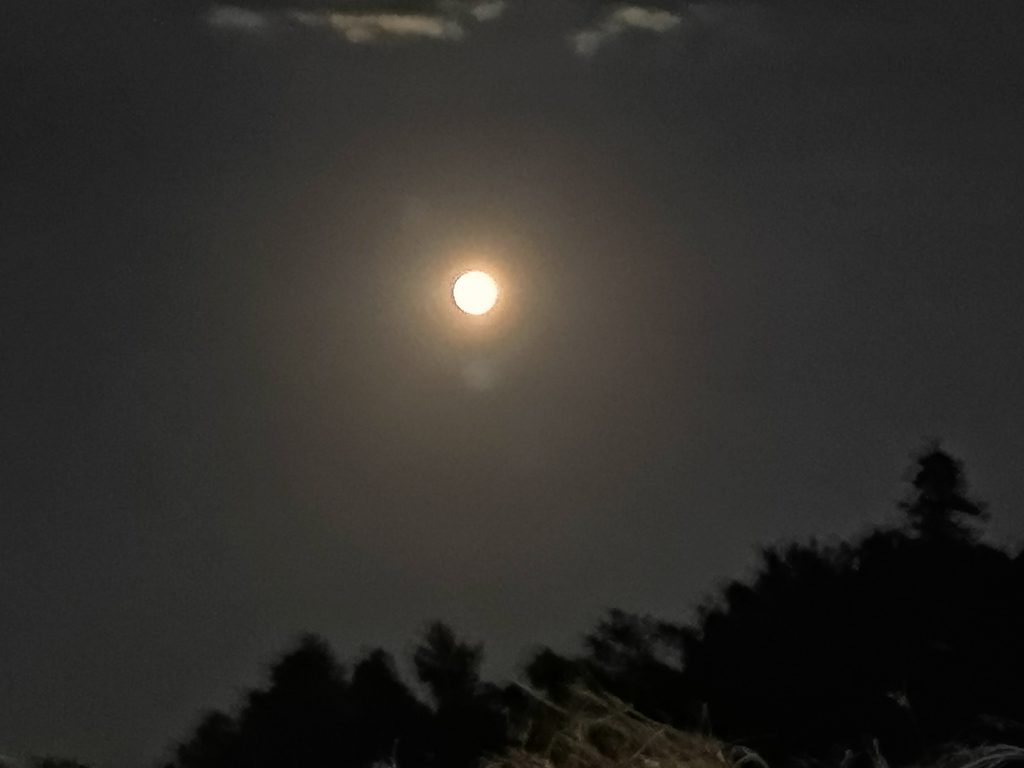
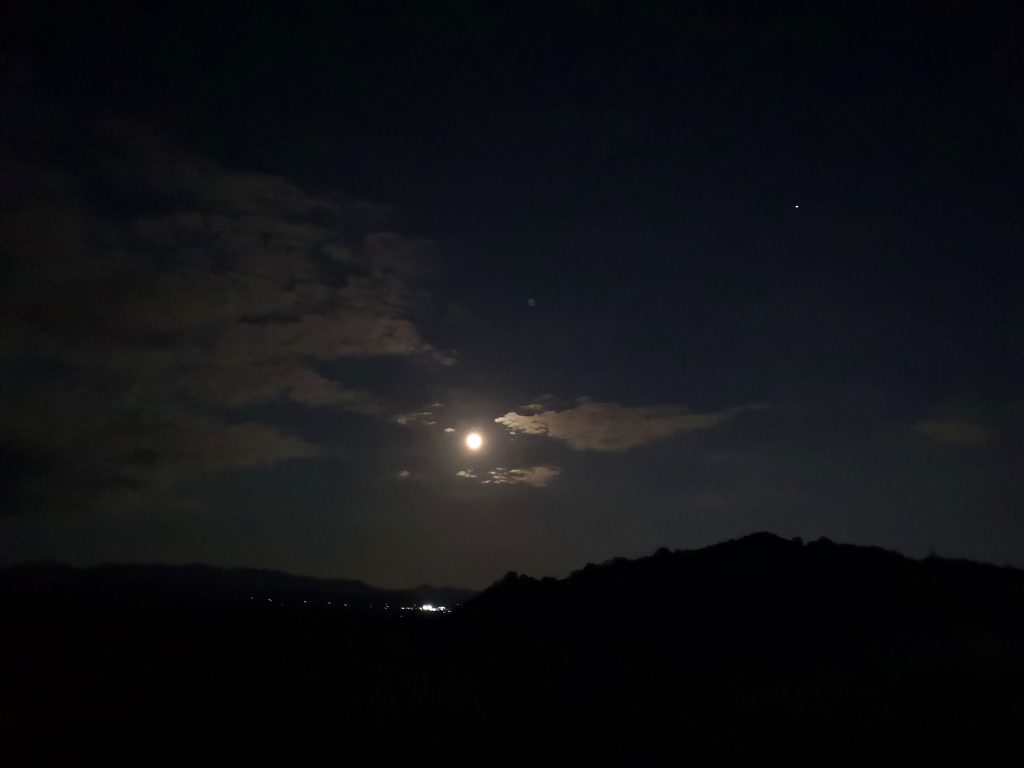
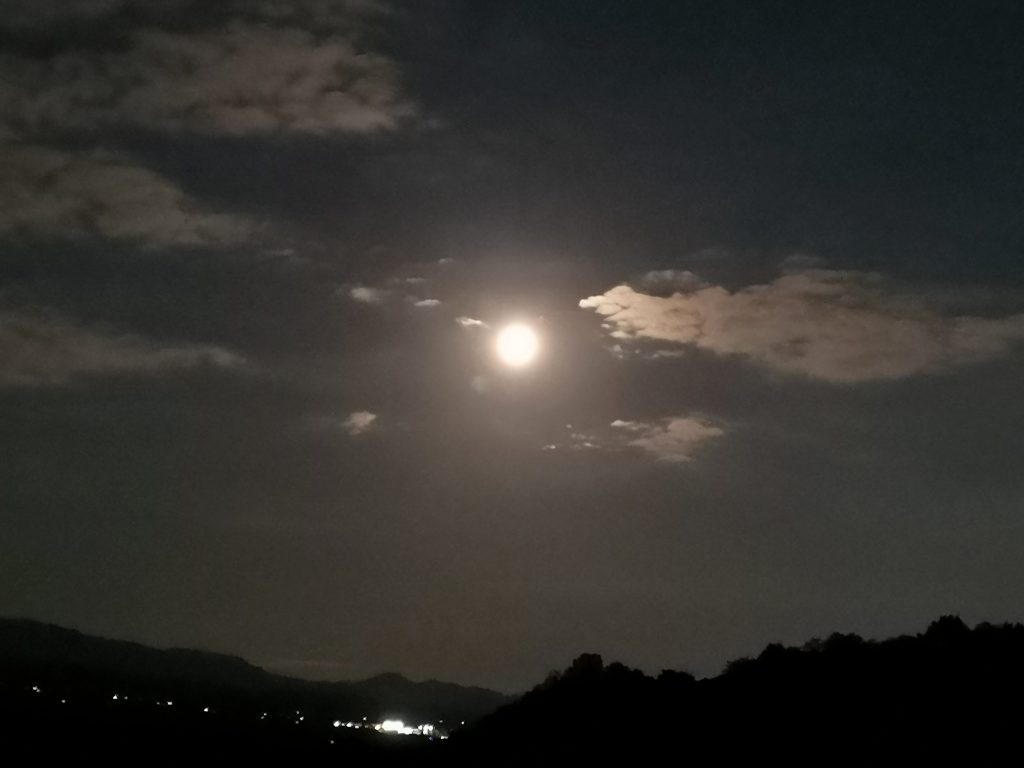
Tomorrow night on 9/21 is “Chushu no Meigetsu” (night of the Harvest Moon). August 15th of the lunar calendar is called “chushu” (mid-autumn) and a beautiful moon is called “meigetsu.” This year the full moon of September also carries the title of the Harvest Moon for the first time in eight years. Tonight it was relatively clear, so I took photos of the moon. Tomorrow night you might not see the moon around here.

Night views with the moon, Nirasaki, Yamanashi, 9/20/2021

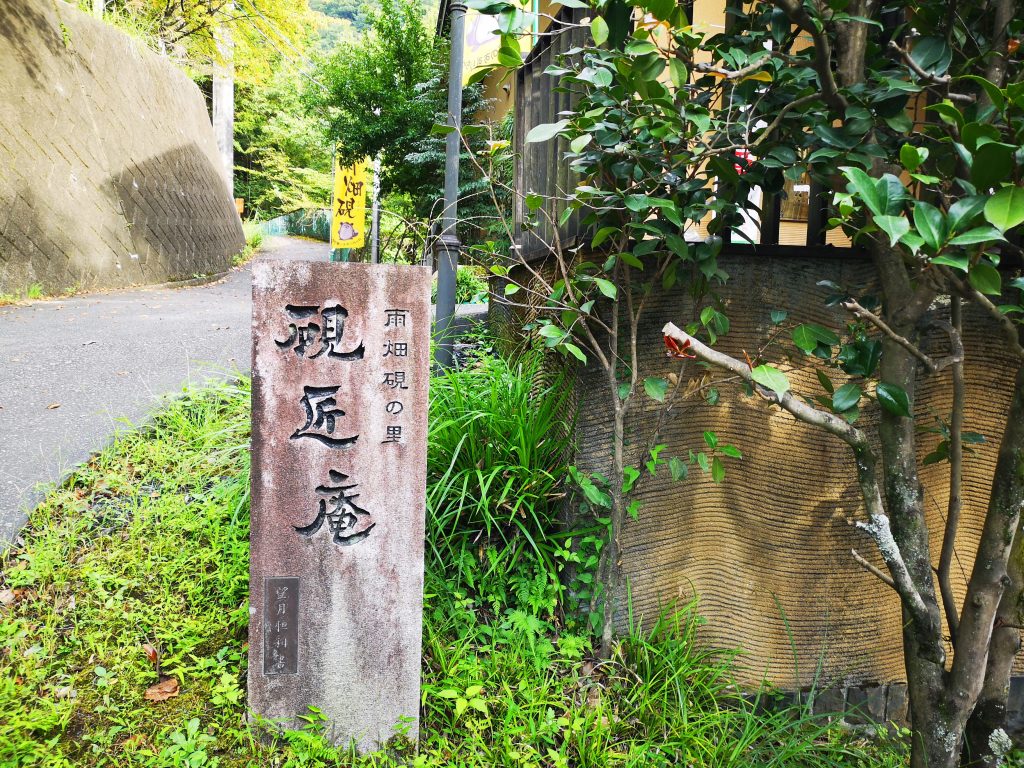
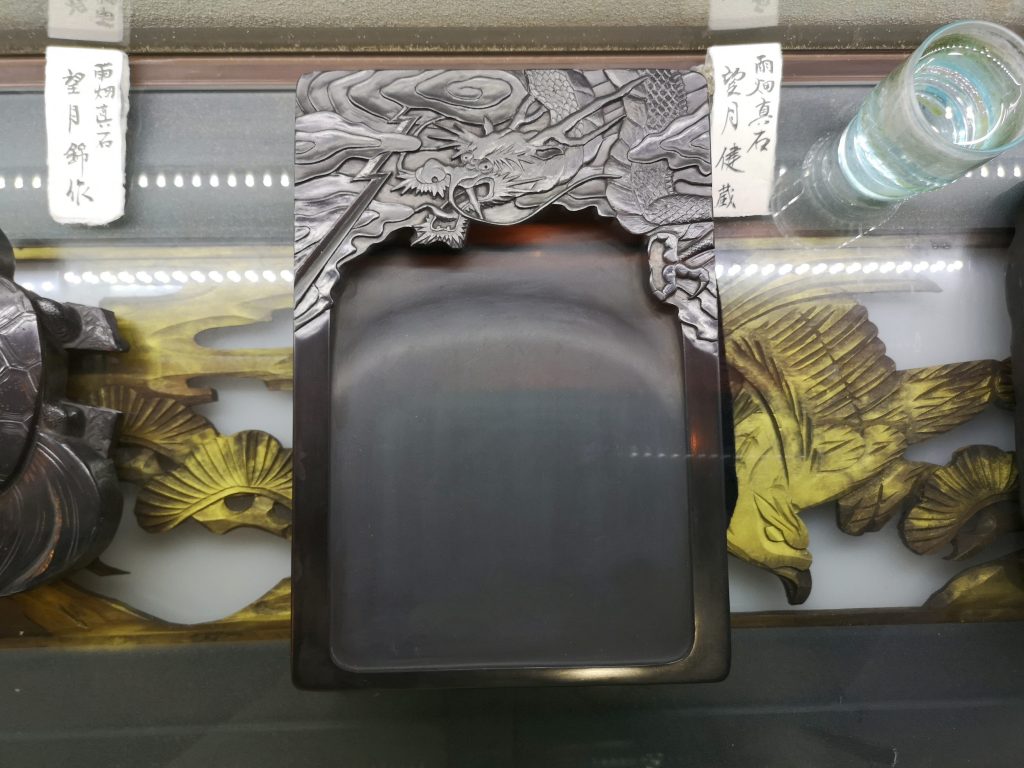
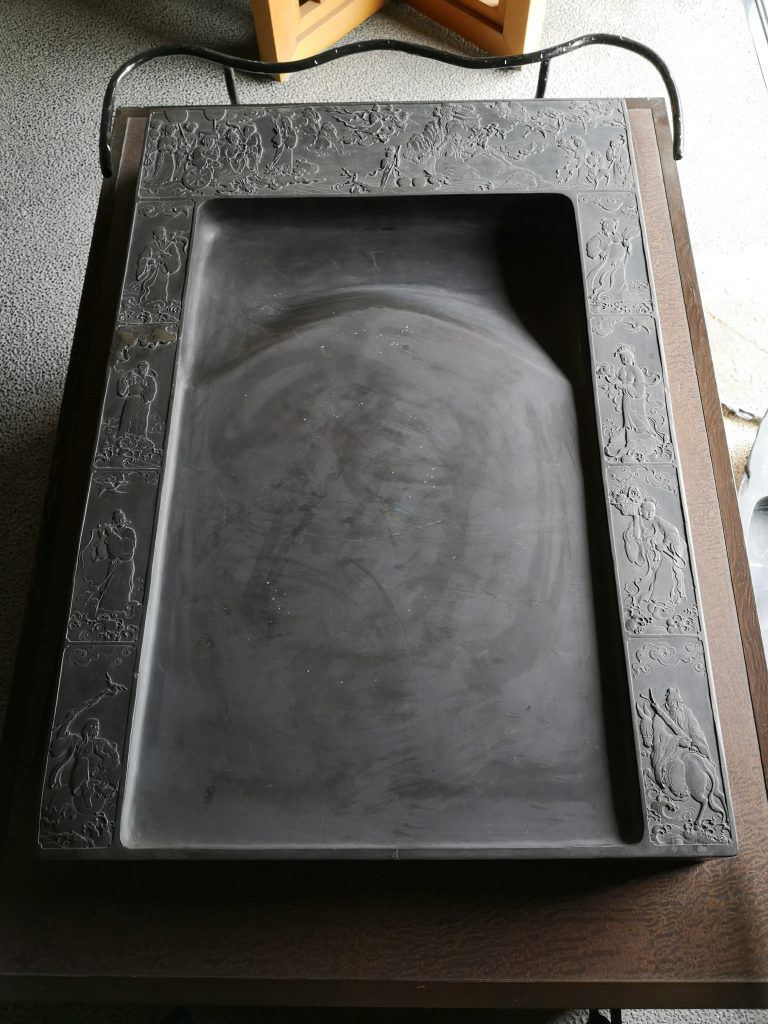
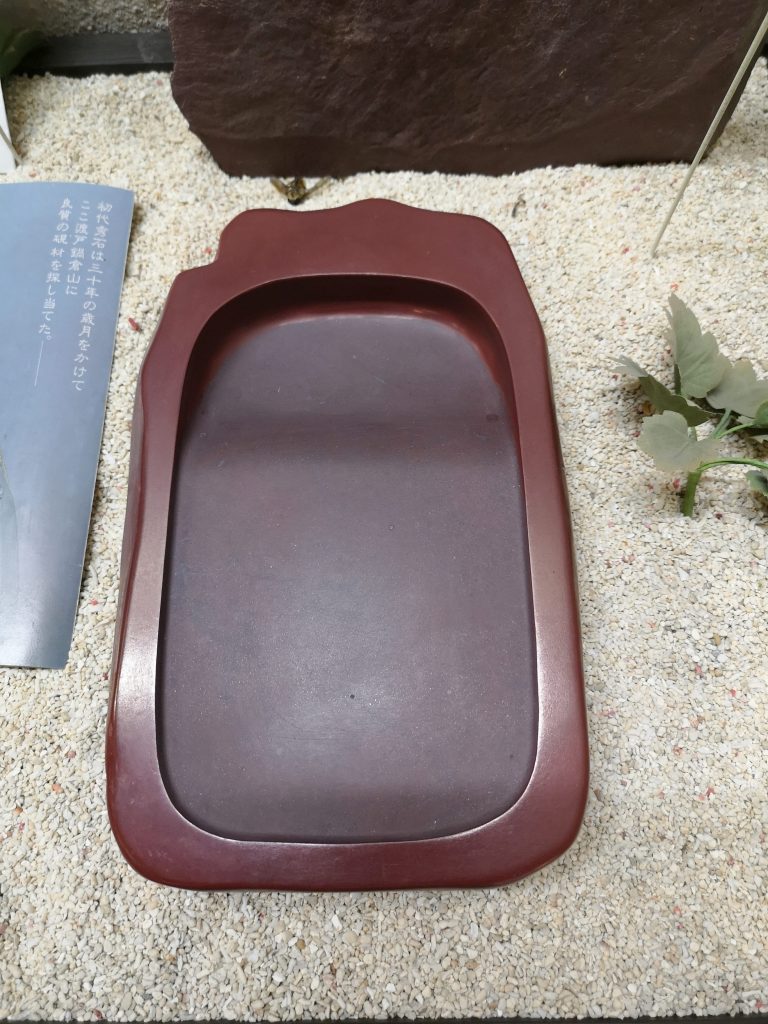
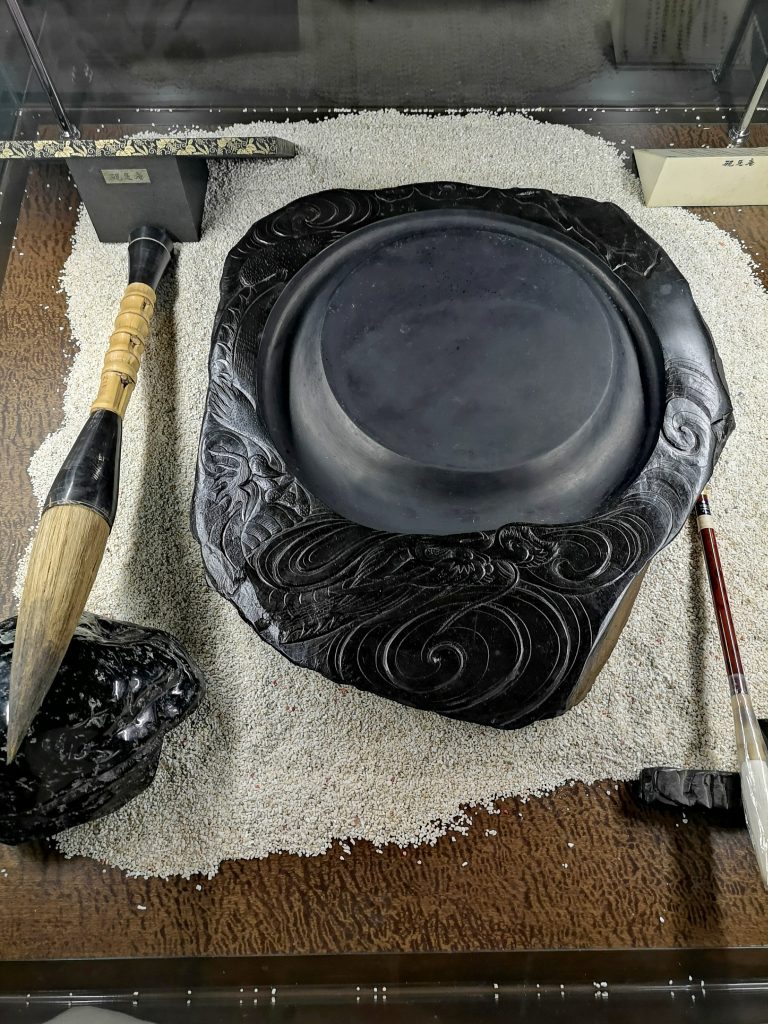
Ink-stone House Kenshoan _ Hayakawa-town

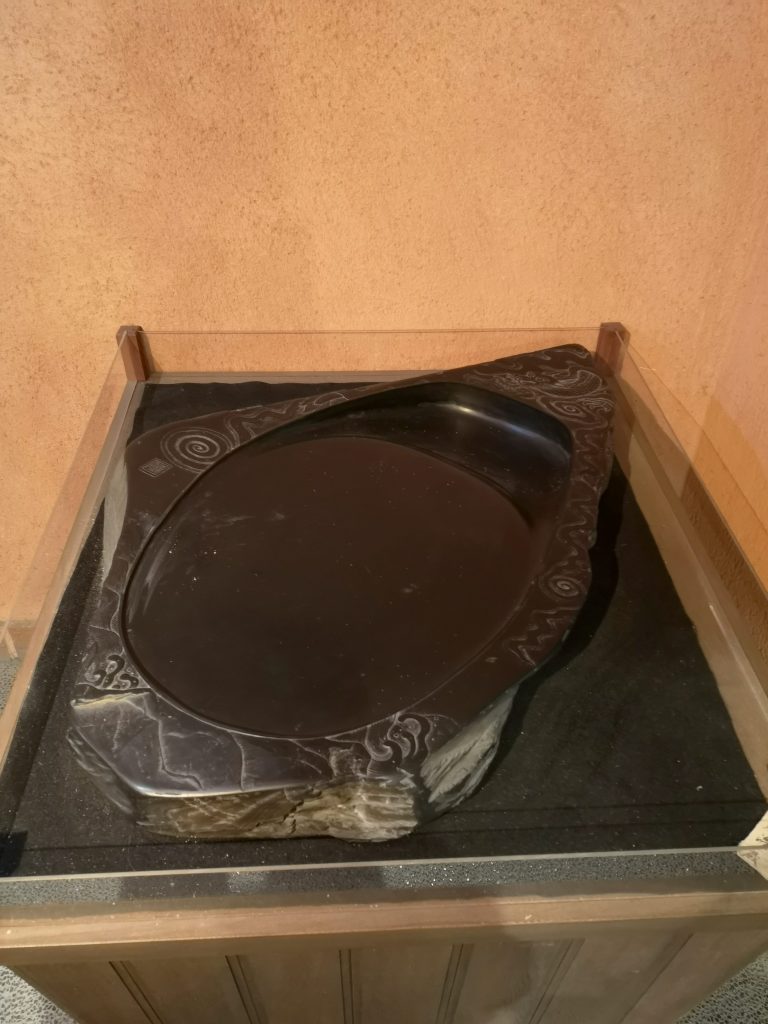
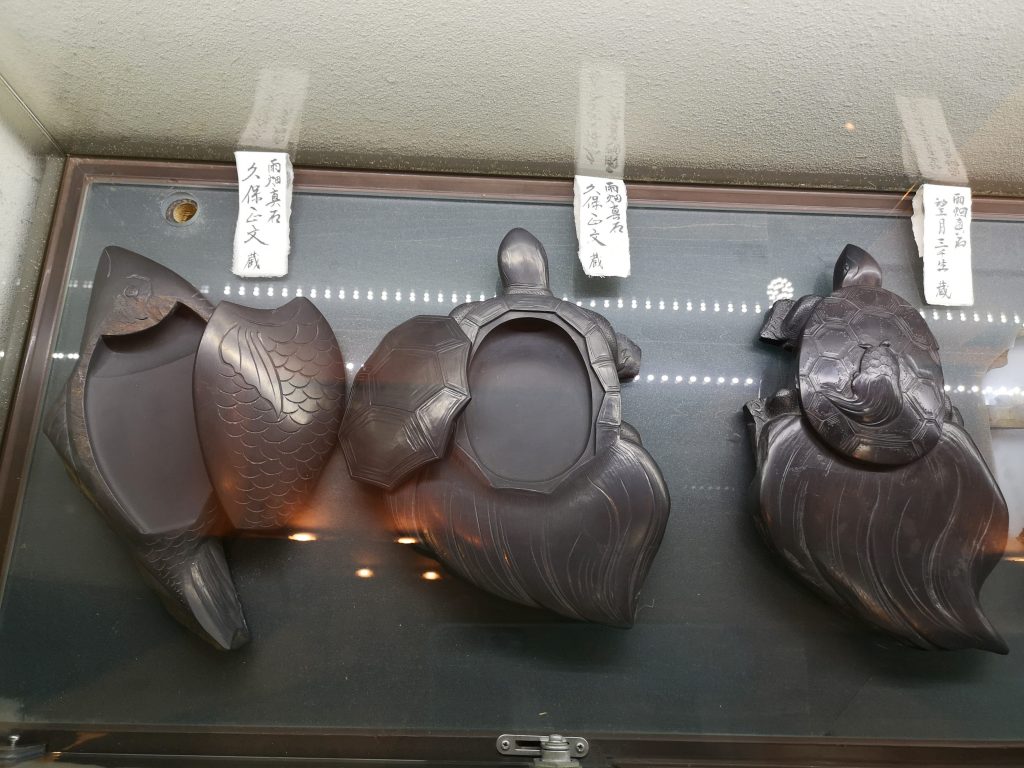
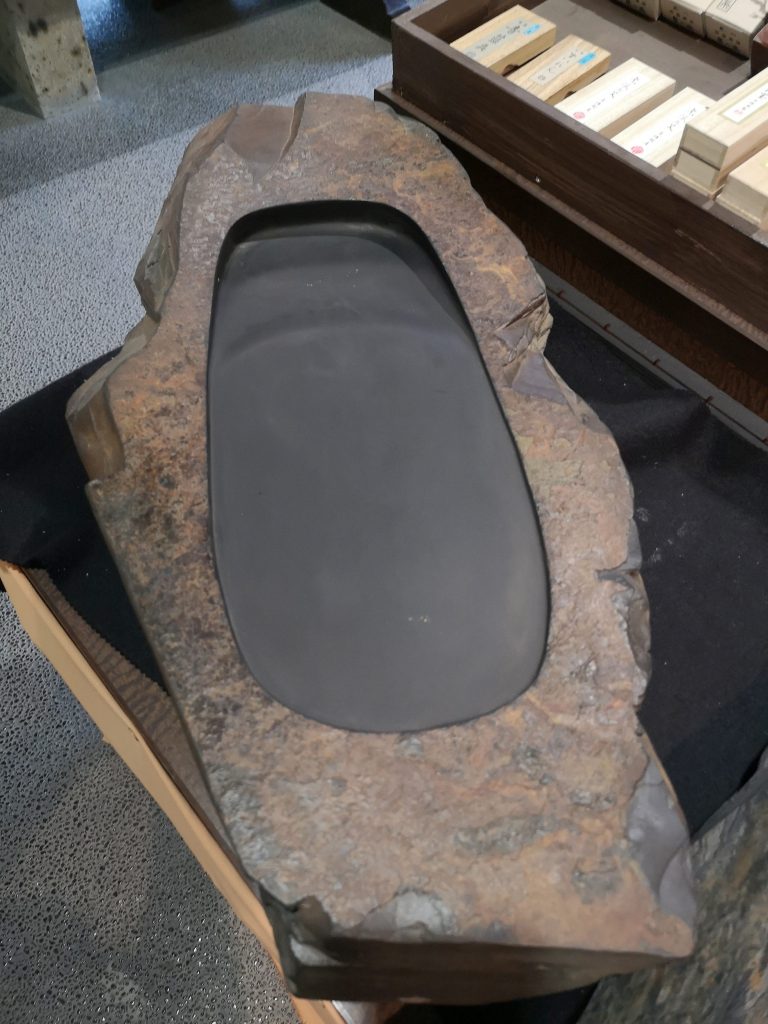
Amehata ink-stones are famous for its ink-stick rubbing feature, its water retaining capacity, its ink smoothness, and its lifelong durability (In Japanese, https://fm-hayakawa.com/422). The source rock for the Amehata ink-stones are collected in the Mount Inamata area in the Amehara River valley, located near the Itoigawa-Shizuoka Tectonic Line along the Hayakawa River valley, in the town of Hayakawa in Yamanashi Prefecture. From the study of the source rock and the shale collected from the two regions, Fukuchi. T. et al. concluded that the source rock should be called slate (Bulletin of the Faculty of Education, University of Yamanashi, vol. 29, 39-46, 2018).

Amehata ink-stones are a designated Traditional Arts and Crafts of Yamanashi (1994). In the flourishing days of the Meiji period, it is said that more than 1000 craftsmen resided in the Amehata area. However, during and after the Pacific War, the number drastically dropped. And now there is only one craftsman remained. Finding a successor is so hard. Furthermore, the area is very difficult to reach and seems hard to live.

Lake Naradako, Narada Hot Spring Area

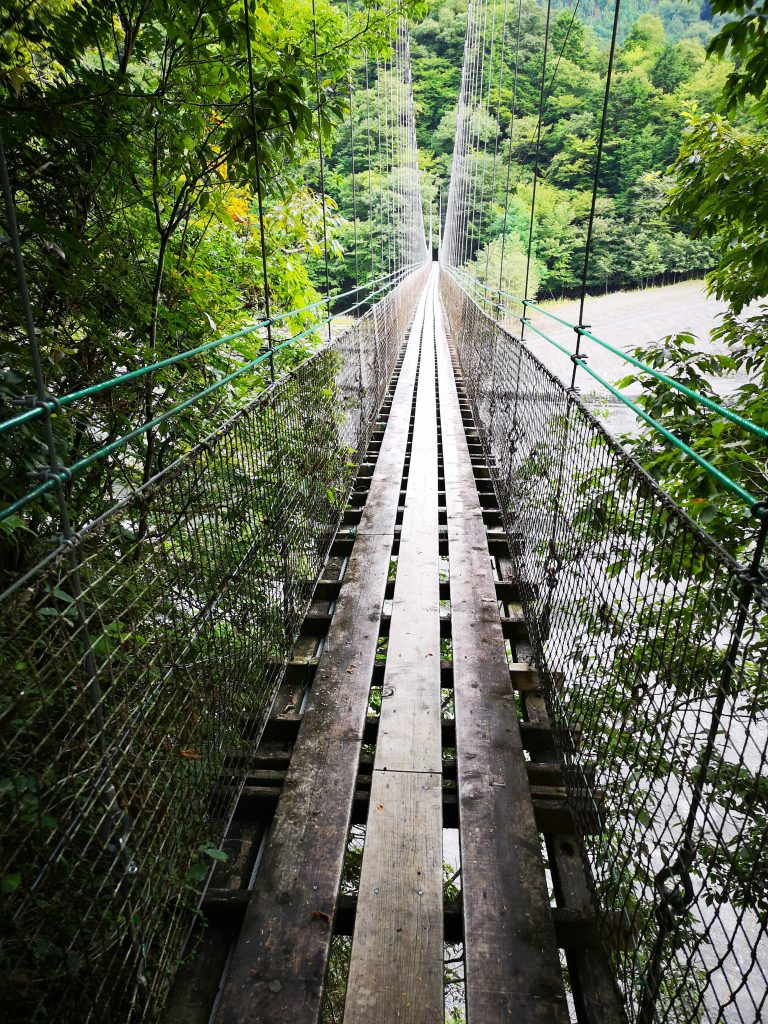
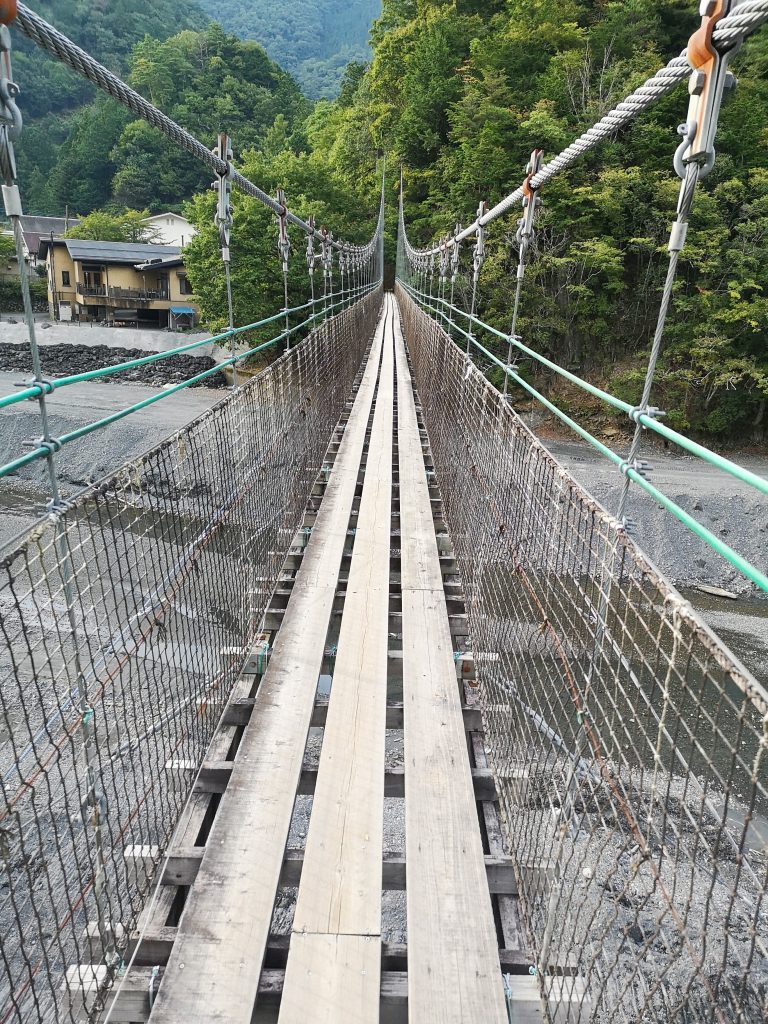
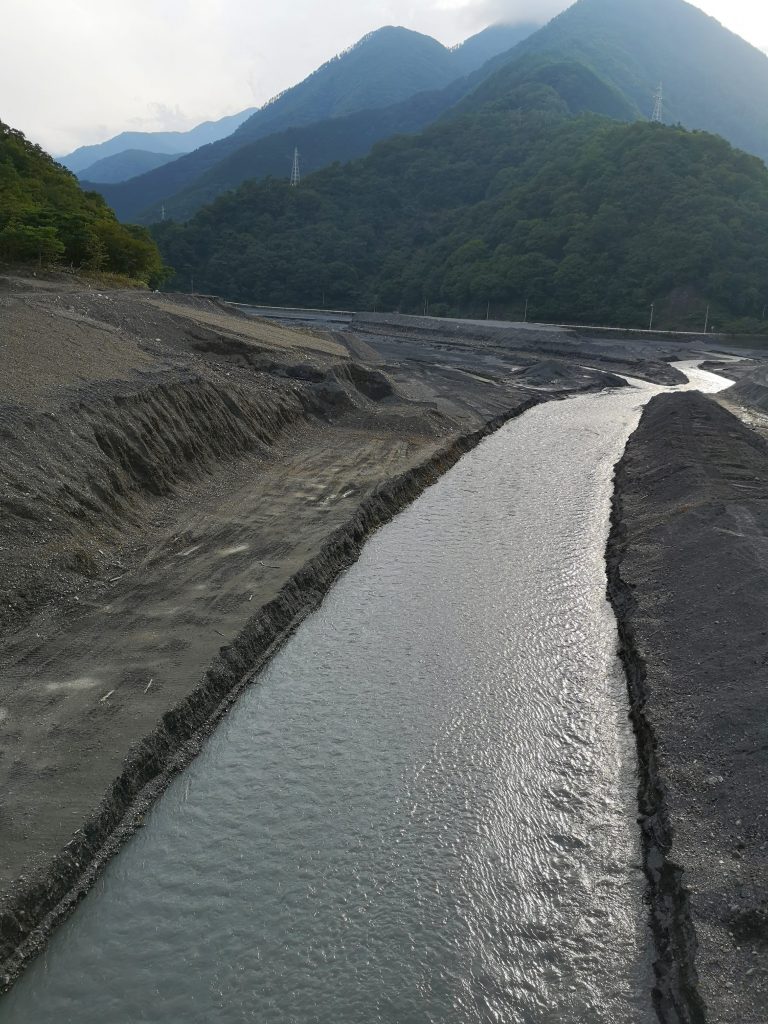
This area is a little more spacious than other regions of the Hayakawa River.

Narada, Hayakawa, Yamanashi, 9/11/2021